Quick Answer
Okay, so here's the quick version. You wanna finish your basement? You gotta solve the water problem first, or you're just throwing money down a drain. Nine times out of ten, the issue starts outside with bad grading or clogged gutters dumping water against your foundation. Fixing that is your first, best bet. For serious, persistent water intrusion, you'll likely need an interior drain tile system and a sump pump. That's typically a professional job, usually costing $5,000-$12,000+. Don't just slap paint on the walls and hope for the best. It never works long-term.
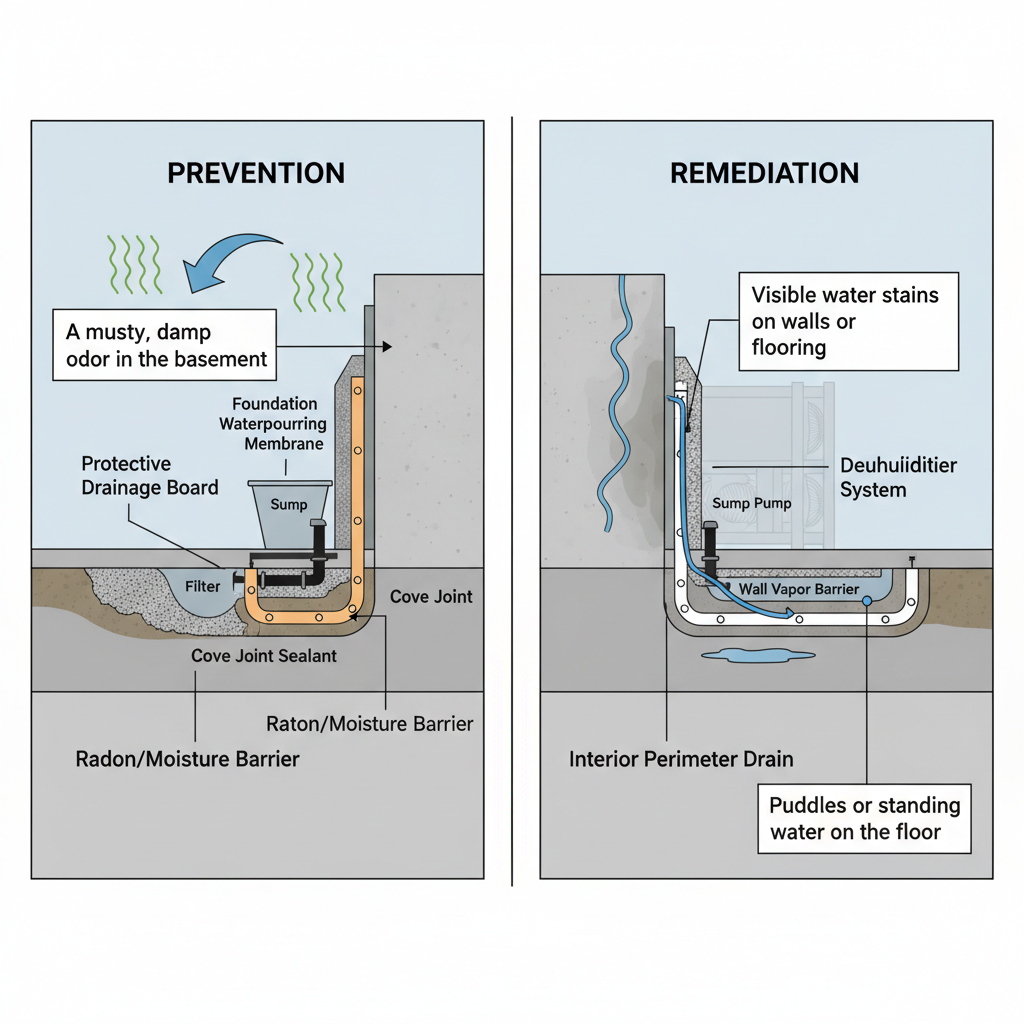
Common Symptoms
Possible Causes
Step-by-Step Diagnosis
Step 1
Perform an exterior inspection. Check the slope of the ground around the foundation and the termination point of all downspouts.
Step 2
Clean gutters to ensure they aren't overflowing during rain.
Step 3
Conduct a thorough interior inspection of basement walls and the floor for any cracks, stains, or efflorescence.
Step 4
Use a garden hose to systematically soak the ground outside problem areas to pinpoint the exact source of an active leak.
Step 5
Test the existing sump pump by pouring a few gallons of water into the pit to ensure it activates and drains properly.
Step 6
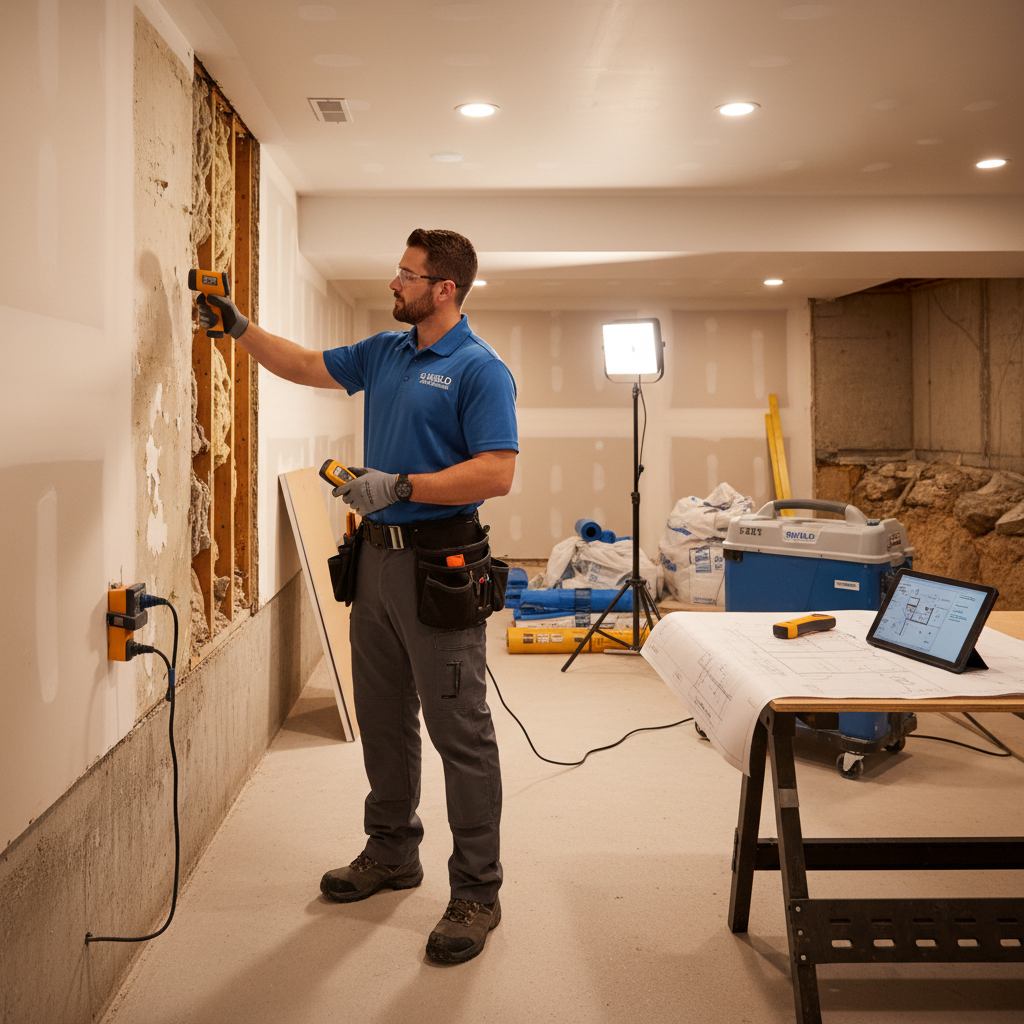
If you have finished walls, use a moisture meter to detect hidden moisture behind the drywall.
Step 7
For large or growing cracks, consider a professional foundation inspection to rule out structural issues.
DIY vs Professional Costs
| Repair Type | DIY Cost | Professional Cost | Time Required |
|---|---|---|---|
Gutter Cleaning & Extensions | $0 - $100 | $200 - $500 | 1-3 hours |
Minor Crack Sealing (Epoxy/Cement) | $20 - $150 | $300 - $1,000 | 2-4 hours |
Sump Pump Replacement | $200 - $600 | $600 - $1,500 | 3-6 hours |
Interior Drainage System Install | Not Recommended | $5,000 - $12,000+ | 3-5 days |
When to Call a Professional General Contractor
- You find large foundation cracks, especially horizontal or stair-step cracks, which indicate a potential structural issue.
- You have persistent water intrusion even after correcting gutter and grading problems.
- You can see or smell significant mold growth, which requires professional remediation.
- You're planning a basement remodel and want to protect your investment with a warranted system.
- Your sump pump repeatedly fails or can't keep up with the amount of water coming in.
- You are not confident you can identify the source of the water on your own.
Prevention Tips
- Maintain a proper grade around your foundation, ensuring soil slopes away from the house.
- Regularly clean your gutters and use downspout extensions to discharge water at least 5-10 feet from the foundation.
- Install a high-quality sump pump with a reliable battery backup system.
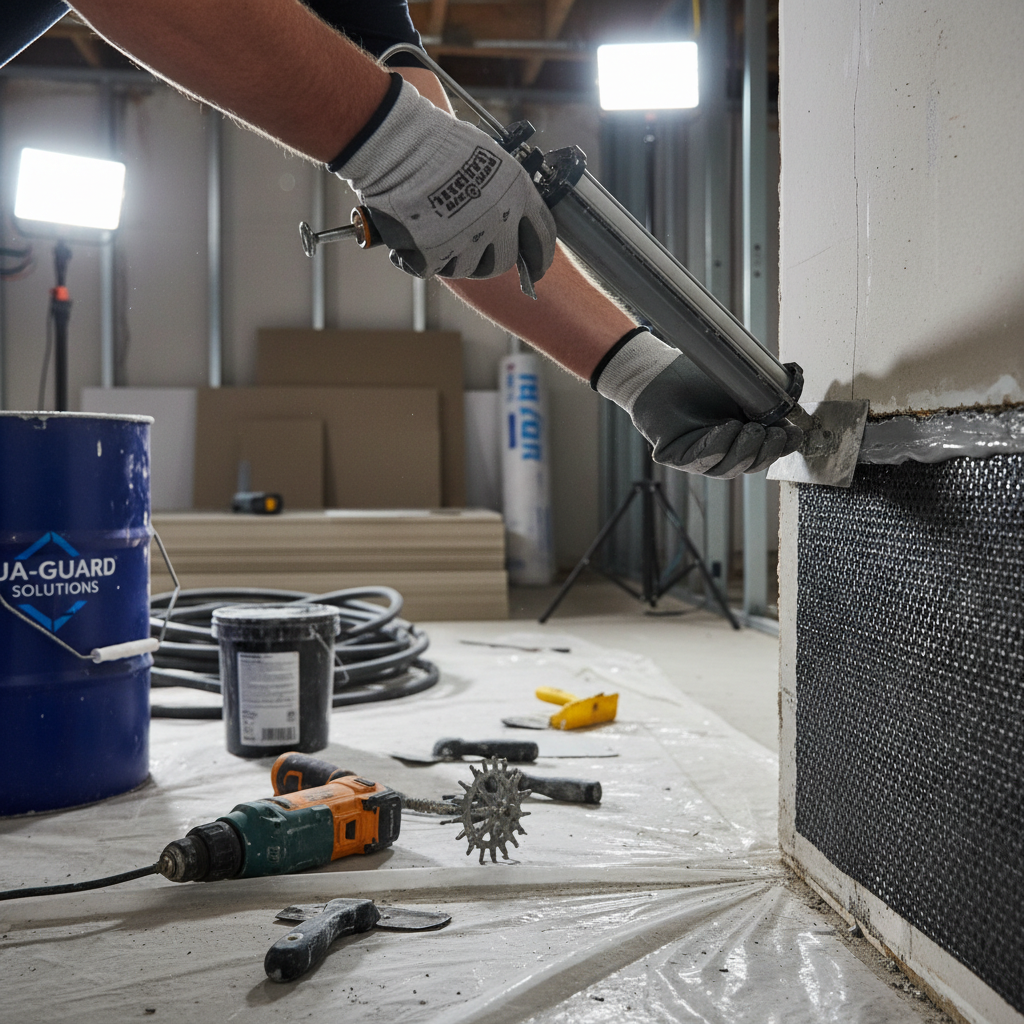
- Seal any small, non-structural foundation cracks as soon as they appear.
- Use a dehumidifier to control ambient moisture and humidity levels in the basement.
- Keep window wells free of leaves and debris and consider installing covers.
Frequently Asked Questions
Related Guides
Finding a Good Contractor That Won't Rip You Off (Troubleshooting & Fixes)
Learn how to find, vet, and hire a reliable general contractor for your home renovation project. Avoid scams and ensure quality work with our step-by-step guide.
Resolving Disputes with a General Contractor: A Homeowner's Troubleshooting Guide
Resolve disputes with your general contractor effectively. Learn how to address poor work quality, project delays, cost overruns, and communication breakdowns with our practical guide for homeowners. Protect your investment.
Deck Permit Requirements: Avoid Fines & Build Confidently (Troubleshooting & Fixes)
Wondering if you need a permit to build a deck? A veteran contractor explains the messy world of deck permits, how to figure out what you need, and how to avoid fines.
Basement Waterproofing During a Remodel (Troubleshooting & Fixes)
A veteran contractor's guide to fixing a wet basement during a remodel. Learn how to stop water intrusion, fix damage, and waterproof for good.
Top Questions to Ask a General Contractor: Your Essential Hiring Guide
Comprehensive guide to choosing a general contractor. Learn essential questions to ask about licensing, insurance, experience, communication, project management, and contracts to ensure a successful home renovation and avoid common pitfalls and scams. Hire with confidence.
Hiring a General Contractor: A Vet's No-Nonsense Checklist (Troubleshooting & Fixes)
A veteran tech's guide to hiring a general contractor. Skip the nightmares by using this checklist to vet licenses, insurance, references, and contracts.
Need Professional Help?
Find top-rated general contractor experts in your area