Quick Answer
null
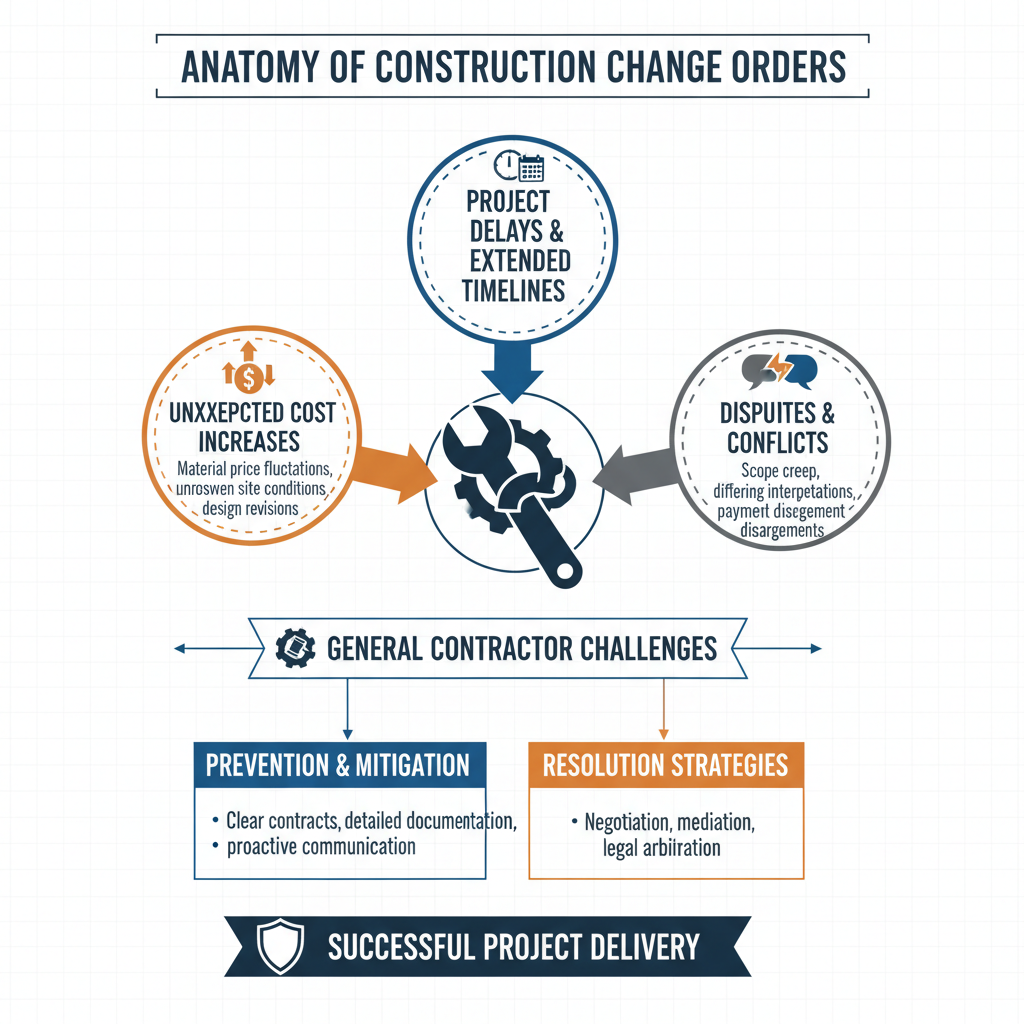
Common Symptoms
Possible Causes
Step-by-Step Diagnosis
Step 1
First, grab your original construction contract and read the section on change orders to understand the agreed-upon process.
Step 2
Pinpoint the exact task or item that's being changed. Compare it to the original scope of work to confirm it's truly a change.
Step 3
Figure out who or what caused the change – was it your request, an unforeseen site issue, or a contractor suggestion?
Step 4
Get a detailed written proposal for the change. It must include a cost breakdown for materials and labor and state the impact on the project schedule.
Step 5
Ask the contractor to explain why the change is necessary and if any less expensive alternatives exist.
Step 6
If the change is technically complex or the cost seems way out of line, consider paying a neutral third-party consultant for a second opinion before you sign anything.

DIY vs Professional Costs
| Repair Type | DIY Cost | Professional Cost | Time Required |
|---|---|---|---|
Carefully reviewing and questioning change order proposals | $0 | N/A | 1-2 hours |
Negotiating specific terms and costs of a change order | $0 | N/A | 1-3 hours |
Documenting all communications and decisions in writing | $0 | N/A | Ongoing |
Hiring a construction consultant to review a change order | N/A | $150-400 per hour | 2-5 hours |
Mediation or legal services for a major dispute | N/A | $2,000-10,000+ | Days to Weeks |
When to Call a Professional General Contractor
- When a change order is so large it fundamentally alters the project's budget or scope without a clear and compelling reason.
- When you and the contractor are at a complete standstill and can no longer have a productive conversation about the issue.
- If you have a strong suspicion the change order is fraudulent, padded, or is an attempt to make you pay for the contractor's error.
- If the contractor flat-out refuses to provide a detailed, written change order document that includes cost and schedule impacts.
Prevention Tips
- Insist on an extremely detailed initial contract that specifies materials, brands, and includes a clear process for handling change orders.
- Create a contingency fund of at least 10-20% of the total project cost specifically for unforeseen issues.
- Communicate constantly with your contractor and document every single decision, no matter how small, in an email or text.
- Never, ever agree to a change verbally. If it isn't in writing, it didn't happen.

Frequently Asked Questions
Related Guides
Unexpected renovation expenses and project delays: contingency planning and mitigation strategies Troubleshooting & Fixes
Basement Waterproofing During a Remodel (Troubleshooting & Fixes)
A veteran contractor's guide to fixing a wet basement during a remodel. Learn how to stop water intrusion, fix damage, and waterproof for good.
Homeowners need to ask the right questions during a general contractor interview to ensure a successful project and avoid potential issues. Troubleshooting & Fixes
Preparing Your Home for a Major Renovation (Troubleshooting & Fixes)
A veteran contractor's guide to preparing for a home renovation. Learn how to budget, hire, and plan to avoid delays and cost overruns. Real advice.
How to Choose Sustainable and Eco-Friendly Renovation Materials (A Pro's Guide)
A veteran contractor's guide to choosing sustainable renovation materials. Learn how to spot 'greenwashing,' find truly eco-friendly options, and fix your home right.
Change Orders Driving You Nuts? A Contractor's Guide to Understanding & Managing Them (2024)
A veteran contractor's no-nonsense guide to construction change orders. Learn why they happen, how to fight unfair costs, and when to call in the pros.
Need Professional Help?
Find top-rated general contractor experts in your area