Quick Answer
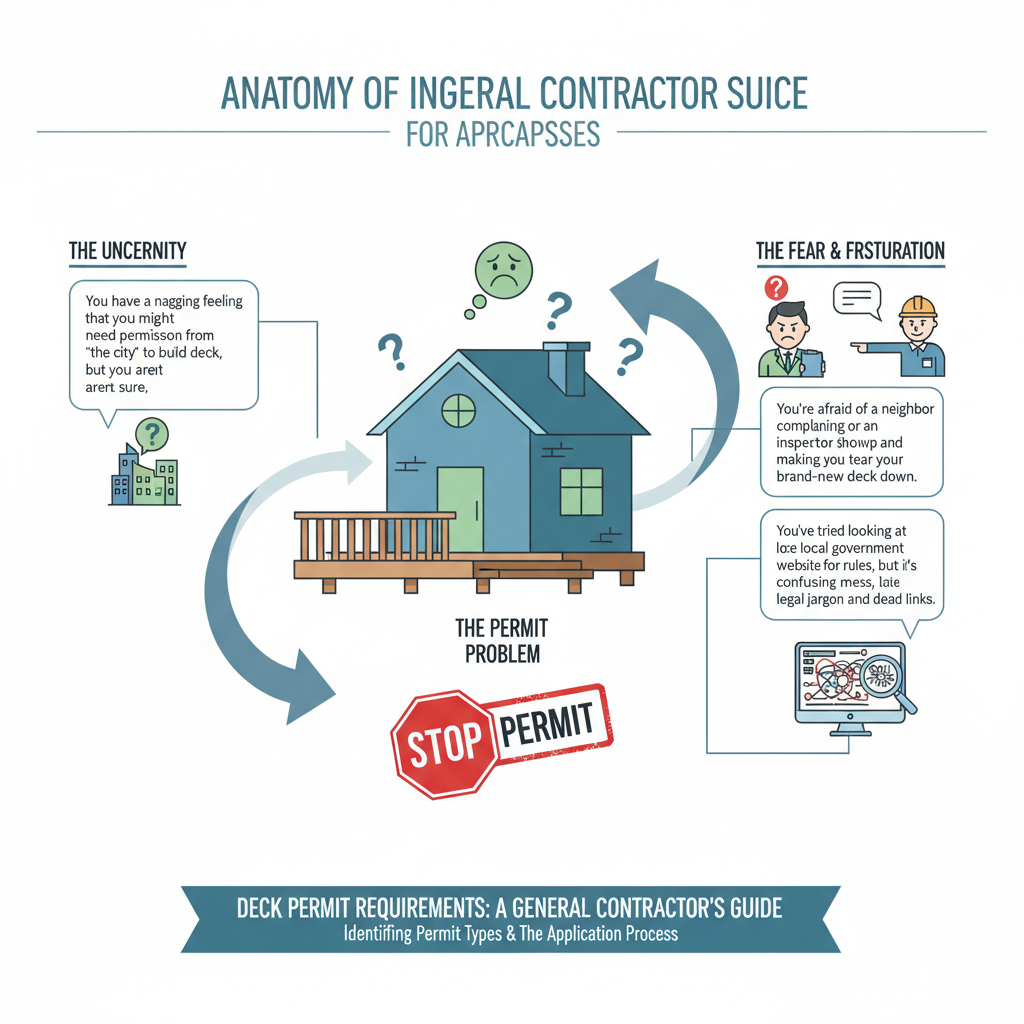
Okay, so here's the quick and dirty on deck permits. Nine times out of ten, you're gonna need one. It's a pain, I know. The big triggers are usually if the deck is attached to your house or if it's more than 30 inches off the ground. The only way to know for sure is to call your local city or county building department. Don't guess. The permit fee itself might be $100-$500, but if you need an architect for plans, you could be looking at a lot more. Trying to skip it is a recipe for disaster.
Common Symptoms
Possible Causes
Step-by-Step Diagnosis
Step 1
First, figure out exactly which jurisdiction you're in. Look at a property tax bill to see if you're governed by the city or the county. This is who you have to talk to.
Step 2
Go to that jurisdiction's website and look for the 'Building Department,' 'Code Enforcement,' or 'Permitting' section. Be prepared for the website to be terrible.
Step 3
Search the site for any documents specifically about residential decks, patios, or homeowner construction guides. These often give you the rules in plain English.
Step 4
If you can't find a clear answer, pick up the phone and call them. Be polite, give them your address, and ask, 'I'm planning to build a deck, can you help me understand the permit requirements?'
Step 5
Ask specifically about height and size limits for un-permitted decks, and what kind of drawings (hand-drawn vs. architect) are required if you do need a permit.
Step 6
Get them to send you a checklist or application packet. This will list everything you need to submit, from site plans to structural details.
DIY vs Professional Costs
| Repair Type | DIY Cost | Professional Cost | Time Required |
|---|---|---|---|
Permit Research & Basic Plan Drawing | $0 - $50 | $250 - $750 | 4-10 hours |
Architectural/Engineered Drawings | N/A | $750 - $4,000+ | 1-3 weeks |
Permit Application & Municipal Fees | $100 - $500+ | $100 - $500+ (plus contractor markup) | Varies Wildly |
When to Call a Professional General Contractor
- If your local building department tells you that you need architectural or engineered drawings with a professional stamp.
- If your proposed deck is complex, such as being multi-level, attached to the second story, or built on a very steep slope.
- If you're completely lost after trying to research the local codes and regulations. A good local contractor already knows the rules and has relationships with the inspectors.
- If you simply don't have the time or patience to deal with the paperwork, phone calls, and bureaucracy involved in the permit process.
Prevention Tips
- Before you buy a single board or even finalize your design, call your local building department. This one 10-minute call can save you thousands of dollars and weeks of headaches.
- Get a copy of your property survey so you know exactly where your property lines are. Building even a few inches into a required setback can force you to tear down your work.
- If you decide to hire a contractor, make sure your contract explicitly states that they are responsible for obtaining all necessary permits and scheduling all required inspections.
- When designing your deck, consider keeping it simple if you want to avoid the worst of the permit process. A low-profile, unconnected 'floating' deck is far less likely to need extensive plans and permits than a tall, attached one.
Frequently Asked Questions
Related Guides
Finding a Good Contractor That Won't Rip You Off (Troubleshooting & Fixes)
Learn how to find, vet, and hire a reliable general contractor for your home renovation project. Avoid scams and ensure quality work with our step-by-step guide.
Resolving Disputes with a General Contractor: A Homeowner's Troubleshooting Guide
Resolve disputes with your general contractor effectively. Learn how to address poor work quality, project delays, cost overruns, and communication breakdowns with our practical guide for homeowners. Protect your investment.
Deck Permit Requirements: Avoid Fines & Build Confidently (Troubleshooting & Fixes)
Wondering if you need a permit to build a deck? A veteran contractor explains the messy world of deck permits, how to figure out what you need, and how to avoid fines.
Basement Waterproofing During a Remodel (Troubleshooting & Fixes)
A veteran contractor's guide to fixing a wet basement during a remodel. Learn how to stop water intrusion, fix damage, and waterproof for good.
Top Questions to Ask a General Contractor: Your Essential Hiring Guide
Comprehensive guide to choosing a general contractor. Learn essential questions to ask about licensing, insurance, experience, communication, project management, and contracts to ensure a successful home renovation and avoid common pitfalls and scams. Hire with confidence.
Hiring a General Contractor: A Vet's No-Nonsense Checklist (Troubleshooting & Fixes)
A veteran tech's guide to hiring a general contractor. Skip the nightmares by using this checklist to vet licenses, insurance, references, and contracts.
Need Professional Help?
Find top-rated general contractor experts in your area