Quick Answer
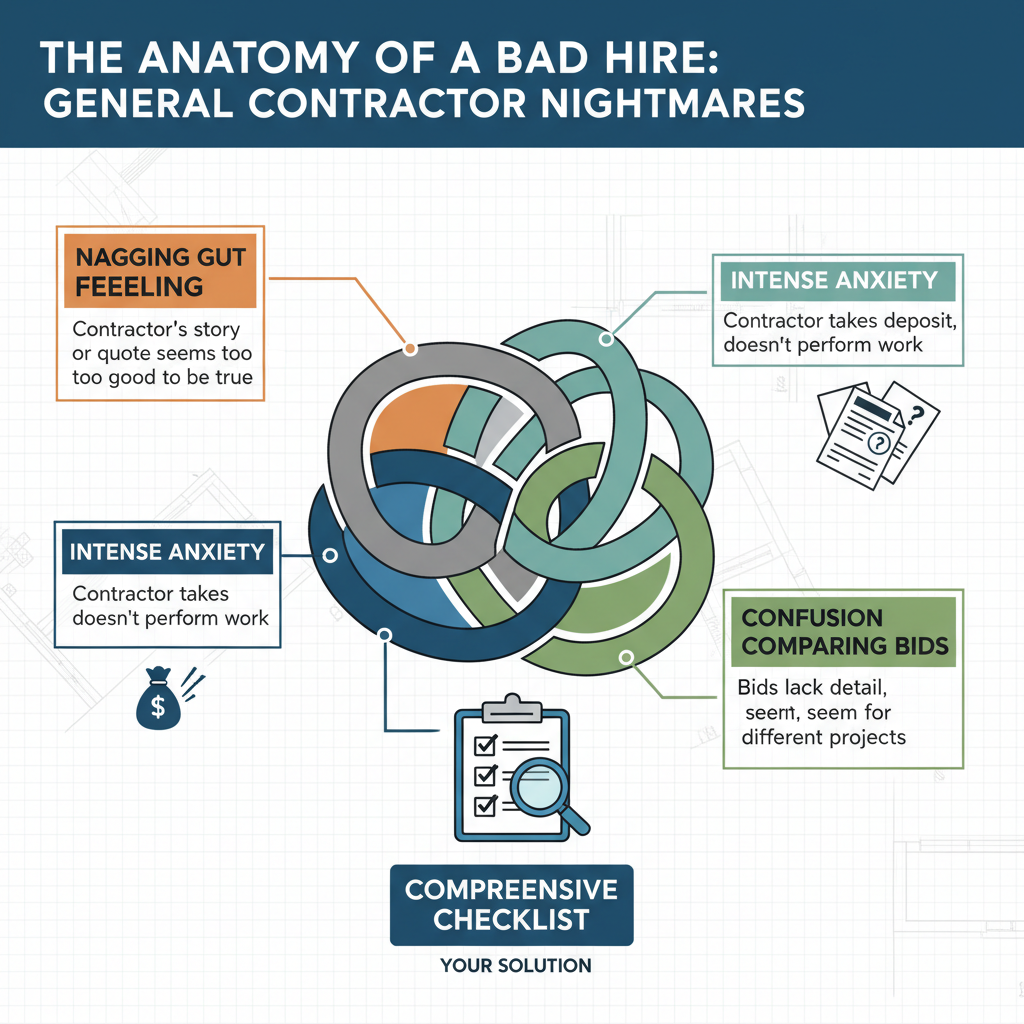
Okay, so here's the quick and dirty on hiring a contractor. The whole game is about avoiding the smooth-talkers who'll take your money and leave you with a mess. You've gotta do your homework. That means you personally verify their license and insurance – don't just take their word for it. Get at least three detailed bids and if one's way cheaper, that’s a huge red flag. And for God's sake, call their references. A bad contractor will cost you double what a good one charges. This isn't where you try to save a buck.
Common Symptoms
Possible Causes
Step-by-Step Diagnosis
Step 1
Clearly define and write down your project scope, including specific materials, brands, and layouts before seeking any bids.
Step 2
Start your research by asking for local referrals, then vet those names online by checking their website, reviews, and any BBB complaints.
Step 3
Obtain the contractor’s state license number and personally verify its status and any disciplinary actions on your state's official licensing board website.
Step 4
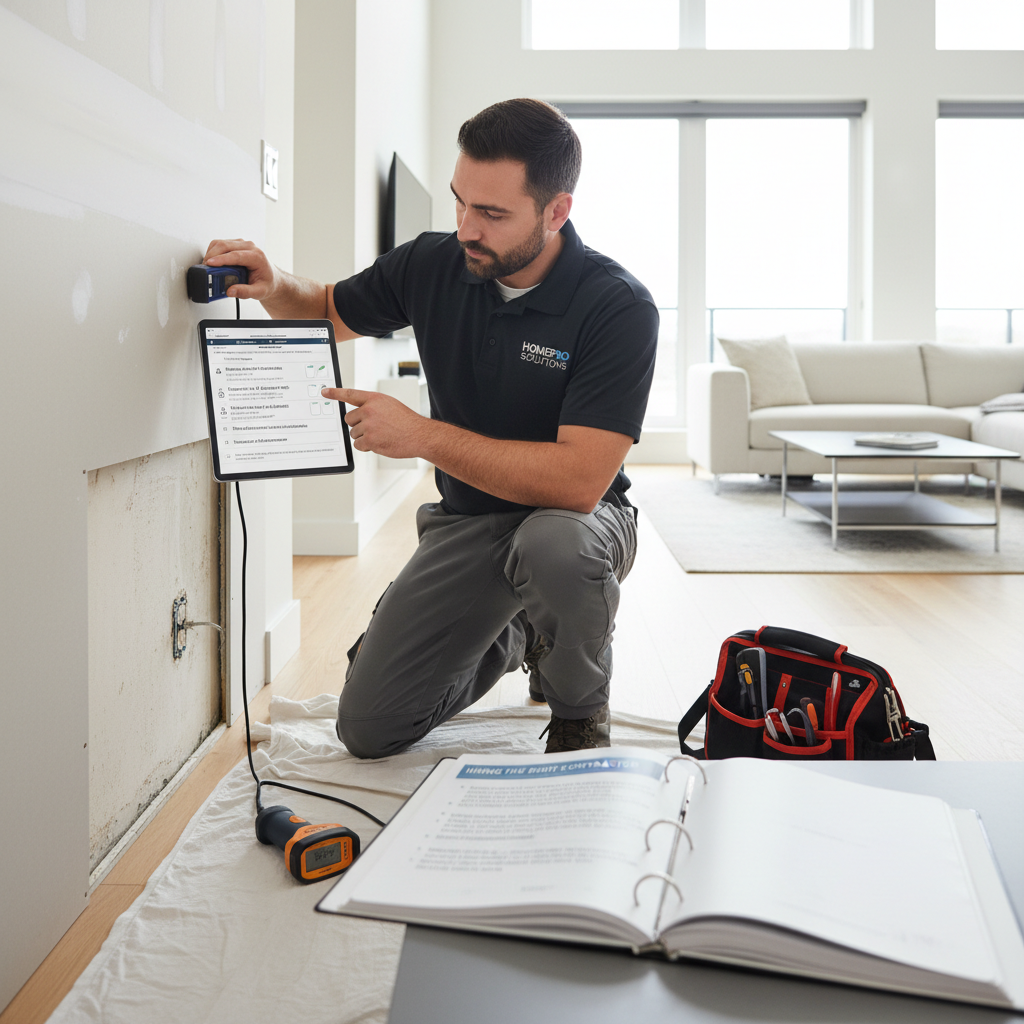
Demand a Certificate of Insurance (COI) showing active General Liability and Workers' Compensation policies. Do not proceed without it.
Step 5
Get a minimum of three detailed, itemized bids and perform an 'apples-to-apples' comparison. Be highly suspicious of any bid that is significantly lower than the others.
Step 6
Request references from the contractor’s last three completed projects and physically call each one to ask about budget, timeline, communication, and overall satisfaction.
Step 7
Review their portfolio, looking for work that is very similar in style and scope to your project. Ask to see a current job site if possible.
Step 8
Interview them about their project management process, who your main point of contact will be, and how they handle unforeseen problems.
Step 9
Scrutinize the proposed payment schedule. Ensure it's based on completed milestones with a final payment held until after a final punch list is complete.
Step 10
Insist on a comprehensive written contract that includes all details: scope, materials, payment schedule, change order process, timeline, and warranty. Consider a legal review for large projects.
DIY vs Professional Costs
| Repair Type | DIY Cost | Professional Cost | Time Required |
|---|---|---|---|
Initial Consultation | N/A | $0 - $250 | 1-2 hours |
Architect / Designer Fees | N/A | 5-20% of project cost | Weeks to Months |
Legal Review of Contract | N/A | $300 - $1,000+ | 1-3 hours |
When to Call a Professional General Contractor
- You always need a professional General Contractor for new construction, large remodels, or any work involving structural changes.
- Call a GC whenever a project involves coordinating multiple trades like plumbing, electrical, HVAC, and framing.
- If the project is significant enough to require building permits and official inspections, a GC's experience is invaluable.
- When the financial investment is substantial. A GC provides a single point of responsibility and management to protect your investment.
- If you lack the extensive time, project management skills, or industry knowledge to oversee a complex job yourself.
Prevention Tips
- Always get at least three detailed, written bids to compare.
- Personally verify every contractor's license and insurance with the issuing agencies.
- Prioritize contractors who have extensive, demonstrable experience with your specific type of project.
- Call their references and ask tough questions about budget, timeliness, and communication.
- Never pay a large deposit upfront or make payments in cash. Stick to a milestone-based payment schedule.
- Insist on a detailed contract that covers the full scope of work, materials, timeline, and change order process.
- Trust your gut. If a contractor seems unprofessional, slick, or too good to be true, walk away.
- Establish clear communication protocols and expect regular updates throughout the project.
Frequently Asked Questions
Related Guides
Finding a Good Contractor That Won't Rip You Off (Troubleshooting & Fixes)
Learn how to find, vet, and hire a reliable general contractor for your home renovation project. Avoid scams and ensure quality work with our step-by-step guide.
Resolving Disputes with a General Contractor: A Homeowner's Troubleshooting Guide
Resolve disputes with your general contractor effectively. Learn how to address poor work quality, project delays, cost overruns, and communication breakdowns with our practical guide for homeowners. Protect your investment.
Deck Permit Requirements: Avoid Fines & Build Confidently (Troubleshooting & Fixes)
Wondering if you need a permit to build a deck? A veteran contractor explains the messy world of deck permits, how to figure out what you need, and how to avoid fines.
Basement Waterproofing During a Remodel (Troubleshooting & Fixes)
A veteran contractor's guide to fixing a wet basement during a remodel. Learn how to stop water intrusion, fix damage, and waterproof for good.
Top Questions to Ask a General Contractor: Your Essential Hiring Guide
Comprehensive guide to choosing a general contractor. Learn essential questions to ask about licensing, insurance, experience, communication, project management, and contracts to ensure a successful home renovation and avoid common pitfalls and scams. Hire with confidence.
Hiring a General Contractor: A Vet's No-Nonsense Checklist (Troubleshooting & Fixes)
A veteran tech's guide to hiring a general contractor. Skip the nightmares by using this checklist to vet licenses, insurance, references, and contracts.
Need Professional Help?
Find top-rated general contractor experts in your area