Quick Answer
Okay, so here's the quick version. Your siding is like a raincoat for your house, and it takes a beating all year. You gotta give it a check-up at least once a year, usually in the spring and fall. Most of the time, you're just looking for dirt, maybe some green gunk, and small cracks in the caulk around windows. A simple cleaning and sealing up some gaps might only cost you $50 in materials. If you see big warps or soft spots, that's when you might need to call a pro. Labor costs for small repairs like replacing a single panel or touching up caulk can range from $100 to $400, while more extensive issues could run anywhere from a few hundred to a few thousand dollars depending on the scope and material.
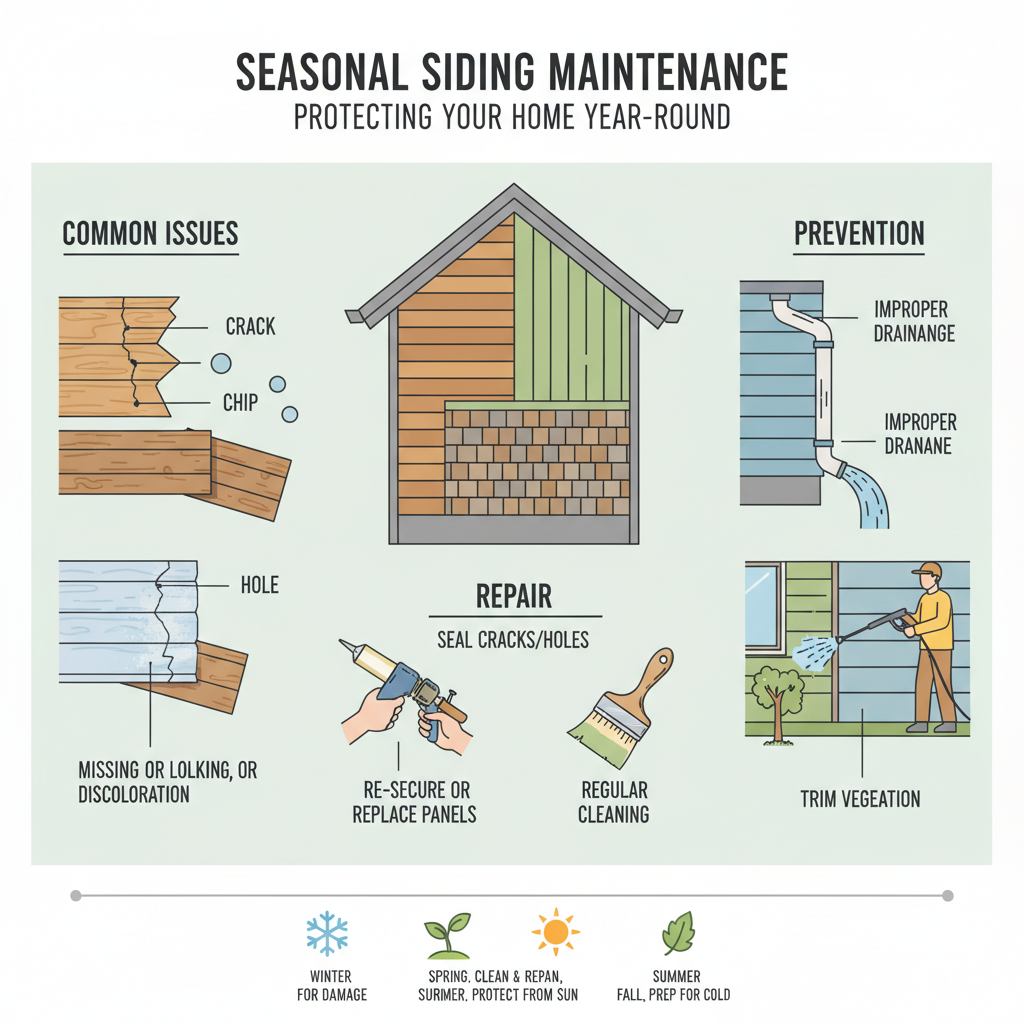
Common Symptoms
Possible Causes
Step-by-Step Diagnosis
Step 1
Start with a 'long-distance walk' around the perimeter, about 15-20 feet away, to spot large-scale issues like discoloration or warping.
Step 2
Perform a second walk-around up close, running your hand along the siding to check for chalking and gently pressing on suspect areas to feel for softness or sponginess indicating rot.
Step 3
Closely inspect all penetrations like windows, doors, faucets, and vents, examining the caulk for any cracks, peeling, or gaps.
Step 4
If you're comfortable and it's safe, use a sturdy ladder to inspect upper levels, especially under the eaves and around second-story windows, checking flashing and hard-to-see areas.
Step 5
Gently probe any suspicious spots on wood siding with a utility knife or screwdriver; if the tool sinks in, you've found rot. For vinyl, check for proper movement by wiggling a panel to ensure it wasn't nailed too tightly.
Step 6
Look for visible signs of pest activity, such as woodpecker holes, insect frass (sawdust-like material), or ant trails leading into cracks.
DIY vs Professional Costs
| Repair Type | DIY Cost | Professional Cost | Time Required |
|---|---|---|---|
Cleaning Siding (Mold, Dirt) | $20-100 | $200-600 | 3-6 hours |
Re-caulking Gaps Around a Few Windows | $10-50 | $100-300 | 1-2 hours |
Replacing One Damaged Vinyl Panel | $20-50 | $150-400 | 1-3 hours |
Patching a Small Hole (Wood/Fiber Cement) | $15-40 | $150-350 | 1 hour + dry time |
When to Call a Professional Siding
- You've discovered soft, spongy spots or rot that goes deeper than the surface of the siding material.
- Large sections of siding (more than a few panels) are missing, buckled, or severely damaged from a storm or impact.
- You're dealing with extensive mold that keeps returning, which suggests a larger, hidden moisture problem.
- The repair job requires working on a second or third story and you are not completely comfortable or equipped to work safely on high ladders.
- You have siding made of a specialized material like fiber cement, stucco, or EIFS, which require specific tools and expertise for proper repair.
- You see clear signs of a serious pest infestation, like termites or carpenter ants, which need to be handled by an exterminator first.
- The damage appears to be related to an underlying structural issue, such as a settling foundation causing the walls to shift and siding to crack.
Prevention Tips
- Clean your gutters twice a year, in the spring and fall, to prevent water overflow from getting behind your siding. This is the single most important prevention task.
- Trim trees, shrubs, and other landscaping to be at least one foot away from the house. This allows air to circulate and dry the siding, and prevents branches from scraping the surface.
- Perform a visual walk-around inspection of your entire home's exterior at least twice a year to catch small issues like cracked caulk or minor dings before they worsen.
- Wash your siding annually with a low-pressure washer or a soft brush and garden hose to remove dirt, pollen, and algae before they can cause stains or damage.
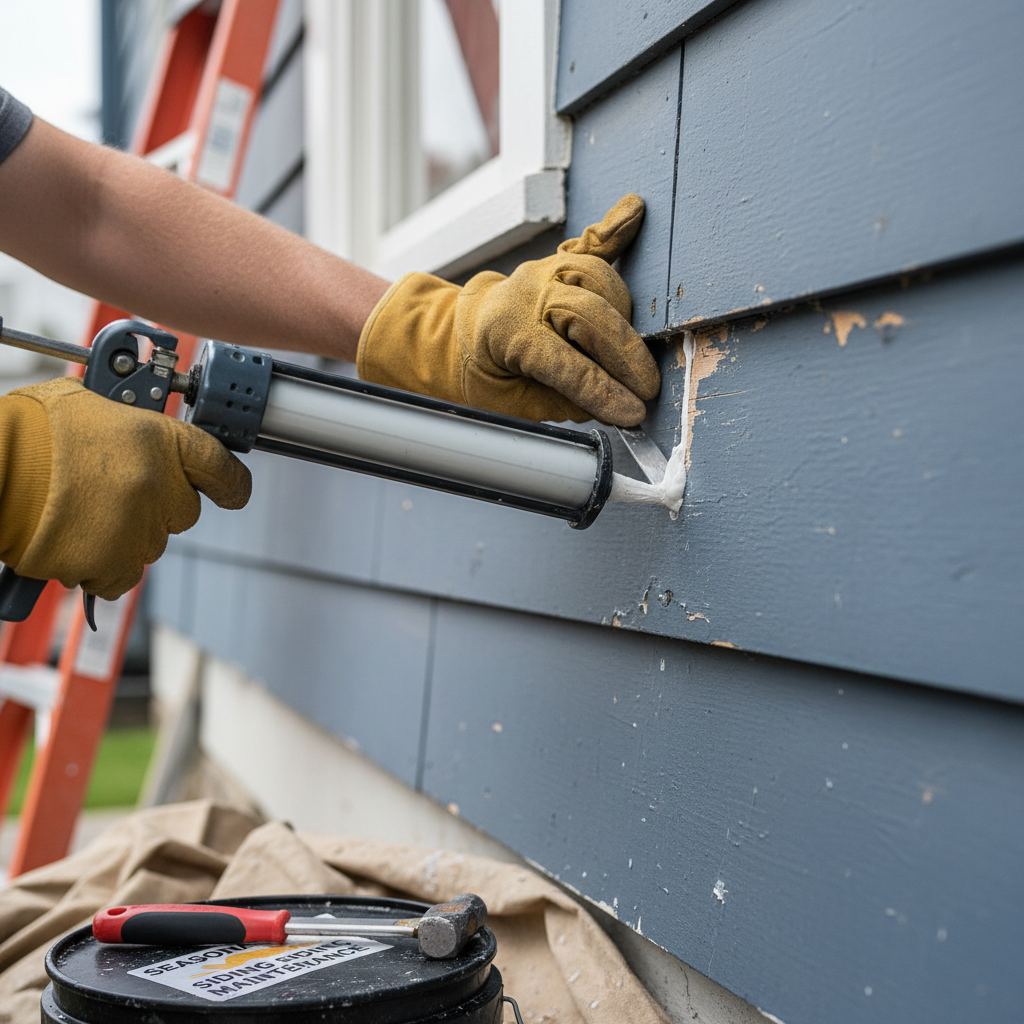
- Immediately address small gaps or cracks in caulk around windows, doors, and penetrations. A small tube of caulk is the cheapest insurance against major water damage.
- Ensure your attic and crawl spaces have proper ventilation to prevent moisture from building up behind the siding from the inside out.
Frequently Asked Questions
Related Guides
Choosing a Qualified Siding Repair Contractor: A Guide for Homeowners Troubleshooting & Fixes (2024 Guide)
A veteran technician's guide to choosing a siding repair contractor. Learn how to spot scams, verify credentials, and get a fair price for quality work.
Annual Siding Inspection for Damage and Maintenance Needs Troubleshooting & Fixes (2024 Guide)
A veteran tech's guide to your annual siding inspection. Learn to spot damage, what causes it, and when you can DIY a fix versus when you need to call a pro.
Siding Leaks: Identifying and repairing water intrusion through exterior siding materials. Troubleshooting & Fixes (2024 Guide)
A veteran technician's guide to finding and fixing siding leaks. Learn the symptoms, causes, and when it's a DIY job versus when to call a pro.
Common Siding Problems & Solutions: A Homeowner's Troubleshooting Guide covering various types of siding damage, their causes, and repair options. Troubleshooting & Fixes (2024 Guide)
A veteran technician explains common siding problems like cracks, warping, and rot. Get real-world troubleshooting tips and repair costs for your home's siding.
Siding damage due to external impacts like trees or accidents, leading to visible defects and potential structural or moisture issues. Troubleshooting & Fixes
Siding Took a Beating from a Storm? Troubleshooting & Fixes from a Guy Who's Seen It All
Storms beat up your siding? Here's a veteran tech's guide on what to look for, how to fix vinyl and fiber cement, and when to call for backup.
Need Professional Help?
Find top-rated siding experts in your area