Quick Answer
Okay, so here's the quick version. You got pests under your siding because they found a tiny opening. A crack, a gap around a pipe, a loose corner piece. That's all it takes. For mice, a dime-sized hole is a doorway. Your fix is a two-parter: get rid of the pests and then—this is the important part—seal up every last entry point. You can DIY the sealing for under $50. But if you've got a real infestation, you might need a pro, which can run anywhere from $300 to over a thousand bucks depending on what critter moved in.
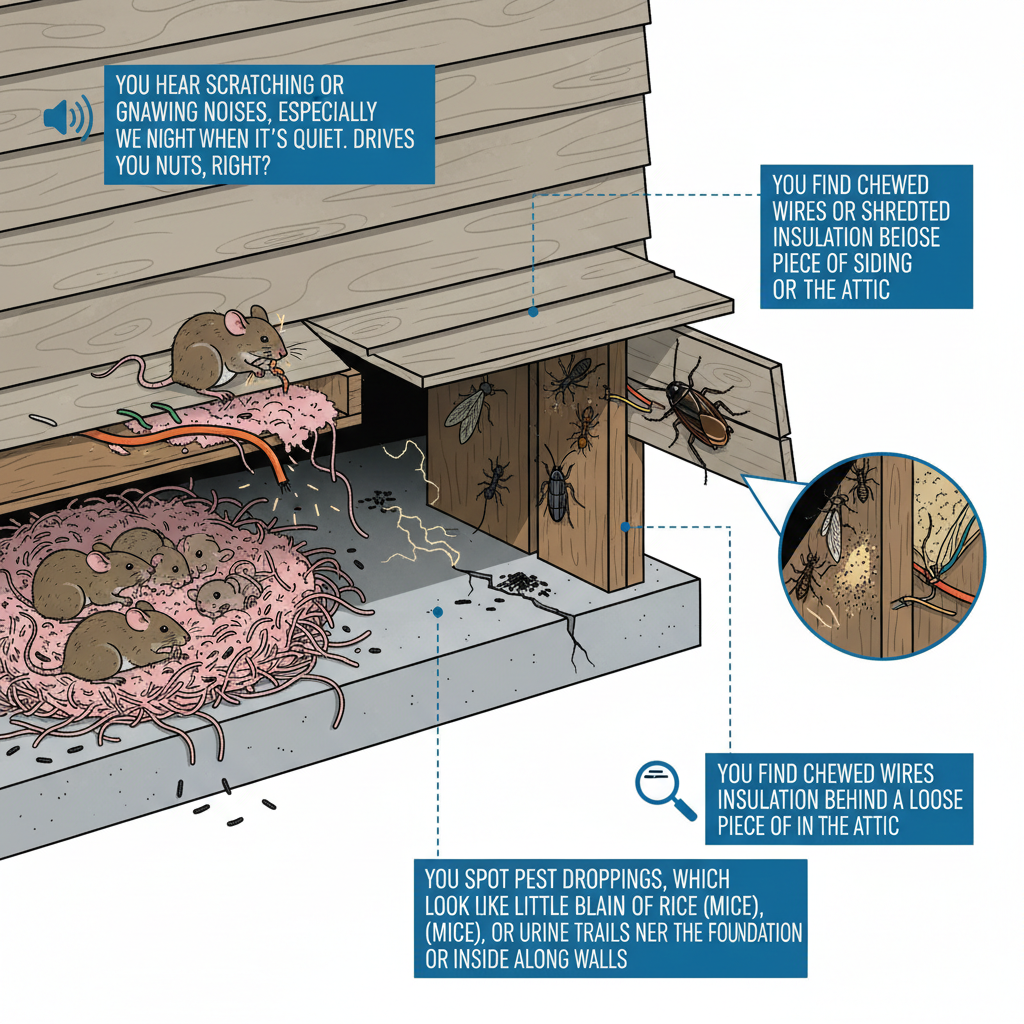
Common Symptoms
Possible Causes
Step-by-Step Diagnosis
Step 1
Get a good, bright flashlight—not your phone—and walk the entire perimeter of your house. Do this at dusk or dawn when critters are active.
Step 2
Look for the clues. Get down low and inspect the bottom edge of the siding for droppings, chew marks, or greasy rub marks. Shine the light up into weep holes.
Step 3
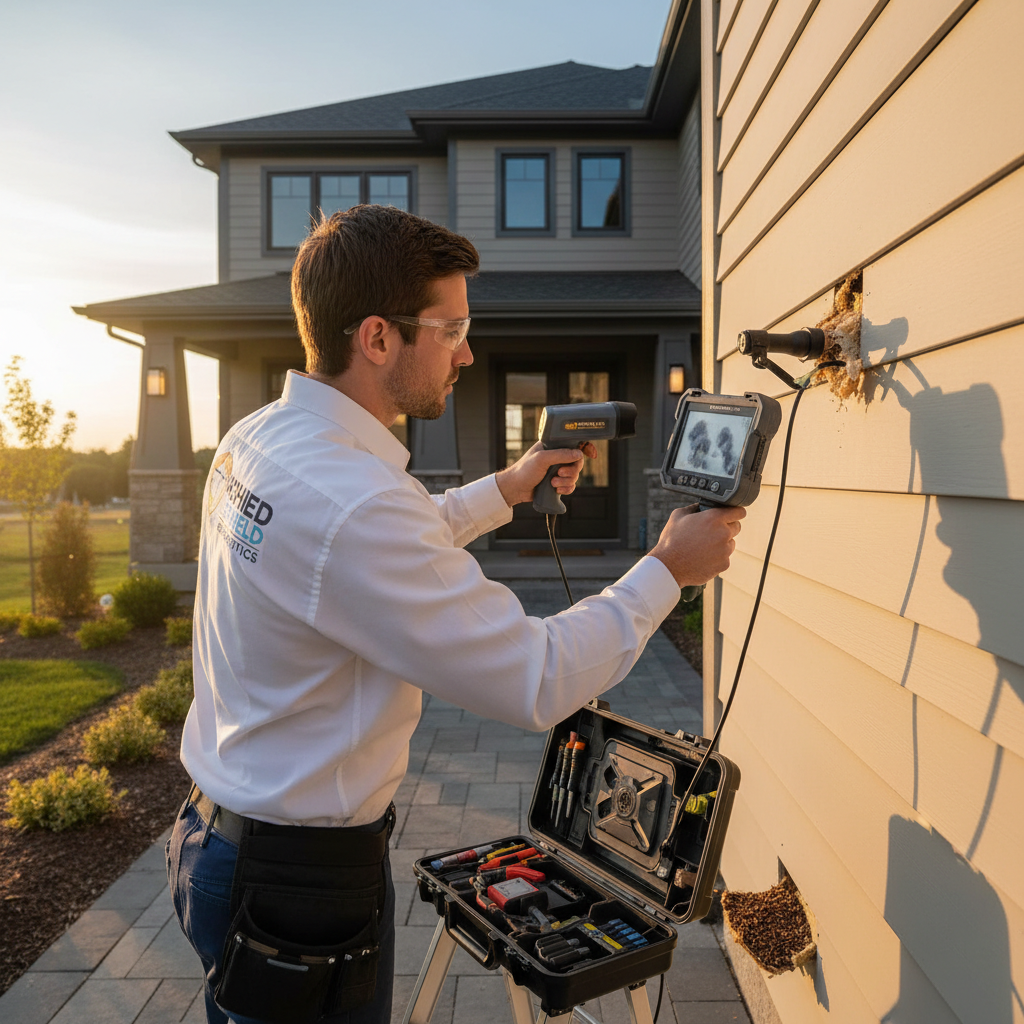
Pay extremely close attention to all corners and any place something goes through the wall. Check around spigots, electrical boxes, vents, and pipes. Is the sealant around them cracked, old, or missing?
Step 4
Go inside and listen. Put your ear directly against the walls where you suspect activity. Listen for faint scratching, rustling, or buzzing. Noises are often your first and best clue.
Step 5
Look for signs of bug traffic. Watch for a few minutes to see if ants are forming a trail up a wall or if wasps are hovering around a specific spot.
Step 6
If you suspect mice and know the general area, try the 'flour trick.' Sprinkle a thin layer of flour on the ground overnight and check for tiny tracks in the morning to confirm their path.
DIY vs Professional Costs
| Repair Type | DIY Cost | Professional Cost | Time Required |
|---|---|---|---|
Sealing Gaps & Cracks | $15 - $50 | $200 - $450 | 2-4 hours |
Placing Traps & Bait (Rodents/Insects) | $20 - $100 | $300 - $800+ | Ongoing |
Siding Panel Repair/Replacement | $75 - $300 | $250 - $1,000+ | 1-3 hours/panel |
Wasp/Hornet Nest Removal from Wall Void | DO NOT DIY | $350 - $700 | 1-2 hours |
When to Call a Professional Siding
- You hear a distinct, angry BUZZING coming from inside a wall. That's not a DIY job. That's a nest of something that stings, and you need an expert with a bee suit, not a can of Raid.
- You have a major infestation. If you're catching more than a couple of mice or seeing hundreds of ants, you've lost the battle. It's time to call in a professional with a strategy to win the war.
- You suspect termites or see signs of structural damage. Don't guess. A licensed termite pro or a structural engineer needs to look at it.
- The uninvited guest is a squirrel, raccoon, or something larger than a rat. These are wildlife, and they can be dangerous and require special handling and removal.
- The problem is in a place you can't safely reach, like high up on a second story or near power lines. Don't risk your neck to save a few bucks.
- You've tried sealing and trapping yourself, and they're still getting in. A pro can often find entry points that the average person would never even think to look for.
Prevention Tips
- Seal every single crack you can find, no matter how small. Use high-quality exterior caulk. For larger holes, pack them with steel wool first, then caulk over it.
- Trim your bushes, trees, and any other vegetation so there's at least a foot of clear space between the plant and your siding.
- Clean up your yard. Don't let leaf litter pile up against the foundation and store firewood on a rack well away from the house.
- Make sure your garbage cans have tight-fitting lids and don't leave pet food outside overnight.
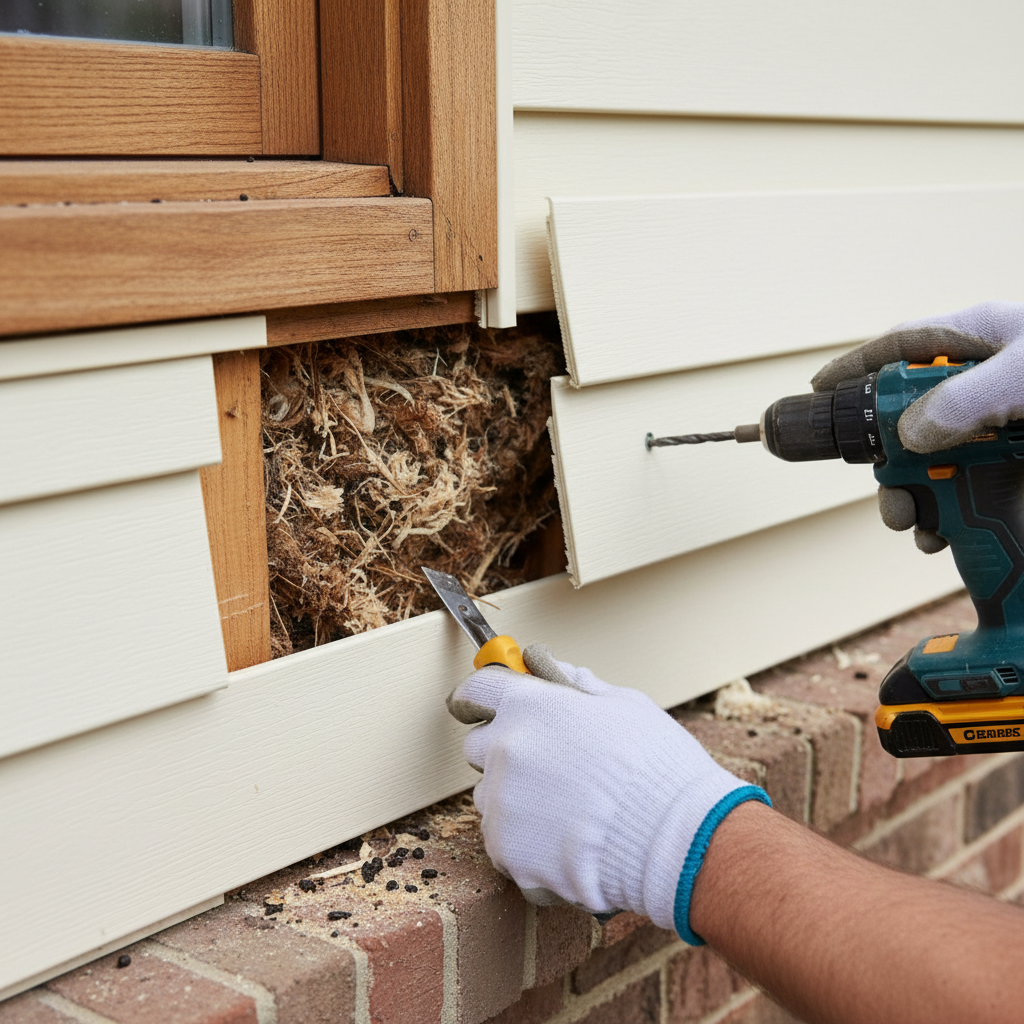
- Fix damaged siding immediately. A loose panel is a welcome mat for pests.
- Check that all your exterior vents (dryer, roof, foundation) have intact screens or covers to block entry.
- Once a year, do a full inspection walk around your house specifically looking for new potential entry points.
Frequently Asked Questions
Related Guides
Choosing a Qualified Siding Repair Contractor: A Guide for Homeowners Troubleshooting & Fixes (2024 Guide)
A veteran technician's guide to choosing a siding repair contractor. Learn how to spot scams, verify credentials, and get a fair price for quality work.
Annual Siding Inspection for Damage and Maintenance Needs Troubleshooting & Fixes (2024 Guide)
A veteran tech's guide to your annual siding inspection. Learn to spot damage, what causes it, and when you can DIY a fix versus when you need to call a pro.
Siding Leaks: Identifying and repairing water intrusion through exterior siding materials. Troubleshooting & Fixes (2024 Guide)
A veteran technician's guide to finding and fixing siding leaks. Learn the symptoms, causes, and when it's a DIY job versus when to call a pro.
Common Siding Problems & Solutions: A Homeowner's Troubleshooting Guide covering various types of siding damage, their causes, and repair options. Troubleshooting & Fixes (2024 Guide)
A veteran technician explains common siding problems like cracks, warping, and rot. Get real-world troubleshooting tips and repair costs for your home's siding.
Siding damage due to external impacts like trees or accidents, leading to visible defects and potential structural or moisture issues. Troubleshooting & Fixes
Siding Took a Beating from a Storm? Troubleshooting & Fixes from a Guy Who's Seen It All
Storms beat up your siding? Here's a veteran tech's guide on what to look for, how to fix vinyl and fiber cement, and when to call for backup.
Need Professional Help?
Find top-rated siding experts in your area