Quick Answer
Okay, so here's the quick version. A big storm blows through and now your house looks like it got in a fight. You're gonna see dents from hail, maybe some cracks, or entire panels just plain gone thanks to the wind. Nine times out of ten, a loose panel is a simple DIY fix with a $15 zip tool. You can patch a small hole for maybe $20. But if you're seeing water stains inside, or half the wall is missing, don't be a hero. You're calling a pro. That can run anywhere from a few hundred bucks to a whole new re-siding job depending on how bad things are.
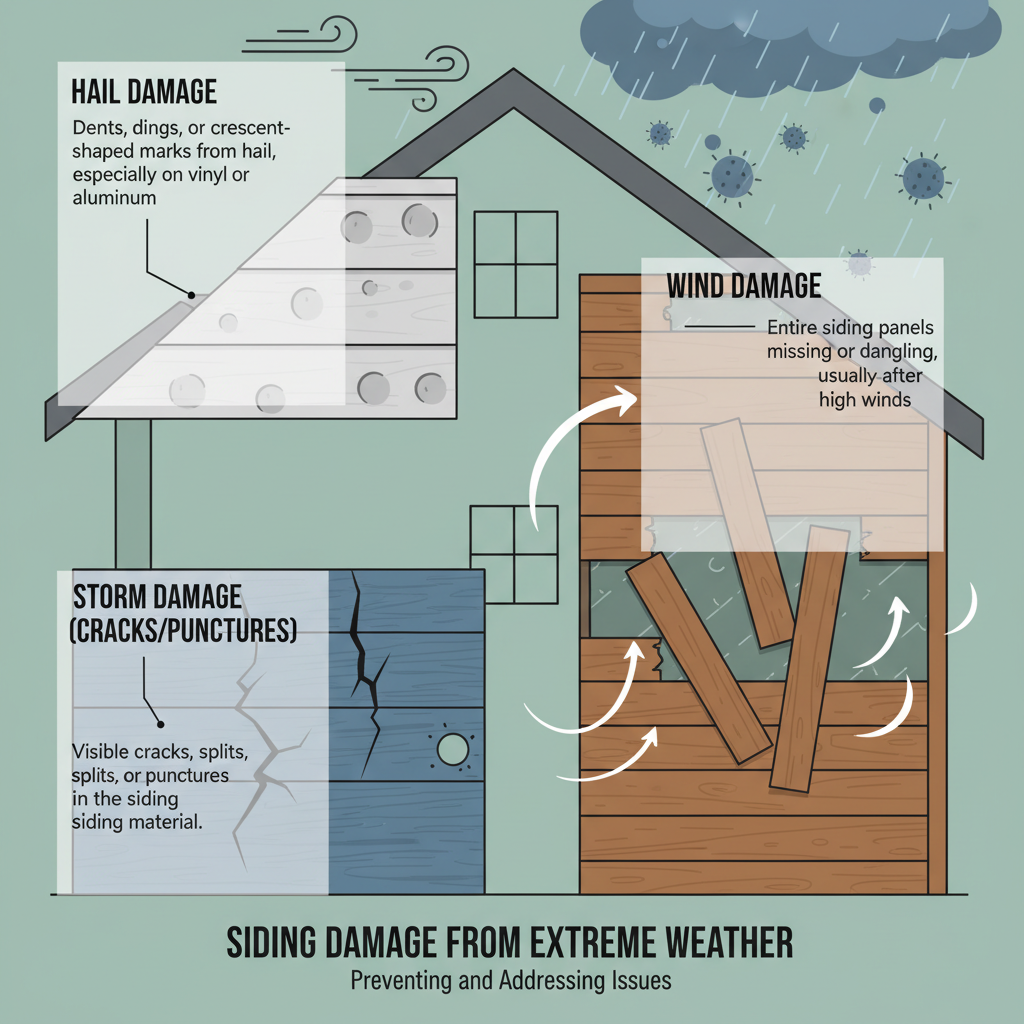
Common Symptoms
Possible Causes
Step-by-Step Diagnosis
Step 1
The Post-Storm Walk-Around. After the storm passes, do a slow, careful lap around your entire house. Look for obvious damage like missing panels or large holes from a distance.
Step 2
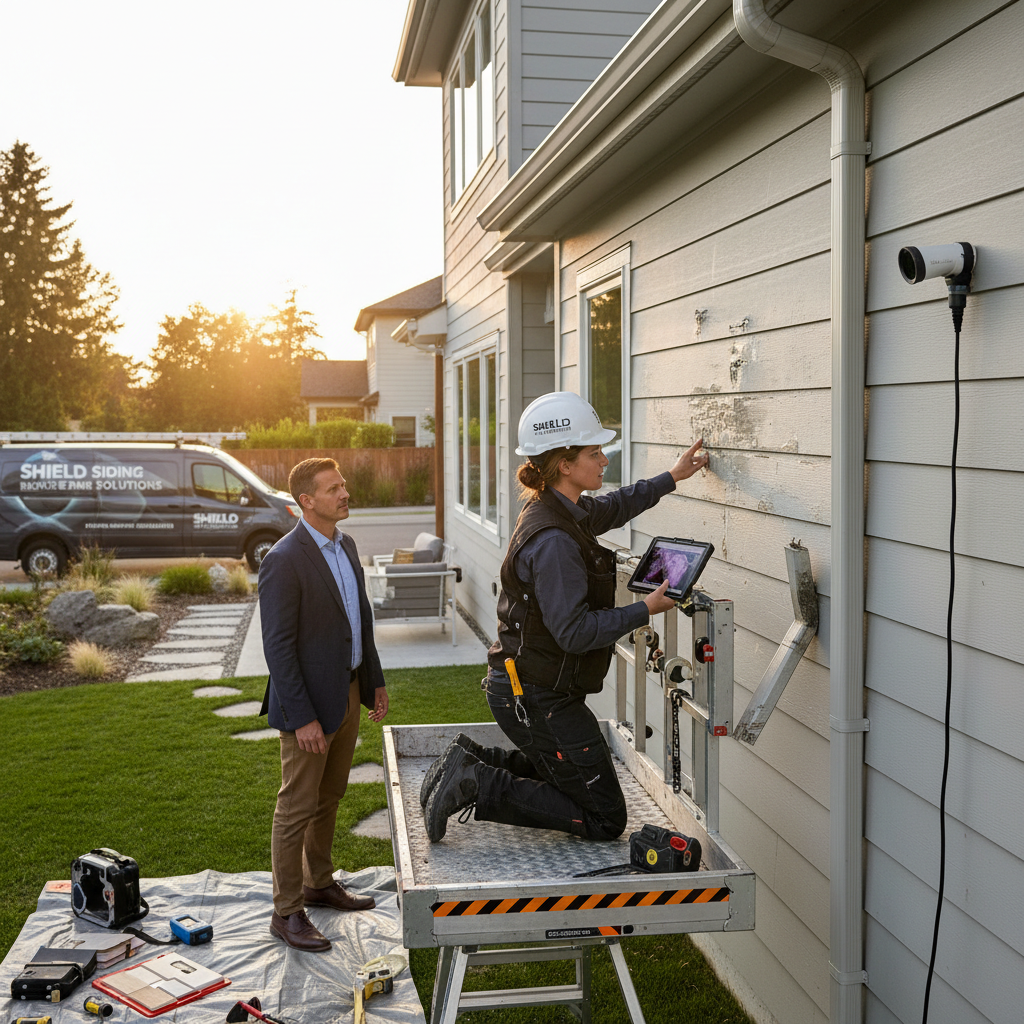
Get Hands-On. Get close to the siding, especially on the side that faced the storm. Look down the wall at an angle to spot dents in vinyl. Run your hand over it to feel for hairline cracks or chips.
Step 3
Step-3: Check The Seams and Corners. Gently push on siding panels to check for looseness. Pay close attention to corner posts and the J-channel around windows to make sure the siding is still properly seated.
Step 4
Look for Water Intrusion. Check inside for any new signs of water damage—stains on drywall, peeling paint, or a musty odor near exterior walls. This indicates a breach in your home's exterior.
Step 5
Document Everything. Take clear photos of all damage you find, both up close and from a distance. Note the date of the storm. This is critical for any insurance claim.
Step 6
Know When to Call for Backup. If the damage is extensive, on a second story, or if you see signs of water inside, call a professional for a thorough inspection.
DIY vs Professional Costs
| Repair Type | DIY Cost | Professional Cost | Time Required |
|---|---|---|---|
Reattaching a single loose vinyl panel | $15-20 | $200-400 | 15-30 minutes |
Patching a small hole/crack (vinyl) | $10-40 | $250-500 | 30 minutes |
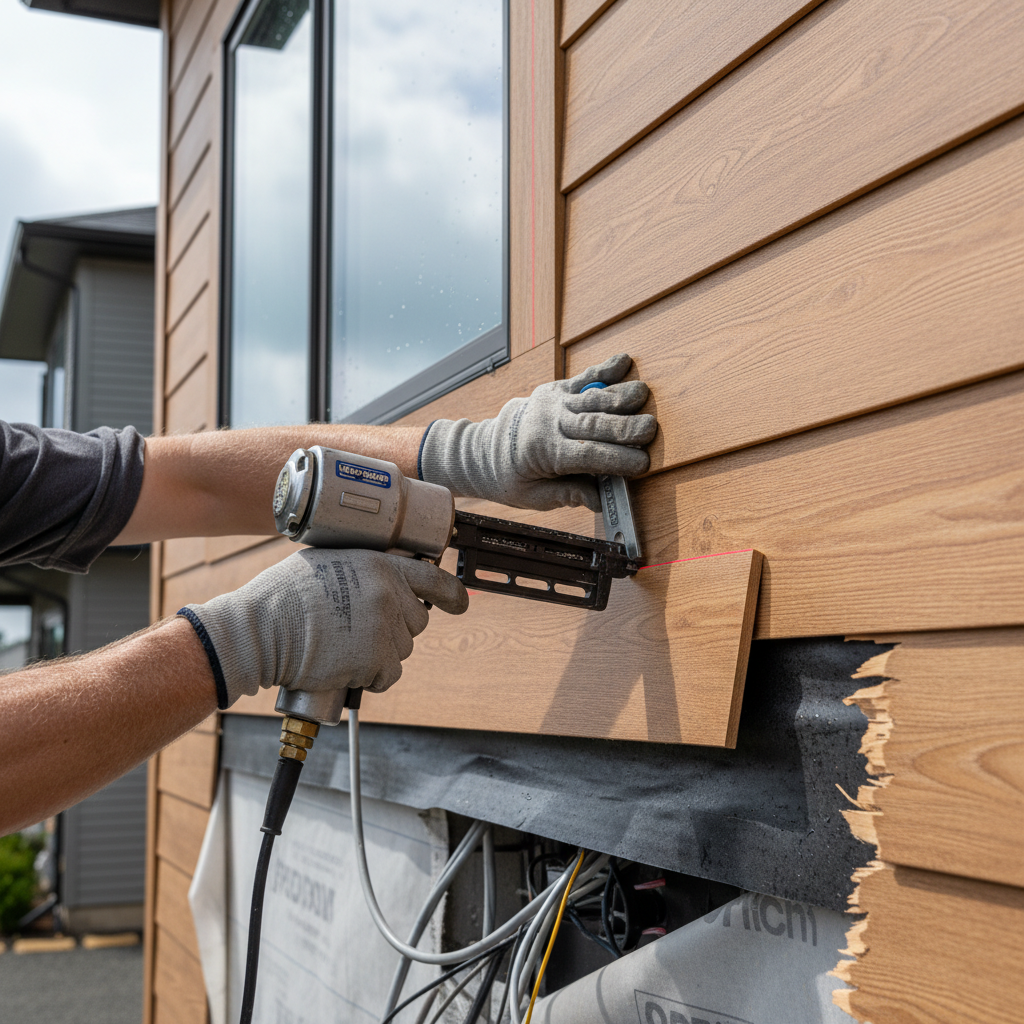
Replacing one or two damaged vinyl panels | $50-100 | $300-600 | 1-2 hours |
Replacing a damaged fiber cement panel | $70-150 | $400-800+ | 2-4 hours |
Section Repair (e.g., 10'x10' area) | Not Recommended | $800 - $3,000+ | 1-2 days |
When to Call a Professional Siding
- When there is extensive or widespread siding damage across one or more walls.
- If you see any signs of water intrusion inside your home, such as water stains, peeling paint, or a musty odor.
- For any damage that requires working on a ladder on the second story of your home or higher.
- If your siding material is fiber cement, wood, or engineered wood, which require special tools and techniques.
- When you need to file an insurance claim and require a professional estimate and report.
Prevention Tips
- Invest in better materials when it's time to replace. Thicker gauge vinyl, fiber cement, or engineered wood offers much better impact and wind resistance.
- Ensure proper installation. Hire a reputable contractor who fastens the siding correctly to manufacturer specifications.
- Trim trees and remove dead branches near your house to reduce the risk of debris impact during a storm.
- Secure loose outdoor items like patio furniture, grills, and trampolines before a storm hits.
- Perform an annual spring inspection of your siding. Look for loose panels, cracked caulk, or other small issues and fix them before they become big problems.
Frequently Asked Questions
Related Guides
Choosing a Qualified Siding Repair Contractor: A Guide for Homeowners Troubleshooting & Fixes (2024 Guide)
A veteran technician's guide to choosing a siding repair contractor. Learn how to spot scams, verify credentials, and get a fair price for quality work.
Annual Siding Inspection for Damage and Maintenance Needs Troubleshooting & Fixes (2024 Guide)
A veteran tech's guide to your annual siding inspection. Learn to spot damage, what causes it, and when you can DIY a fix versus when you need to call a pro.
Siding Leaks: Identifying and repairing water intrusion through exterior siding materials. Troubleshooting & Fixes (2024 Guide)
A veteran technician's guide to finding and fixing siding leaks. Learn the symptoms, causes, and when it's a DIY job versus when to call a pro.
Common Siding Problems & Solutions: A Homeowner's Troubleshooting Guide covering various types of siding damage, their causes, and repair options. Troubleshooting & Fixes (2024 Guide)
A veteran technician explains common siding problems like cracks, warping, and rot. Get real-world troubleshooting tips and repair costs for your home's siding.
Siding damage due to external impacts like trees or accidents, leading to visible defects and potential structural or moisture issues. Troubleshooting & Fixes
Siding Took a Beating from a Storm? Troubleshooting & Fixes from a Guy Who's Seen It All
Storms beat up your siding? Here's a veteran tech's guide on what to look for, how to fix vinyl and fiber cement, and when to call for backup.
Need Professional Help?
Find top-rated siding experts in your area