Quick Answer
Okay, so here's the quick version. Your house might be struggling with proper ventilation, often due to issues with *attic vents* (like soffit, gable, or ridge vents) or less commonly, wall cavity vents. If these 'siding vents' are clogged, damaged, or were installed incorrectly, it can lead to moisture buildup, which you might notice as musty odors in the attic, higher energy bills, or even visible signs like frost in the attic or ice dams in winter. Cleaning them yourself is basically free. However, if there's rot, significant moisture damage, or you need new vents installed, professional costs can range from $150 for minor fixes to over a thousand dollars if siding needs to be removed for repairs or new installations. The whole point is to address ventilation issues early to prevent widespread moisture damage to your home's structure.
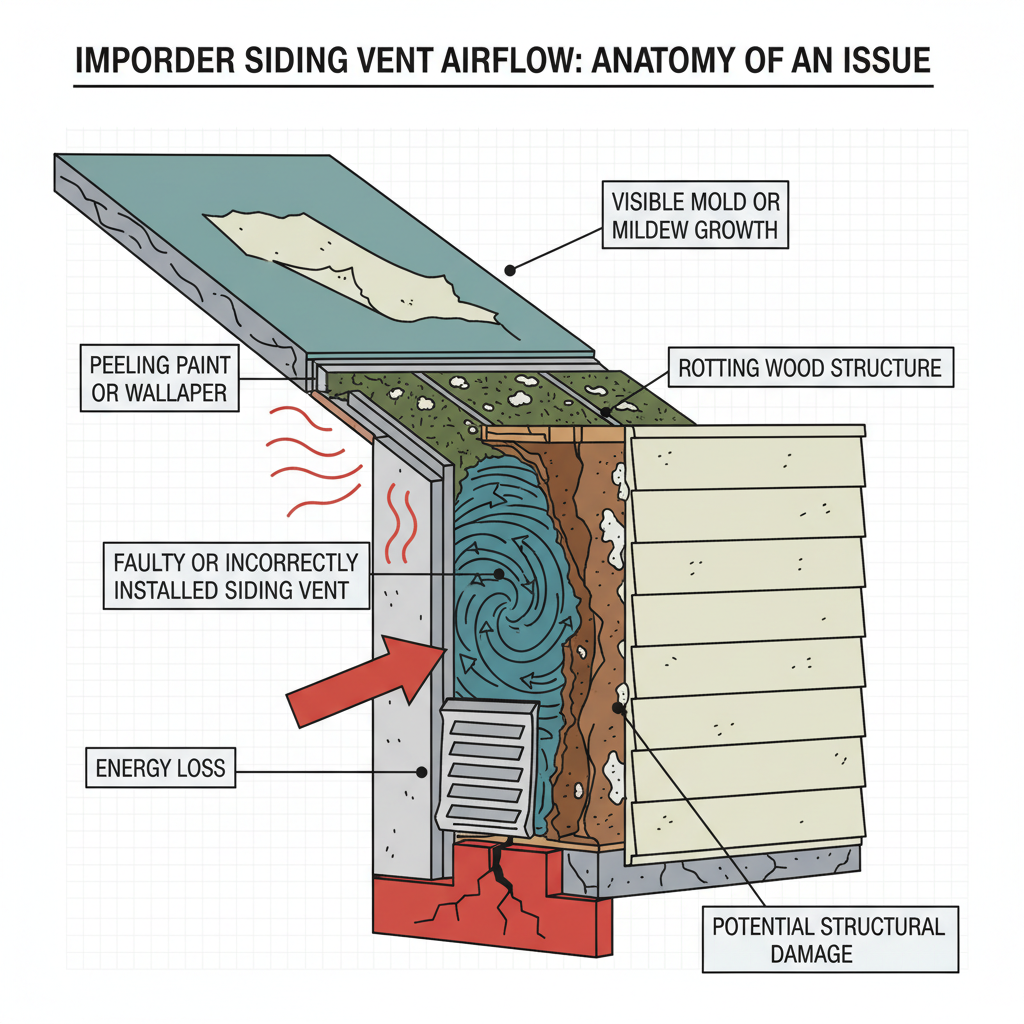
Common Symptoms
Possible Causes
Step-by-Step Diagnosis
Step 1
Visually inspect exterior siding vents for obstructions, damage (cracks, missing screens), and proper sealing against the siding.
Step 2
Check attic or crawl space for signs of moisture (water stains, mold, wood rot) near vent locations.
Step 3
Assess for proper insulation clearance around soffit and ridge vents from the interior (attic).
Step 4
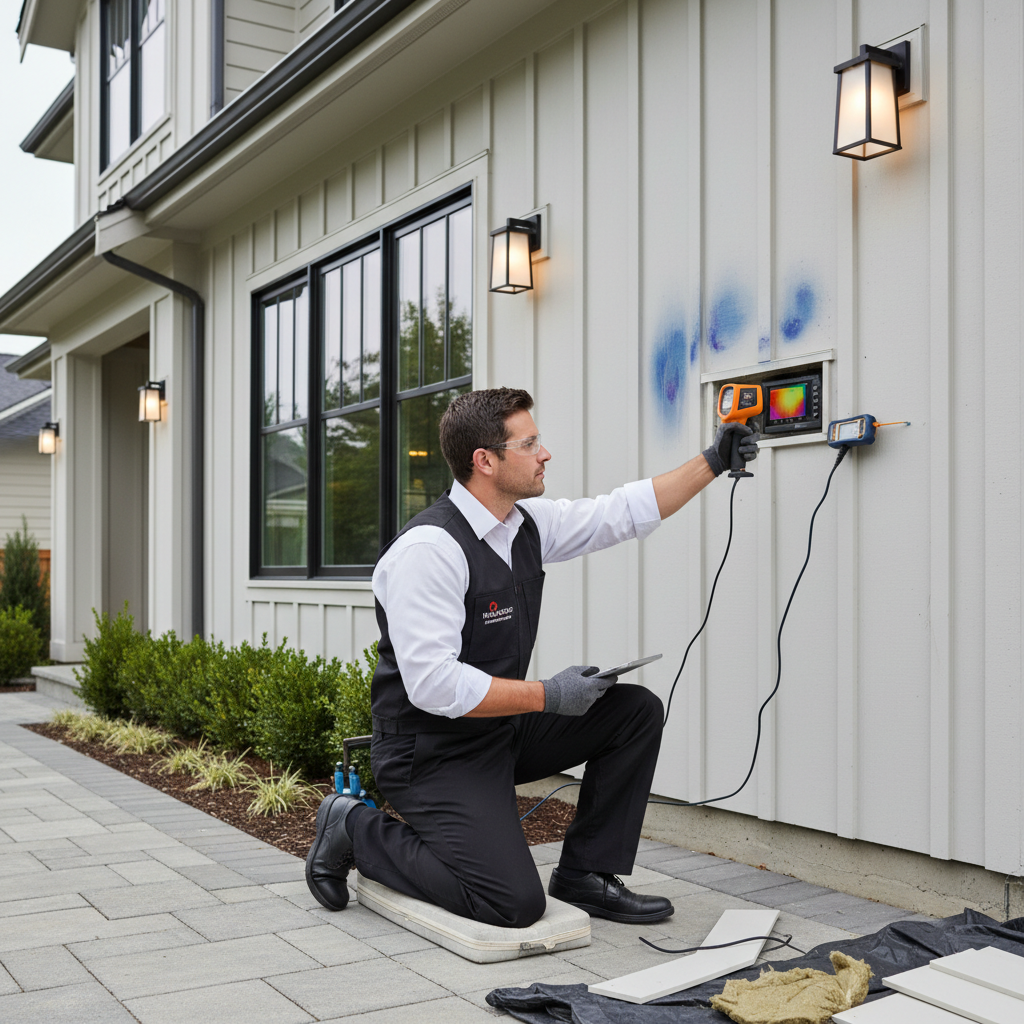
Use a thermal imaging camera (if available) to identify areas of significant heat loss or gain around vent areas.
Step 5
During windy conditions, check for air drafts around interior vent openings or wall sections near exterior vents.
Step 6
Confirm that vent types (e.g., soffit, gable, ridge) are appropriate for the home's design and provide balanced intake/exhaust.
DIY vs Professional Costs
| Repair Type | DIY Cost | Professional Cost | Time Required |
|---|---|---|---|
Cleaning obstructed vents | $0-20 | $150-400 | 1-2 hours |
Replacing damaged vent screens/louvers | $10-50 per vent | $150-400 | 1-2 hours |
Sealing minor gaps around existing vents | $5-30 | $150-400 | 1-3 hours |
Installation of new/additional vents | Not Recommended | $300-1,500+ per vent (depending on vent type, siding type, and accessibility) | 4-8 hours |
Siding repair due to vent-related water damage | Not Recommended | $500-4,000+ (depending on extent of damage and siding type) | 1-3 days |
When to Call a Professional Siding
- When large sections of siding need to be removed to access underlying issues or install new vents.
- If extensive wood rot or structural damage is suspected behind the siding or in the attic.
- When there are signs of chronic moisture problems (e.g., widespread mold, recurring leaks) that DIY repairs haven't resolved.
- If the home's entire ventilation system needs to be assessed or redesigned for optimal airflow.
- When working at significant heights or if you're not comfortable on ladders.
- If pest infestations have caused damage that requires sealing and remediation beyond simple vent repair.
Prevention Tips
- Regularly inspect all exterior siding vents for blockages (leaves, bird nests, insect screens) and clear them.
- Ensure vent screens are intact to prevent pests and debris from entering.
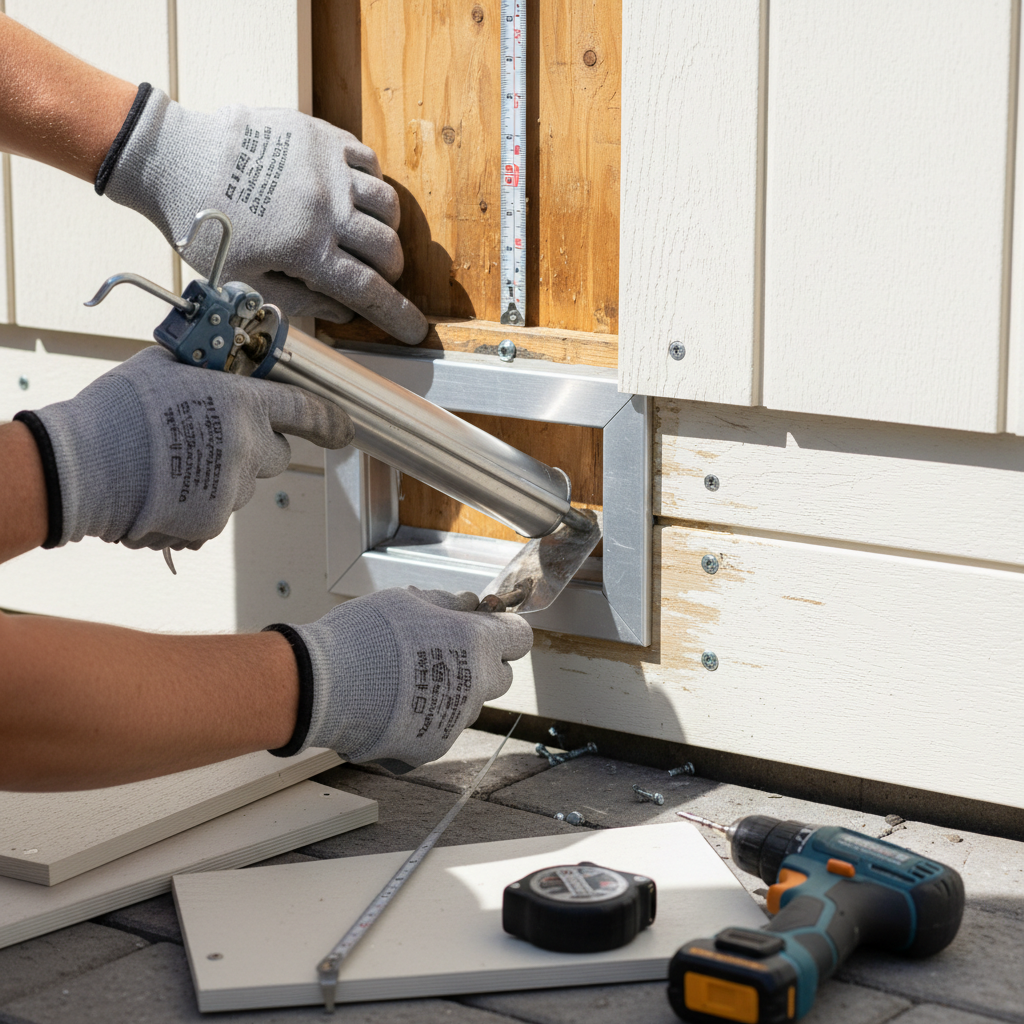
- Check vent seals periodically and re-caulk/seal any deteriorating or cracked areas.
- Ensure insulation in the attic does not block soffit vents, using baffles if necessary to maintain airflow paths.
- Maintain clear gutters and downspouts to prevent water from backing up and penetrating siding or vent areas.
- Trim trees and shrubs away from siding and vents to prevent debris accumulation and moisture retention.
Frequently Asked Questions
Related Guides
Choosing a Qualified Siding Repair Contractor: A Guide for Homeowners Troubleshooting & Fixes (2024 Guide)
A veteran technician's guide to choosing a siding repair contractor. Learn how to spot scams, verify credentials, and get a fair price for quality work.
Annual Siding Inspection for Damage and Maintenance Needs Troubleshooting & Fixes (2024 Guide)
A veteran tech's guide to your annual siding inspection. Learn to spot damage, what causes it, and when you can DIY a fix versus when you need to call a pro.
Siding Leaks: Identifying and repairing water intrusion through exterior siding materials. Troubleshooting & Fixes (2024 Guide)
A veteran technician's guide to finding and fixing siding leaks. Learn the symptoms, causes, and when it's a DIY job versus when to call a pro.
Common Siding Problems & Solutions: A Homeowner's Troubleshooting Guide covering various types of siding damage, their causes, and repair options. Troubleshooting & Fixes (2024 Guide)
A veteran technician explains common siding problems like cracks, warping, and rot. Get real-world troubleshooting tips and repair costs for your home's siding.
Siding damage due to external impacts like trees or accidents, leading to visible defects and potential structural or moisture issues. Troubleshooting & Fixes
Siding Took a Beating from a Storm? Troubleshooting & Fixes from a Guy Who's Seen It All
Storms beat up your siding? Here's a veteran tech's guide on what to look for, how to fix vinyl and fiber cement, and when to call for backup.
Need Professional Help?
Find top-rated siding experts in your area