Quick Answer
Okay, here’s the quick version. Most fall and winter water damage comes from two things: clogged gutters and burst pipes. An ounce of prevention is worth a truckload of cure, believe me. You'll want to clean your gutters before the snow flies and insulate any pipes in cold spots like your crawlspace. If you do it yourself, you're looking at maybe $50-100 in materials. If you have to call me or another pro out to fix a mess, you’re starting at a few hundred bucks and it can go up into the thousands. Fast.
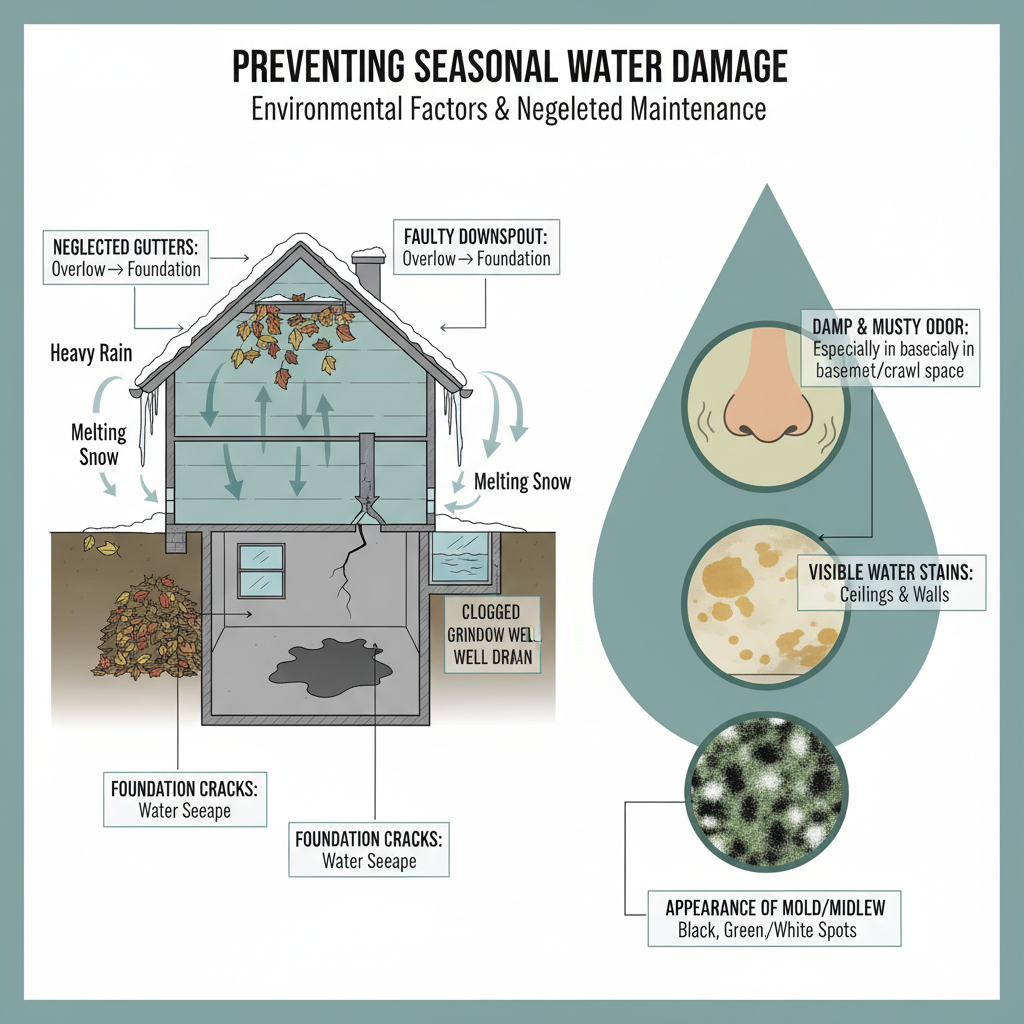
Common Symptoms
Possible Causes
Step-by-Step Diagnosis
Step 1
Exterior Walk-Around: Inspect gutters for debris, downspout function, and look for visible damage to the roof and siding.
Step 2
Check Ground Slope: Verify that the ground around your foundation slopes away from the house to promote proper drainage.
Step 3
Foundation Inspection: Carefully examine the visible foundation for any cracks, especially horizontal or large, jagged cracks.
Step 4
Interior Inspection: Go to the basement, crawlspace, and attic with a flashlight to look for water stains, mold, dampness, and efflorescence.
Step 5
Use a Moisture Meter: In areas that look suspicious, use a moisture meter to confirm elevated moisture levels within drywall or wood.
Step 6
Monitor During Storms: Observe problematic areas during heavy rain or snowmelt to pinpoint the exact source of water entry.
Step 7
Pipe and Appliance Check: Inspect exposed water pipes for insulation and look for any signs of leaks around water heaters, washing machines, and spigots.

DIY vs Professional Costs
| Repair Type | DIY Cost | Professional Cost | Time Required |
|---|---|---|---|
Gutter Cleaning & Minor Repair | $0 - $50 | $150 - $350 | 2-4 hours |
Adding Downspout Extensions | $20 - $60 | $100 - $250 | 30 minutes |
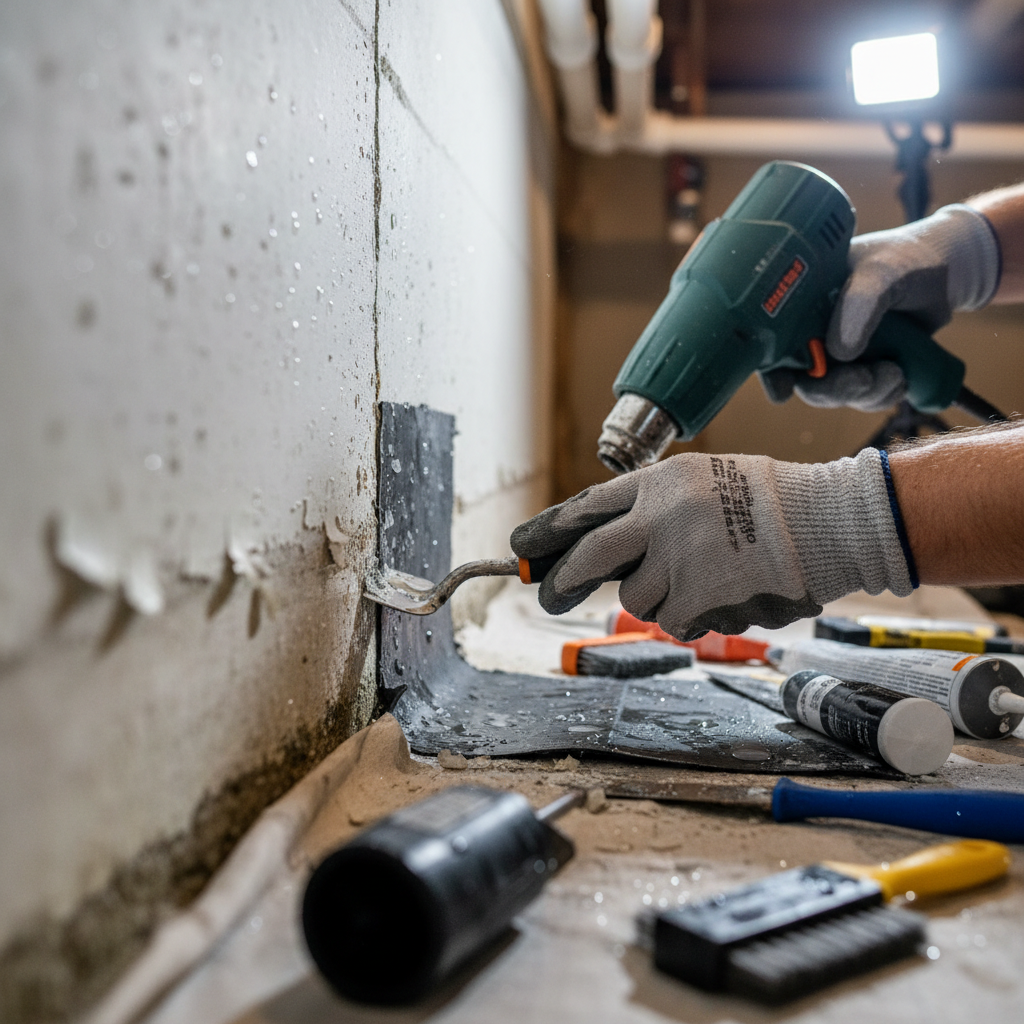
Sealing Small Foundation Cracks | $30 - $100 | $400 - $800 | 1-3 hours |
Insulating Pipes | $20 - $50 | $150 - $400 | 1-2 hours |
Weatherstripping Windows/Doors | $20 - $40 | $100 - $300 | 2-3 hours |
Sump Pump Replacement | $150 - $400 | $600 - $1,500 | 2-4 hours |
When to Call a Professional Water Damage
- If you have significant water intrusion or visible flooding.
- When you cannot determine the source of the leak after a thorough inspection.
- If you discover large, horizontal, or expanding cracks in your foundation.
- When you find mold growth covering an area larger than a few square feet.
- For any complex roof repairs, especially those involving flashing or recurring ice dams.
- For any plumbing repair that involves soldering pipes or working on main water lines.
- If your basement continues to flood despite having a sump pump.
Prevention Tips
- Clean gutters and downspouts in late fall and late spring.
- Ensure downspouts extend at least 5-10 feet away from the foundation.
- Perform an annual roof inspection to check for damaged shingles or flashing.
- Seal any minor foundation cracks you discover before they worsen.
- Insulate all water pipes located in unheated areas like crawlspaces, attics, and garages.
- Disconnect outdoor hoses and shut off the water supply to exterior spigots before the first freeze.
- Test your sump pump periodically and ensure it has a working battery backup.
- Trim tree branches away from your roofline to prevent damage and debris accumulation.
Frequently Asked Questions
Related Guides
Sewage Backup in House: Comprehensive Guide to Troubleshooting & Fixes (2024)
Sewage backing up in your home? A 25-year plumbing expert explains immediate actions to stop the mess, common causes (tree roots, clogs), and when to call a pro. Learn prevention tips & health risks.
Preventing Seasonal Water Damage In Your Home (Troubleshooting & Fixes)
A veteran technician's guide to preventing seasonal water damage. Learn how to spot trouble, diagnose leaks, and decide when to DIY or call a pro to fix it.
Crawl Space Water Problems: A 25-Year Pro's Guide to Identification, Fixes, & Prevention
A seasoned pro's guide to fixing crawl space water issues. Learn to spot symptoms, find causes like bad drainage, and decide if it's a DIY fix or time to call for help.
Toilet Overflowing? How to Stop the Flood and Fix the Problem (Pro Tips)
Toilet overflowing? Don't panic! Get expert plumbing advice on how to stop the flood, diagnose common causes like clogs or sewer line issues, and when to call a professional plumber. Prevent water damage with these troubleshooting steps.
Drying a Wet Carpet After a Leak (Troubleshooting & Fixes)
Comprehensive guide on how to dry a wet carpet after a leak. Learn to identify symptoms, causes, and step-by-step diagnosis. Covers DIY methods for small spills, critical 24-48 hour mold prevention, and when to call professional water damage restoration. Includes prevention tips and FAQs.
Navigating Water Damage Insurance Claims (A Veteran Tech's Guide)
A veteran's guide to navigating water damage insurance claims. Learn crucial steps, documentation tips, coverage insights, and how to get a fair payout for your home's water damage.
Need Professional Help?
Find top-rated water damage experts in your area