Quick Answer
null
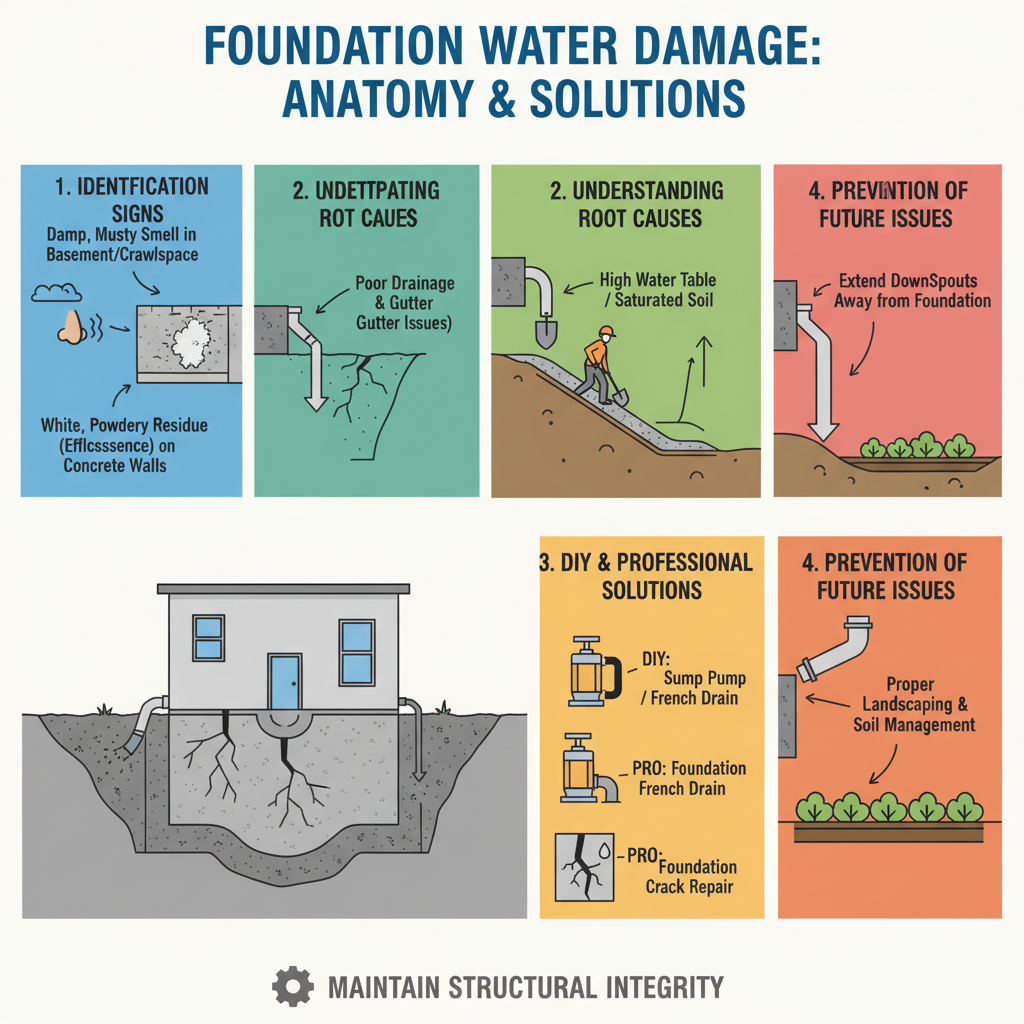
Common Symptoms
Possible Causes
Step-by-Step Diagnosis
Step 1
Walk the exterior of the house, especially during rain, to check gutters, downspouts, and soil grading.
Step 2
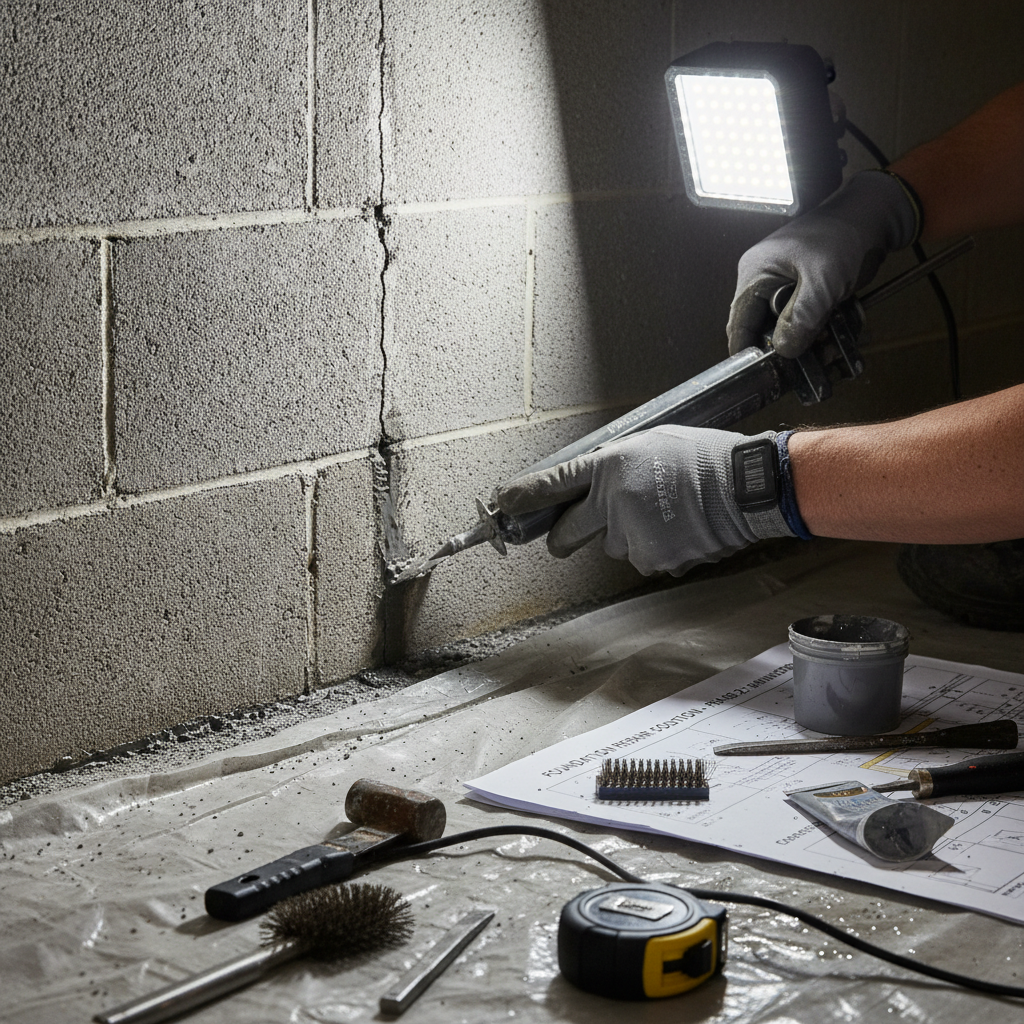
Inspect the visible foundation for cracks, noting their direction (vertical, horizontal, stair-step) and size.
Step 3
Go into the basement/crawlspace with a good flashlight to look for water stains, active leaks, mold, and efflorescence.
Step 4
Use a long level to check if walls are bowing or if floors are uneven, indicating structural movement.
Step 5
Check for hidden plumbing leaks by monitoring your water meter for an hour without using any water.
Step 6
Mark existing cracks with a pencil and date to see if they are actively growing over time.

DIY vs Professional Costs
| Repair Type | DIY Cost | Professional Cost | Time Required |
|---|---|---|---|
Gutter Cleaning & Downspout Extensions | $20 - $100 | $200 - $500 | 1-3 hours |
Sealing Minor Cracks (Injection Kit) | $50 - $150 | $300 - $700 | 1-2 hours per crack |
Interior Waterproofing (Sump Pump & Drain Tile) | Not Recommended | $4,000 - $15,000 | 2-4 days |
Major Structural Repair (Piers, Bracing) | NOT A DIY | $10,000 - $50,000+ | 1-2 weeks |
When to Call a Professional Water Damage
- You discover any horizontal cracks in the foundation wall.
- Foundation walls are visibly bowing or bulging inwards more than an inch.
- Cracks are wider than a quarter-inch or are actively growing longer.
- You have persistent water issues even after addressing gutters and grading.
- Doors and windows are sticking throughout the house, and floors feel uneven, indicating the entire structure is shifting.
Prevention Tips
- Clean your gutters and downspouts at least twice a year, without fail.
- Ensure all downspouts extend at least 5-10 feet away from your foundation.
- Check that the soil around your foundation slopes away from the house (a 6-inch drop over 10 feet is ideal).
- Avoid planting large trees and shrubs close to the foundation where roots can cause damage.
- Periodically inspect your basement and crawlspace for early signs of moisture or new cracks.
Frequently Asked Questions
Related Guides
Sewage Backup in House: Comprehensive Guide to Troubleshooting & Fixes (2024)
Sewage backing up in your home? A 25-year plumbing expert explains immediate actions to stop the mess, common causes (tree roots, clogs), and when to call a pro. Learn prevention tips & health risks.
Navigating Water Damage Insurance Claims (A Veteran Tech's Guide)
A veteran's guide to navigating water damage insurance claims. Learn crucial steps, documentation tips, coverage insights, and how to get a fair payout for your home's water damage.
Preventing Seasonal Water Damage In Your Home (Troubleshooting & Fixes)
A veteran technician's guide to preventing seasonal water damage. Learn how to spot trouble, diagnose leaks, and decide when to DIY or call a pro to fix it.
Crawl Space Water Problems: A 25-Year Pro's Guide to Identification, Fixes, & Prevention
A seasoned pro's guide to fixing crawl space water issues. Learn to spot symptoms, find causes like bad drainage, and decide if it's a DIY fix or time to call for help.
Attic Water Damage Troubleshooting & Fixes (2024 Guide)
Seeing water stains on your ceiling? A veteran tech explains how to find the source of attic water damage, what you can fix, and when to call a pro.
Foundation Water Damage (Troubleshooting & Fixes)
A veteran tech's guide to foundation water damage. Learn to spot signs like musty smells and cracks, understand causes, and find DIY and pro solutions.
Need Professional Help?
Find top-rated water damage experts in your area