Quick Answer
Okay so here's the quick version. Your toilet's overflowing, water's headed for the door, and you're panicking. First, shut off the water supply valve behind the toilet. Now. Don't even finish reading this, go do it. Back? Good. Nine times out of ten it's a simple clog you can fix with a good plunger. If that doesn't work, it might be a broken part inside the tank—like a flapper that's not sealing or a fill valve that's overfilling past the overflow tube—which is often a $15-$40 DIY fix for the part itself. However, if other drains are gurgling or backing up, you likely have a bigger, more serious problem in your main sewer line. That's when you definitely need to call a professional plumber.
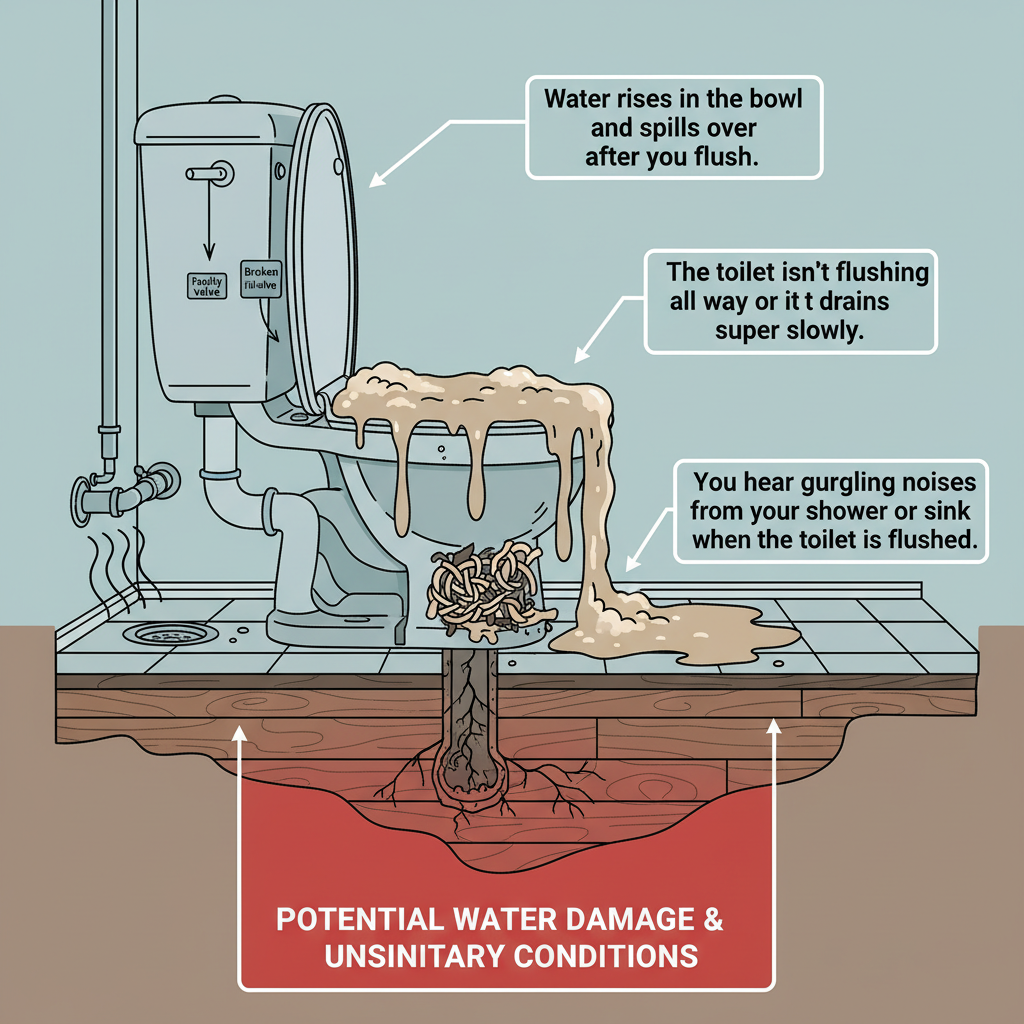
Common Symptoms
Possible Causes
Step-by-Step Diagnosis
Step 1
IMMEDIATELY turn off the water supply valve behind the toilet by turning it clockwise until it stops. This is the most crucial first step to prevent further water damage.
Step 2
If water is still rising in the bowl, lift the tank lid and press down on the flapper (the rubber seal at the bottom of the tank) to ensure it's fully closed.
Step 3
Use a high-quality flange plunger (the kind with an extension lip) to attempt to clear a localized clog in the toilet. Plunge vigorously for 10-15 cycles, maintaining a tight seal.
Step 4
If plunging fails, try using a toilet auger (closet auger) to carefully clear any blockage in the toilet's internal trap. Do not use a drain snake meant for pipes as it can scratch porcelain.
Step 5
With the water supply off and tank lid removed, inspect the internal components: check if the flapper is old, damaged, or prevents a proper seal. Confirm the fill valve shuts off when the tank is full (water level should be about 1 inch below the overflow tube). Check if the float mechanism moves freely.
Step 6
Test other drains in your home (sinks, showers) by running water. If they drain slowly, gurgle, or back up, the problem likely extends beyond the toilet to your main sewer line.
Step 7
If you suspect a main sewer line issue, carefully locate and inspect your main sewer cleanout (usually outside your home) for signs of backup. Exercise extreme caution as raw sewage can spill out if opened improperly.
DIY vs Professional Costs
| Repair Type | DIY Cost | Professional Cost | Time Required |
|---|---|---|---|
Plunging a Simple Clog | $10-30 | $100-200 | 5 minutes |
Using a Toilet Auger | $25-50 | $150-350 | 15-30 minutes |
Replacing Tank Parts (Flapper/Fill Valve) | $15-40 | $150-300 | 1 hour |
Snaking a Main Line | N/A | $250-800 | 1-3 hours |
When to Call a Professional Water Damage
- When more than one drain in your house is backing up. This is a clear sign of a main sewer line blockage that you can't fix yourself.
- If you've tried a plunger and a toilet auger and the clog still won't clear. The blockage is too far down the pipe for DIY tools.
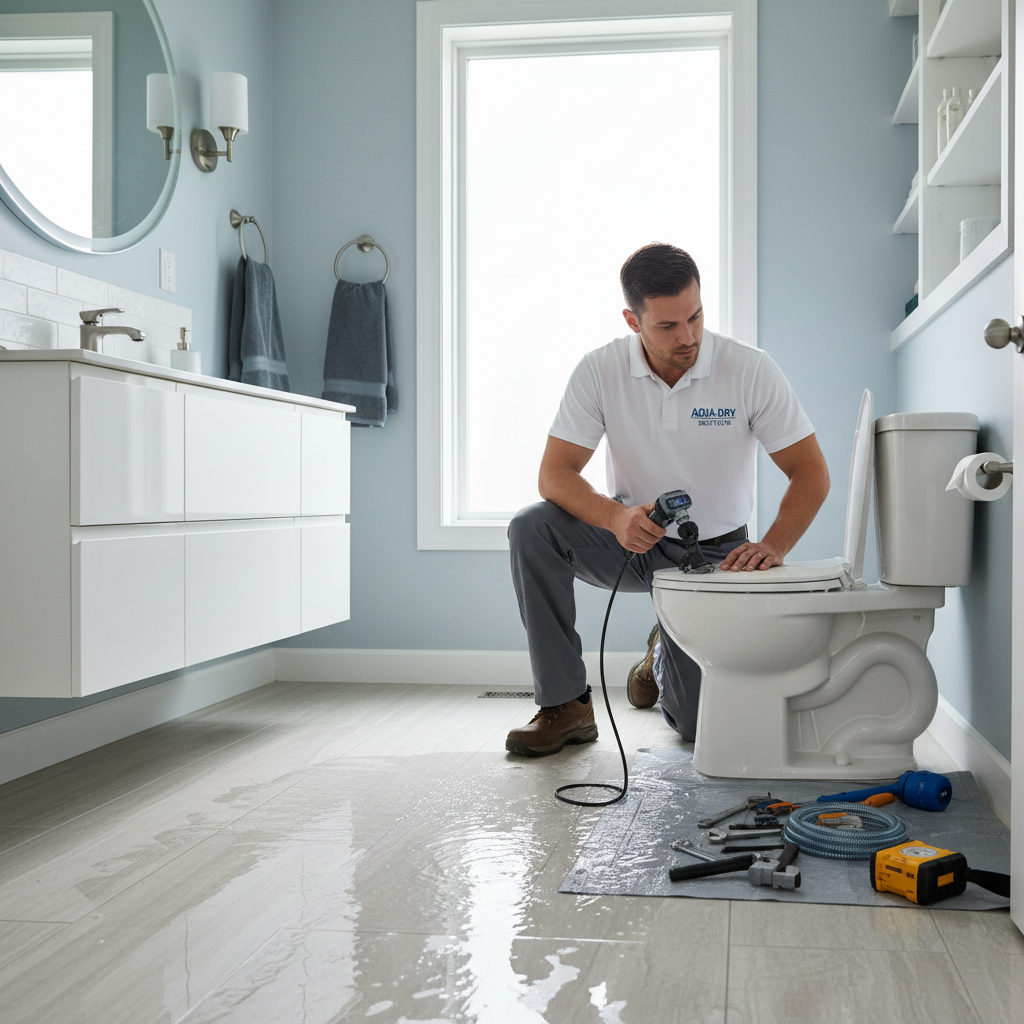
- If you have large trees and suspect roots are the problem. You'll need a pro with a power auger and a camera.
- If the water overflowing is actual sewage. That's a biohazard and you may need professional help for the cleanup as well as the plumbing repair.
- If you're just not comfortable doing the work. There's no shame in calling for help before you accidentally crack the porcelain or cause a bigger leak.
Prevention Tips
- Never flush anything except human waste and toilet paper. Your toilet is not a trash can.
- Absolutely do not flush so-called 'flushable' wipes, paper towels, dental floss, Q-tips, or any hygiene products.
- Keep a small trash can next to the toilet for all the non-flushable stuff.
- Tell your kids that the toilet isn't a swimming pool for their action figures.
- If you have big trees and an old house, consider getting your main sewer line inspected with a camera every few years to check for root intrusion.
Frequently Asked Questions
Related Guides
Sewage Backup in House: Comprehensive Guide to Troubleshooting & Fixes (2024)
Sewage backing up in your home? A 25-year plumbing expert explains immediate actions to stop the mess, common causes (tree roots, clogs), and when to call a pro. Learn prevention tips & health risks.
Preventing Seasonal Water Damage In Your Home (Troubleshooting & Fixes)
A veteran technician's guide to preventing seasonal water damage. Learn how to spot trouble, diagnose leaks, and decide when to DIY or call a pro to fix it.
Crawl Space Water Problems: A 25-Year Pro's Guide to Identification, Fixes, & Prevention
A seasoned pro's guide to fixing crawl space water issues. Learn to spot symptoms, find causes like bad drainage, and decide if it's a DIY fix or time to call for help.
Toilet Overflowing? How to Stop the Flood and Fix the Problem (Pro Tips)
Toilet overflowing? Don't panic! Get expert plumbing advice on how to stop the flood, diagnose common causes like clogs or sewer line issues, and when to call a professional plumber. Prevent water damage with these troubleshooting steps.
Drying a Wet Carpet After a Leak (Troubleshooting & Fixes)
Comprehensive guide on how to dry a wet carpet after a leak. Learn to identify symptoms, causes, and step-by-step diagnosis. Covers DIY methods for small spills, critical 24-48 hour mold prevention, and when to call professional water damage restoration. Includes prevention tips and FAQs.
Navigating Water Damage Insurance Claims (A Veteran Tech's Guide)
A veteran's guide to navigating water damage insurance claims. Learn crucial steps, documentation tips, coverage insights, and how to get a fair payout for your home's water damage.
Need Professional Help?
Find top-rated water damage experts in your area