Quick Answer
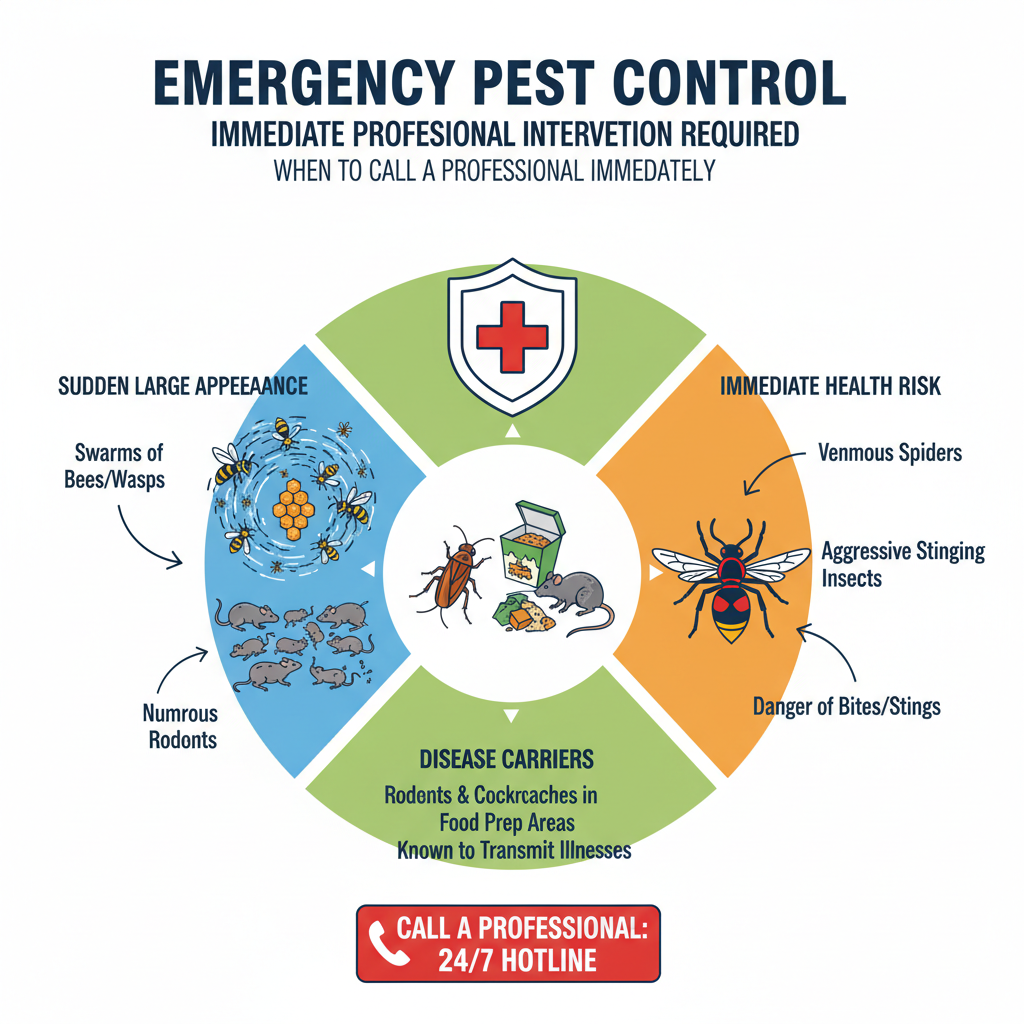
If you're facing a pest problem that presents an immediate threat to health, safety, or structural integrity, it's an emergency. This includes swarms of dangerous insects, venomous spiders in living areas, evidence of significant structural damage from termites or carpenter ants, or pervasive infestations of disease-carrying pests like rats, cockroaches, or bed bugs. Don't attempt DIY solutions which can worsen the problem; contact a professional pest control service for immediate assessment and treatment. An emergency call typically costs $200-$600+.
Common Symptoms
Possible Causes
Step-by-Step Diagnosis
Step 1
Identify the pest from a safe distance. Use your phone's camera to zoom in and take a picture. Don't get close if you don't know what it is.
Step 2
Assess the severity of the infestation. Look for evidence in multiple locations. Check dark, undisturbed areas like under sinks, behind appliances, and in attic corners. More locations mean a bigger problem.
Step 3
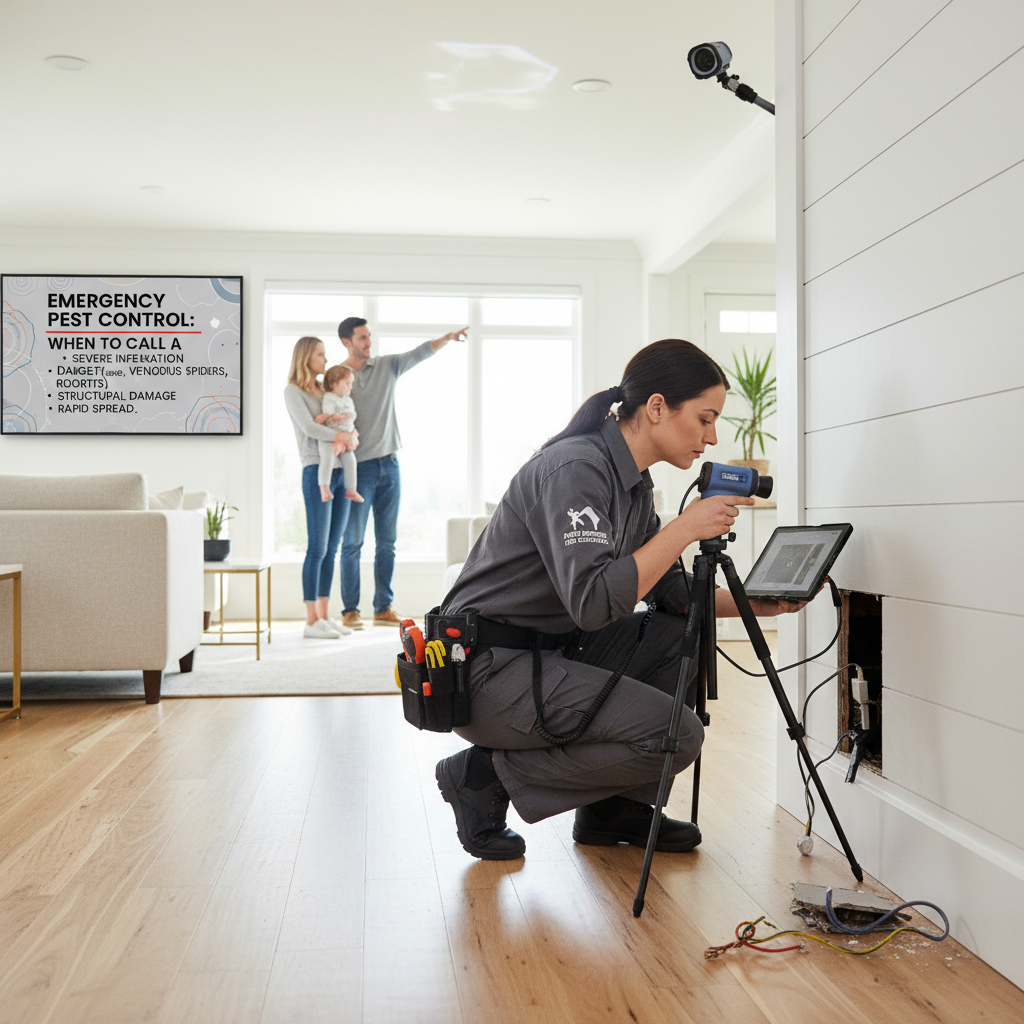
Identify potential entry points. Use a bright flashlight to inspect your home's foundation, weather stripping, and areas where utilities enter the house for gaps or cracks.
Step 4
Check for immediate dangers. Look for venomous pests, signs of aggressive behavior (like wasps guarding a nest), or structural damage like gnawed electrical wires.
Step 5
Evaluate the location of the infestation. A pest in the garage is a nuisance; a pest in the kitchen, a child's bedroom, or near electrical panels is an emergency.
DIY vs Professional Costs
| Repair Type | DIY Cost | Professional Cost | Time Required |
|---|---|---|---|
Minor Pest Prevention (Sealing gaps, basic traps) | $10-100 | $200-500 | 1-3 hours |
Emergency Wasp/Hornet Nest Removal | $20-50 (Extremely Risky) | $250-750 | 1-2 hours |
Heavy Rodent Infestation Treatment | $50-200 (Often Ineffective) | $400-1500+ | 2-4 hours + Follow-ups |
Active Termite Treatment (e.g., liquid barrier) | N/A | $1,200-8,000+ | 1-2 days |
Bed Bug Eradication (Heat or Chemical) | Don't try it. | $1,500-6,000+ | 4-8 hours per treatment |
When to Call a Professional Pest Control
- You discover pests that are venomous or known to be aggressive, like Black Widows, Brown Recluse spiders, or a large, active wasp or hornet nest near your home.
- You find evidence of structural pests like termites (mud tubes, frass) or carpenter ants. The longer you wait, the more damage they do.
- There are signs of a significant rodent or cockroach infestation in your kitchen, pantry, or other living spaces, posing a direct health risk.
- You suspect you have bed bugs. Do not attempt DIY treatment; you will likely just spread the infestation.
- The pest nest is located in an inaccessible or dangerous location, such as inside a wall, in an attic, or high up on the exterior of your house.
Prevention Tips
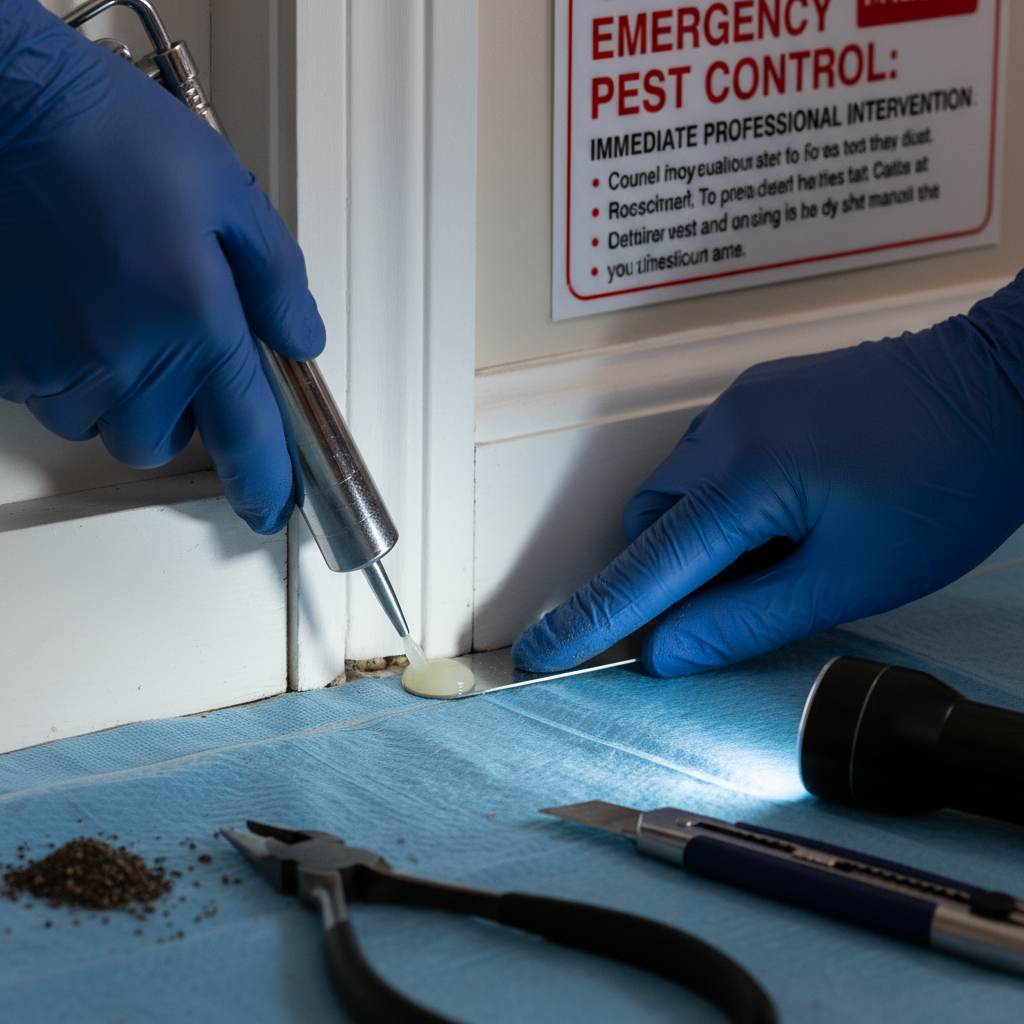
- Seal up entry points using caulk and expanding foam, paying close attention to where pipes and wires enter the house. A mouse only needs a dime-sized hole.
- Maintain strict cleanliness in the kitchen. Store food in airtight containers, clean up spills immediately, and don't leave pet food out overnight.
- Control moisture by fixing leaks, ensuring gutters drain properly, and using a dehumidifier in damp basements or crawl spaces.
- Manage your landscaping. Keep shrubs trimmed away from the house, store firewood far from the foundation, and eliminate any sources of standing water.
- Perform regular self-inspections of your attic, basement, and storage areas. Look for droppings, chew marks, or other early signs of pest activity.
Frequently Asked Questions
Related Guides
Safe Rodent Cleanup: How a Pro Handles Droppings & Nests (Troubleshooting & Fixes)
A veteran tech's guide to safely cleaning rodent droppings and nests. Learn what gear to use, the risks of diseases like Hantavirus, and when to call a pro.
Termite Damage vs. Water Damage: How to Tell the Difference (Troubleshooting & Fixes)
A veteran tech explains how to tell termite damage from water damage. Learn the signs, from mud tubes to mushy wood, and what to do next to protect your home.
Emergency Pest Control: When to Call a Professional Immediately
Learn when a pest problem becomes an emergency. Identify dangerous pests, signs of structural damage, or health risks that demand immediate professional pest control. Expert advice from a 25-year veteran.
Horrible Smell in House: Dead Animal Odor Troubleshooting
Comprehensive BizzFactor guide to diagnosing and completely eliminating foul odors from dead animals in your home. Learn how to locate the source, safely remove carcasses, disinfect, neutralize lingering smells, and prevent future pest infestations with practical tips and expert advice.
Bed Bug, Flea, or Mosquito Bites? (Troubleshooting & Fixes)
Are those itchy red spots bed bug, flea, or mosquito bites? This expert guide helps you identify the culprit with detailed descriptions, patterns, and infestation signs. Learn effective diagnosis steps, DIY fixes, and when to call a pro for each pest.
Keeping Critters Out: A Year-Round Pest Control Checklist (Troubleshooting & Fixes)
A seasoned tech's guide to a seasonal pest prevention checklist. Learn the signs, causes, and DIY fixes to keep your home pest-free all year long.
Need Professional Help?
Find top-rated pest control experts in your area