Quick Answer
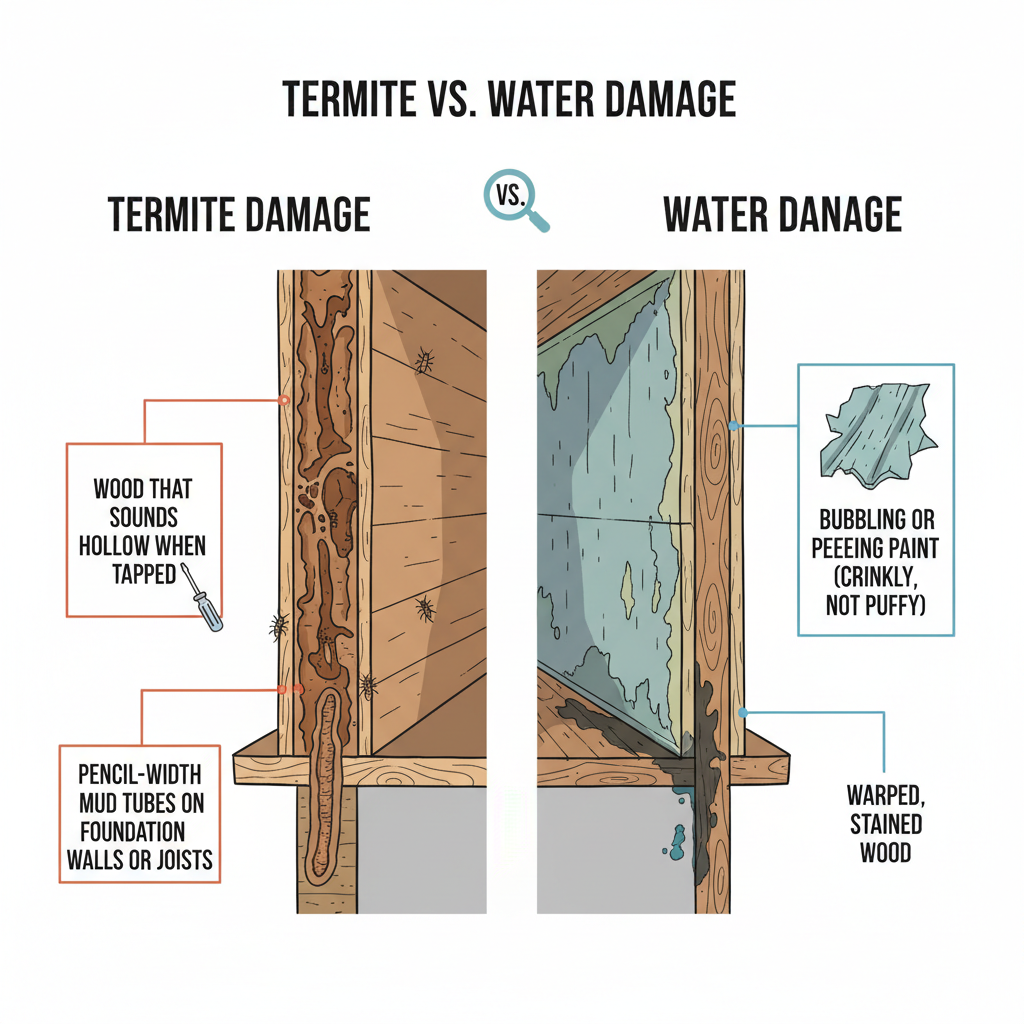
Water damage usually makes wood soft, spongy, and might smell musty or moldy. Stains are typically dark and spread out. Termite damage, on the other hand, makes wood sound hollow when tapped, and if you break a piece, you might see tiny tunnels or 'galleries' inside. Key indicators for termites are pencil-width mud tubes on foundations or tiny piles of what looks like sawdust – this is termite droppings (frass). Identifying the issue is crucial: fixing a minor leak is relatively inexpensive, but termite infestation can lead to thousands in repair costs.
Common Symptoms
Possible Causes
Step-by-Step Diagnosis
Step 1
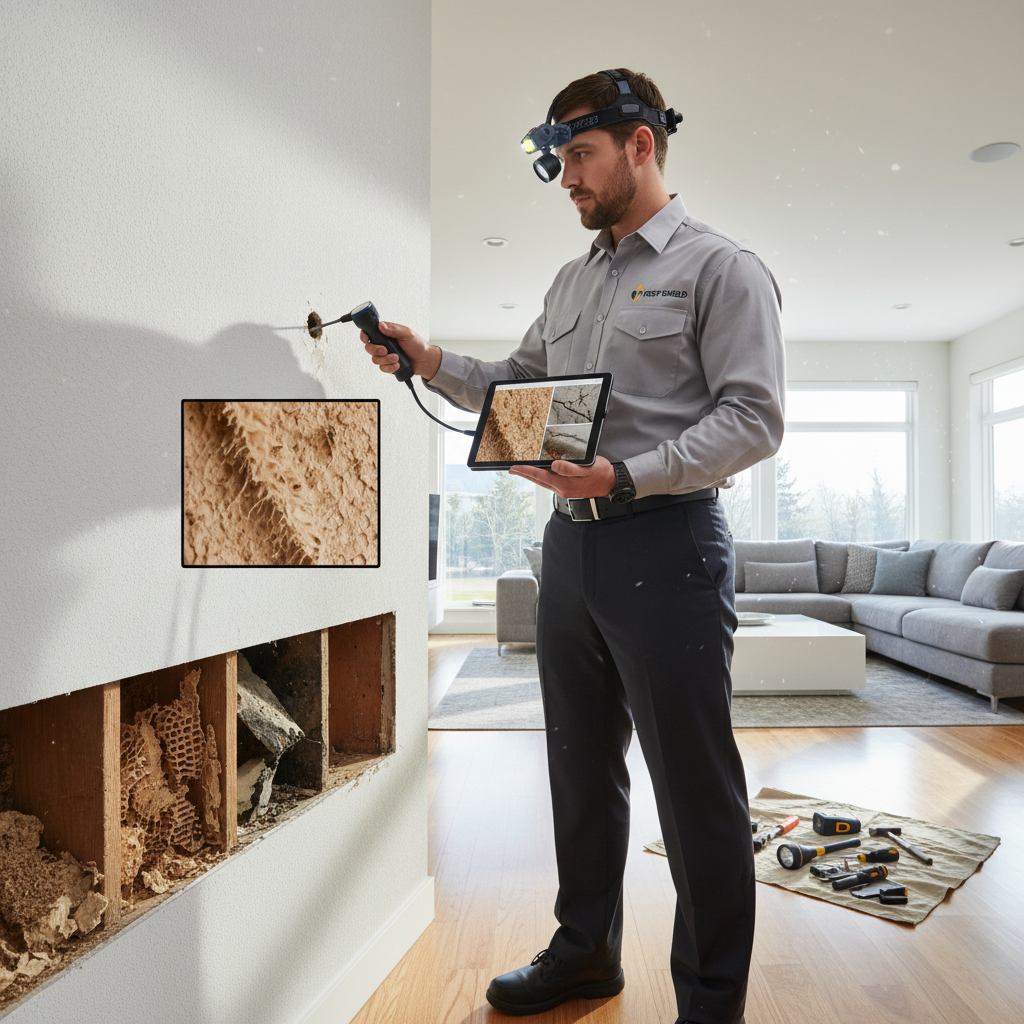
Visual Inspection. Do a slow walk-around and look for obvious clues like dark water stains vs. mud tubes.
Step 2
Tap Test. Use a screwdriver handle to tap along baseboards and trim, listening for a change from a solid to a hollow sound.
Step 3
Probe Test. Gently push a screwdriver tip into a damaged area to feel if it's spongy (water) or hollow (termites).
Step 4
Mud Tube Test. If mud tubes are present, break a small one-inch section and check back in a day or two to see if it's been repaired.
Step 5
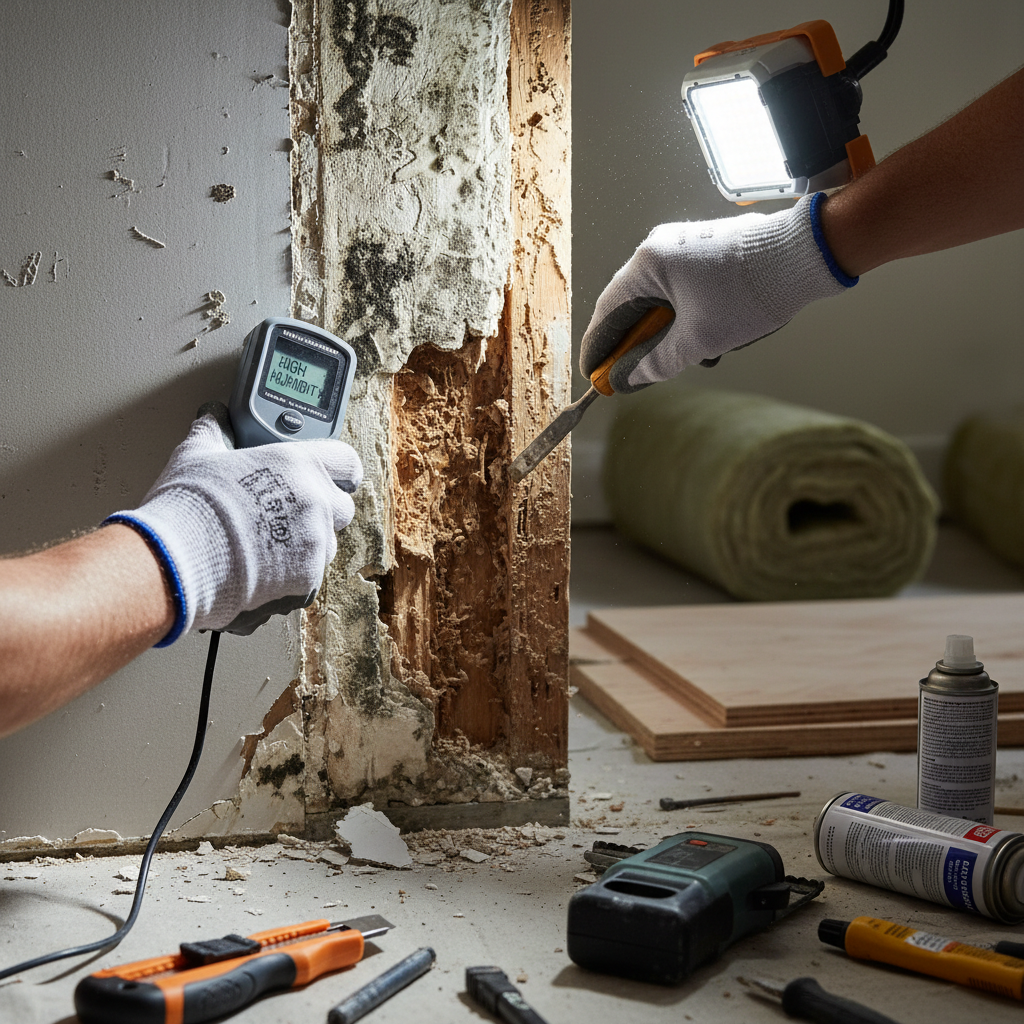
Moisture Meter Check. Use a moisture meter to determine if the damaged wood is currently wet (water issue) or dry (likely termites or old damage).
DIY vs Professional Costs
| Repair Type | DIY Cost | Professional Cost | Time Required |
|---|---|---|---|
Professional Termite Inspection | $0 | $0 - $250 | 1-2 hours |
Termite Treatment (Whole House) | N/A | $800 - $8,000+ | 1-2 days |
Minor Water Leak Repair | $20 - $150 | $150 - $600 | 1-3 hours |
Structural Wood Repair (e.g., joist) | $100 - $750+ | $1,000 - $15,000+ | 1 day to 1 week+ |
When to Call a Professional Pest Control
- You see definitive signs of termites: mud tubes, discarded wings, or the insects themselves.
- The damage appears structural, causing floors or ceilings to sag or feel spongy.
- You can't determine the source of a water leak, even with a moisture meter.
- You see or smell mold, which indicates a serious moisture problem that can be a health hazard.
- The scope of the damage is simply beyond your comfort level or toolset.
Prevention Tips
- Ensure gutters and downspouts direct water far away from your foundation.
- Eliminate all wood-to-ground contact around your home's exterior.
- Seal any cracks or gaps in your foundation and around utility entry points.
- Reduce moisture in basements and crawl spaces with a dehumidifier and proper ventilation.
- Avoid stacking firewood or other wood debris against the house.
- Perform a visual self-inspection of your home's interior and exterior at least twice a year.
Frequently Asked Questions
Related Guides
Safe Rodent Cleanup: How a Pro Handles Droppings & Nests (Troubleshooting & Fixes)
A veteran tech's guide to safely cleaning rodent droppings and nests. Learn what gear to use, the risks of diseases like Hantavirus, and when to call a pro.
Termite Damage vs. Water Damage: How to Tell the Difference (Troubleshooting & Fixes)
A veteran tech explains how to tell termite damage from water damage. Learn the signs, from mud tubes to mushy wood, and what to do next to protect your home.
Emergency Pest Control: When to Call a Professional Immediately
Learn when a pest problem becomes an emergency. Identify dangerous pests, signs of structural damage, or health risks that demand immediate professional pest control. Expert advice from a 25-year veteran.
Horrible Smell in House: Dead Animal Odor Troubleshooting
Comprehensive BizzFactor guide to diagnosing and completely eliminating foul odors from dead animals in your home. Learn how to locate the source, safely remove carcasses, disinfect, neutralize lingering smells, and prevent future pest infestations with practical tips and expert advice.
Bed Bug, Flea, or Mosquito Bites? (Troubleshooting & Fixes)
Are those itchy red spots bed bug, flea, or mosquito bites? This expert guide helps you identify the culprit with detailed descriptions, patterns, and infestation signs. Learn effective diagnosis steps, DIY fixes, and when to call a pro for each pest.
Keeping Critters Out: A Year-Round Pest Control Checklist (Troubleshooting & Fixes)
A seasoned tech's guide to a seasonal pest prevention checklist. Learn the signs, causes, and DIY fixes to keep your home pest-free all year long.
Need Professional Help?
Find top-rated pest control experts in your area