Quick Answer
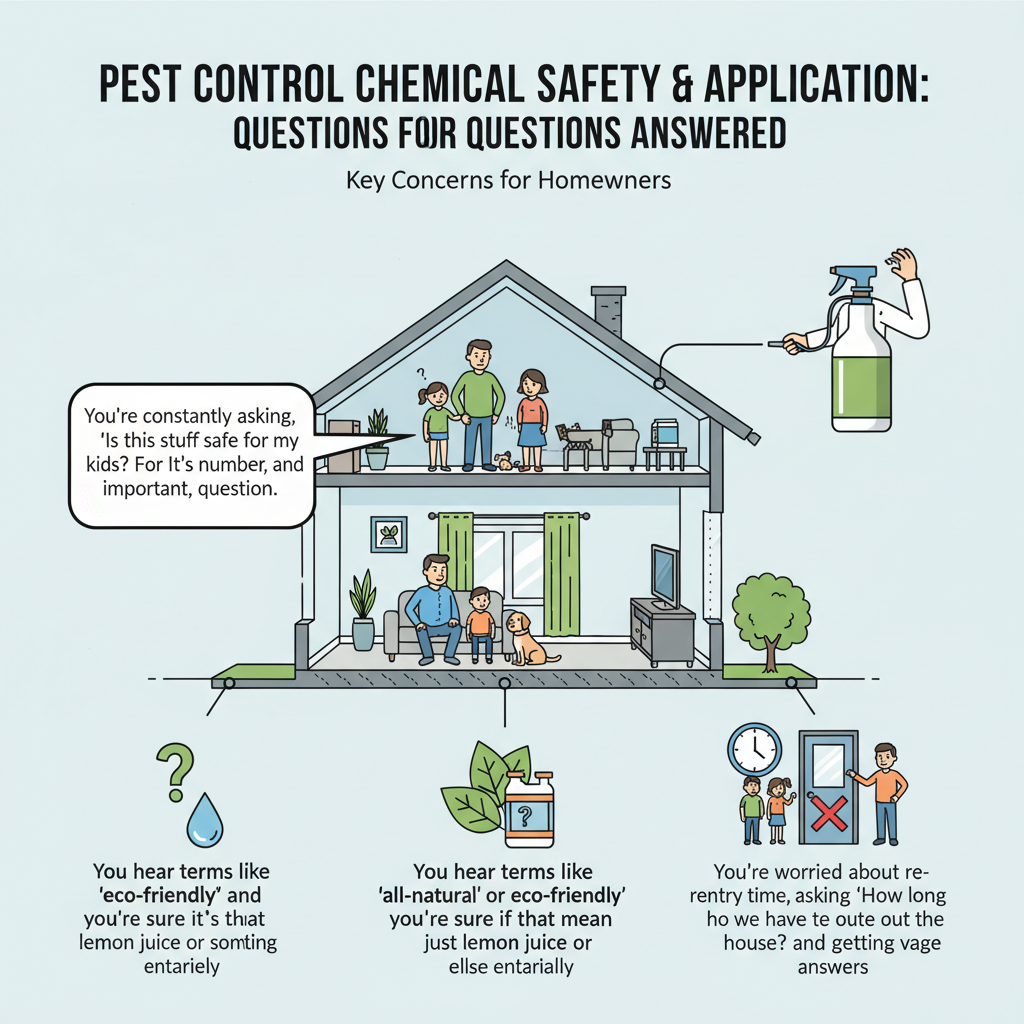
Okay, so what's the deal with the chemicals we bug guys use? I get it. You've got kids, a dog, maybe a cat that licks everything. The key is knowing what to ask *before* you let anyone spray. Always ask for the exact product name, the active ingredient, and a copy of the label or a Safety Data Sheet (SDS). Any tech worth his salt will have this on his truck. If they dodge the question or get weird about it, hang up the phone. A basic, safe treatment for something like ants will run you $150-$400, but peace of mind is what you're really paying for.
Common Symptoms
Possible Causes
Step-by-Step Diagnosis
Step 1
Identify your pest. A photo from your phone is worth its weight in gold. Knowing if you have German cockroaches or American cockroaches changes the entire treatment plan.
Step 2
Do a quick Google search for 'common pesticides for [your pest]'. Just familiarize yourself with a few chemical names so you can spot a technician who is bluffing.
Step 3
When you call a company, ask them specific questions. 'What's your typical method for this?' and 'What are the main active ingredients you use for that problem?'
Step 4
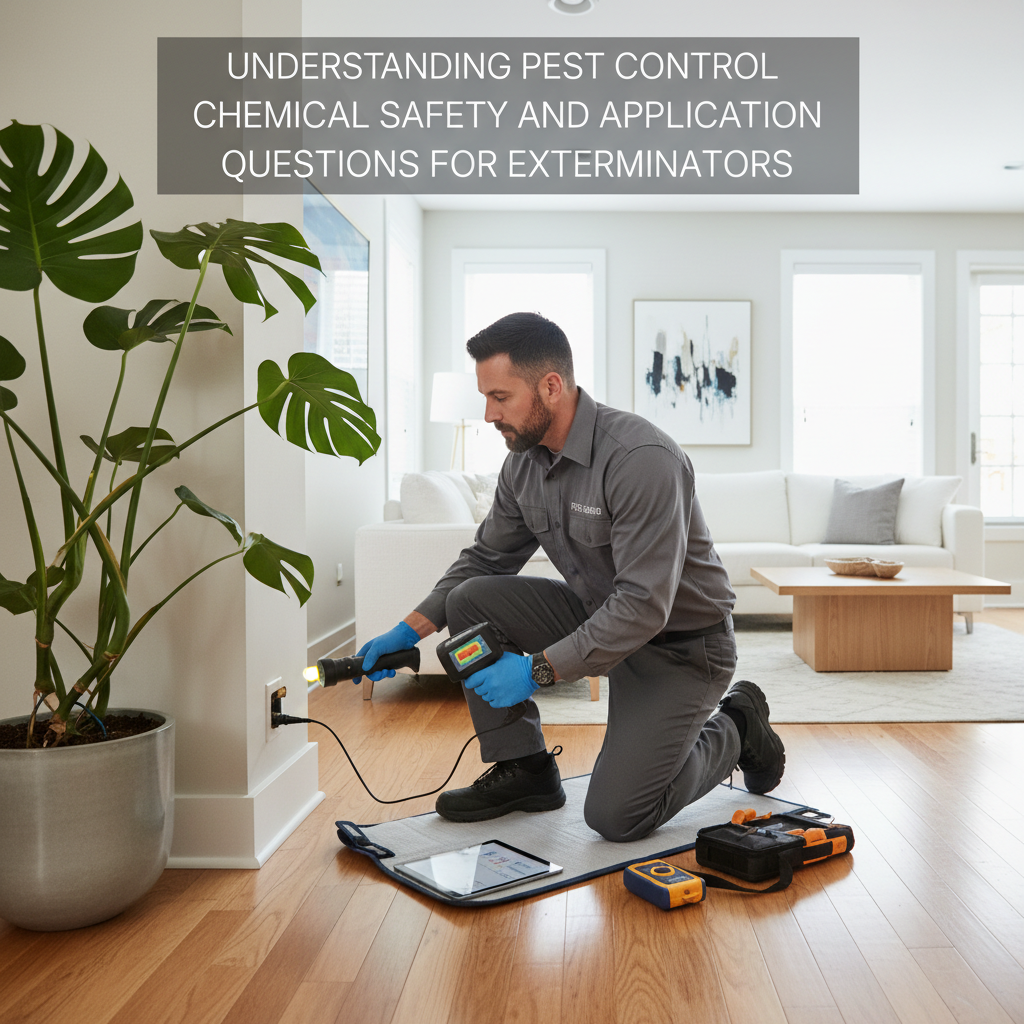
This is the crucial one. Ask for the product's 'specimen label' and its 'Safety Data Sheet' (SDS). If they can't or won't provide them, that's a massive red flag. Hang up and call someone else.
Step 5
Call at least three companies. Compare who gives you straight answers, who seems to actually know their stuff, and who doesn't treat you like you're an inconvenience.
DIY vs Professional Costs
| Repair Type | DIY Cost | Professional Cost | Time Required |
|---|---|---|---|
Standard Ant Infestation Treatment | $25 - $75 | $150 - $400 | On-going vs. 1-2 hours |
When to Call a Professional Pest Control
- Your DIY methods have failed. If you've sprayed and put down baits for two weeks and they're still coming, it's time to stop wasting money.
- You're dealing with anything that stings and swarms, like wasps or hornets. It's not worth the risk to your health. My bee suit costs hundreds of dollars for a reason.
- You see signs of termites or carpenter ants. This is a non-negotiable. Trying to DIY a structural pest problem is a recipe for financial disaster.
- You have bed bugs. Don't even try to treat these yourself. You will fail and likely spread them, making the professional treatment more difficult and expensive when you finally call.
- You have a widespread or persistent problem, like a major roach infestation or rodents in the walls. These require professional tools, knowledge, and products you just can't buy at the store.
Prevention Tips
- Keep your kitchen clean. Wipe up crumbs, store food in airtight containers, and don't leave pet food out. You're closing down the all-night buffet.
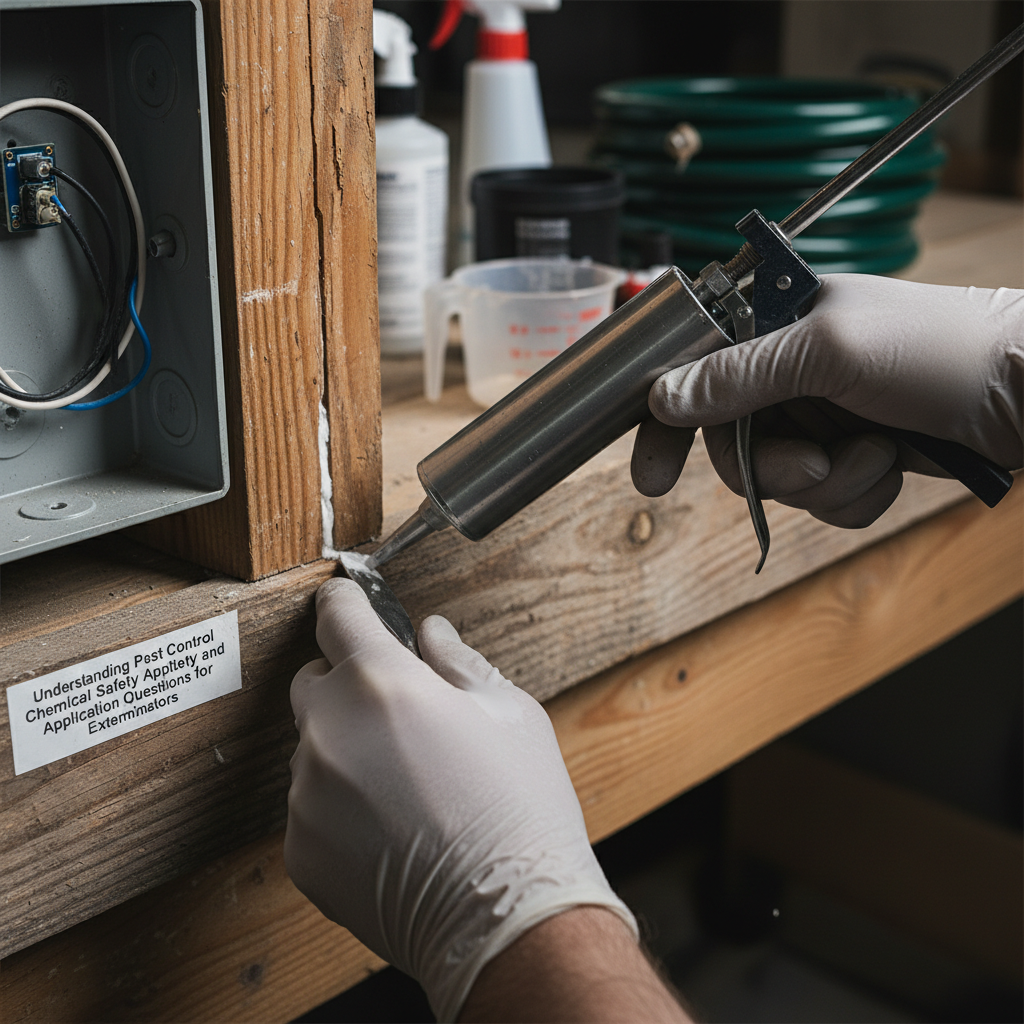
- Seal up entry points. Use copper mesh and caulk to seal gaps around pipes, wires, and cracks in the foundation. A mouse can fit through a hole the size of a dime.
- Eliminate water sources. Fix leaky faucets and make sure your gutters drain properly. A damp basement is a paradise for pests.
- Keep your yard tidy. Move firewood stacks away from the house and trim back any bushes or tree limbs that touch the walls or roof.
- Inspect everything you bring into the house. Check delivery boxes, grocery bags, and especially second-hand furniture for any unwelcome hitchhikers.
Frequently Asked Questions
Related Guides
Safe Rodent Cleanup: How a Pro Handles Droppings & Nests (Troubleshooting & Fixes)
A veteran tech's guide to safely cleaning rodent droppings and nests. Learn what gear to use, the risks of diseases like Hantavirus, and when to call a pro.
Pest Control Chemical Safety: What to Ask Your Exterminator
A veteran exterminator's guide to asking the right questions about pest control chemicals. Learn how to ensure your family's safety and get a treatment that actually works.
Attic Noises: Is It Bats or Rats? (A Pro's Guide to Telling the Difference)
Hearing strange noises in your attic? Learn to tell if it's bats, mice, rats, or squirrels with this expert guide. Discover key signs like sounds, droppings, and entry points, plus effective DIY prevention tips and when to call a professional for safe removal and exclusion.
Pantry Pests: The Ultimate Troubleshooting & Fixes for a Bug-Free Kitchen (2024 Guide)
A veteran tech's guide to pantry pests. Learn to spot the signs, get rid of them for good, and prevent them from ever coming back. Stop wasting food.
Termite Damage vs. Water Damage: How to Tell the Difference (Troubleshooting & Fixes)
A veteran tech explains how to tell termite damage from water damage. Learn the signs, from mud tubes to mushy wood, and what to do next to protect your home.
Emergency Pest Control: When to Call a Professional Immediately
Learn when a pest problem becomes an emergency. Identify dangerous pests, signs of structural damage, or health risks that demand immediate professional pest control. Expert advice from a 25-year veteran.
Need Professional Help?
Find top-rated pest control experts in your area