Quick Answer
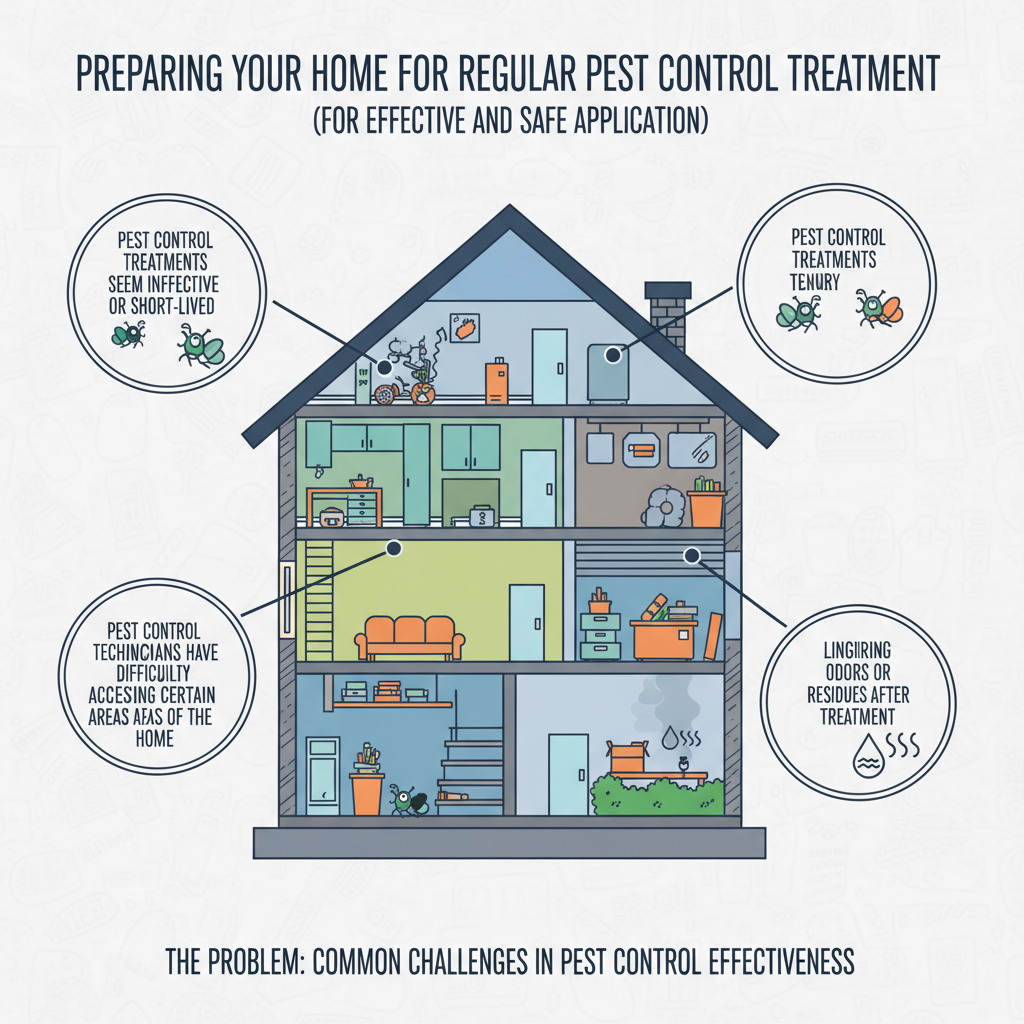
Okay, so here's the quick version. If you want your pest control treatment to actually work, you gotta do about 30-60 minutes of prep work. I've been doing this for over 25 years, and the biggest reason treatments fail is because I can't get my product where the bugs are hiding. You need to clean up, especially in the kitchen, and move furniture about a foot away from the walls. This costs you nothing but a little bit of time and elbow grease, but it makes the difference between wasting your money and actually getting rid of the pests.
Common Symptoms
Possible Causes
Step-by-Step Diagnosis
Step 1
Review the specific instructions provided by your pest control company, as they may vary based on the type of pest and treatment.
Step 2
Walk through your home, room by room, identifying areas of clutter and any furniture that needs to be moved away from walls.
Step 3
Focus on the kitchen and bathrooms: plan to clear all countertops and wipe them down.
Step 4
Check your pantry and counters for any open food items that need to be sealed in airtight containers or placed in the refrigerator.
Step 5
Identify pet food/water bowls, children's toys, and other sensitive items that need to be removed or covered.
Step 6
If the treatment is for bed bugs, prepare for the extensive process of laundering all fabrics and bagging personal items as instructed.
Step 7
Make a list of questions or concern areas (where you've seen the most pests) to discuss with the technician upon their arrival.

DIY vs Professional Costs
| Repair Type | DIY Cost | Professional Cost | Time Required |
|---|---|---|---|
General Pest Control Prep | $0 - $20 (cleaning supplies) | N/A (Rarely offered) | 1-3 hours |
Moving Furniture Away From Walls | $0 | $150 - $400 (if you hire movers) | 30-60 minutes |
Bed Bug Treatment Prep | $20 - $100 (laundry, bags) | $300 - $800+ | 8-16 hours |
Extreme Clutter / Hoarder Clean-out | N/A | $500 - $5,000+ | Days to Weeks |
When to Call a Professional Pest Control
- If you are physically unable to perform the necessary preparation tasks like moving heavy furniture.
- When you require specialized prep for a severe bed bug infestation and cannot manage the extensive laundry and bagging process yourself.
- If you have an extreme clutter or hoarding situation that makes it impossible for a technician to access the treatment areas.
- If you have severe anxiety about chemical safety and prefer to have a professional service handle every aspect of the preparation, including covering and protecting items.
Prevention Tips
- Declutter regularly, especially along baseboards and in corners where pests love to hide.
- Store all food, including pet food, in airtight glass or plastic containers.
- Wipe down kitchen counters and sweep floors daily to remove crumbs and food sources.
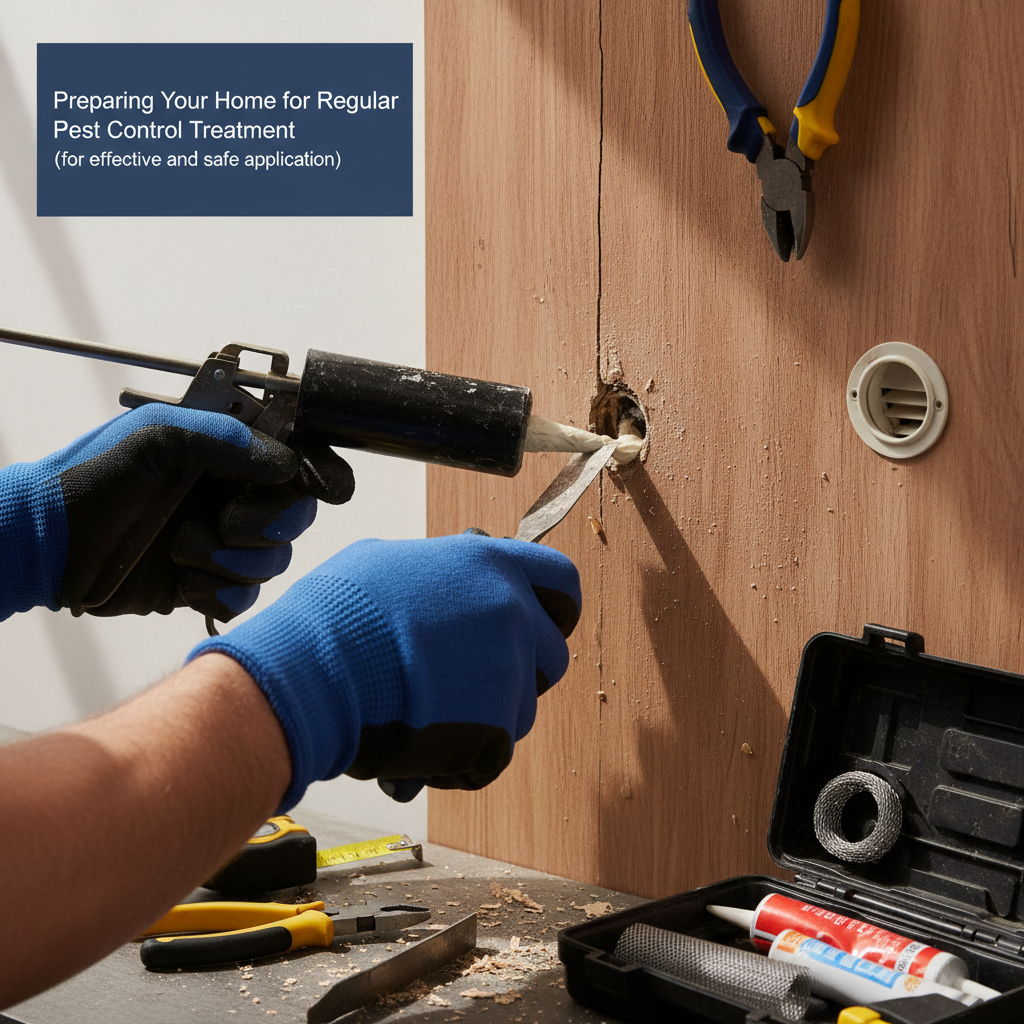
- Use caulk to seal cracks and crevices in walls, particularly around pipes under sinks.
- Keep landscaping, bushes, and firewood away from your home's foundation.
- Always follow the specific pre- and post-treatment instructions from your pest control technician.
Frequently Asked Questions
Related Guides
Hiring an Exterminator? Let's Talk About Chemical Safety (My Troubleshooting Guide)
A veteran exterminator's guide to asking the right questions about pest control chemicals. Learn how to ensure your family's safety and get a treatment that actually works.
Safe Rodent Cleanup: How a Pro Handles Droppings & Nests (Troubleshooting & Fixes)
A veteran tech's guide to safely cleaning rodent droppings and nests. Learn what gear to use, the risks of diseases like Hantavirus, and when to call a pro.
Preparing Your Home for Pest Control Treatment (for effective and safe application) Troubleshooting & Fixes (2024 Guide)
A veteran pest technician explains how to prep your home for pest control so it actually works. Learn the simple steps to make your treatment effective.
Emergency Pest Control: When to Call a Pro Right Now (Troubleshooting & Fixes)
Seeing a swarm of pests or property damage? Some situations are pest emergencies. Learn from a 25-year vet when to stop DIY and call a pro immediately.
Bed Bug, Flea, or Mosquito Bites? (Troubleshooting & Fixes)
Waking up with itchy bites? This guide from a 25-year pest control vet helps you identify bed bug, flea, or mosquito bites and shows you what to do next.
Termite Damage vs. Water Damage: How to Tell the Difference (Troubleshooting & Fixes)
A veteran tech explains how to tell termite damage from water damage. Learn the signs, from mud tubes to mushy wood, and what to do next to protect your home.
Need Professional Help?
Find top-rated pest control experts in your area