Quick Answer
Okay, so here's the quick version. Keeping your house pest-free isn't a one-and-done deal; it's a four-seasons job. Most of the time, the problem's simple: your house has got holes, and you're leaving a free buffet out. You gotta seal up every crack you can find and get militant about crumbs and trash. A little caulk and some good cleaning habits will solve 80% of your problems before they ever start. You can do most of this yourself for under $50, but a recurring issue might mean calling a pro for a few hundred bucks.
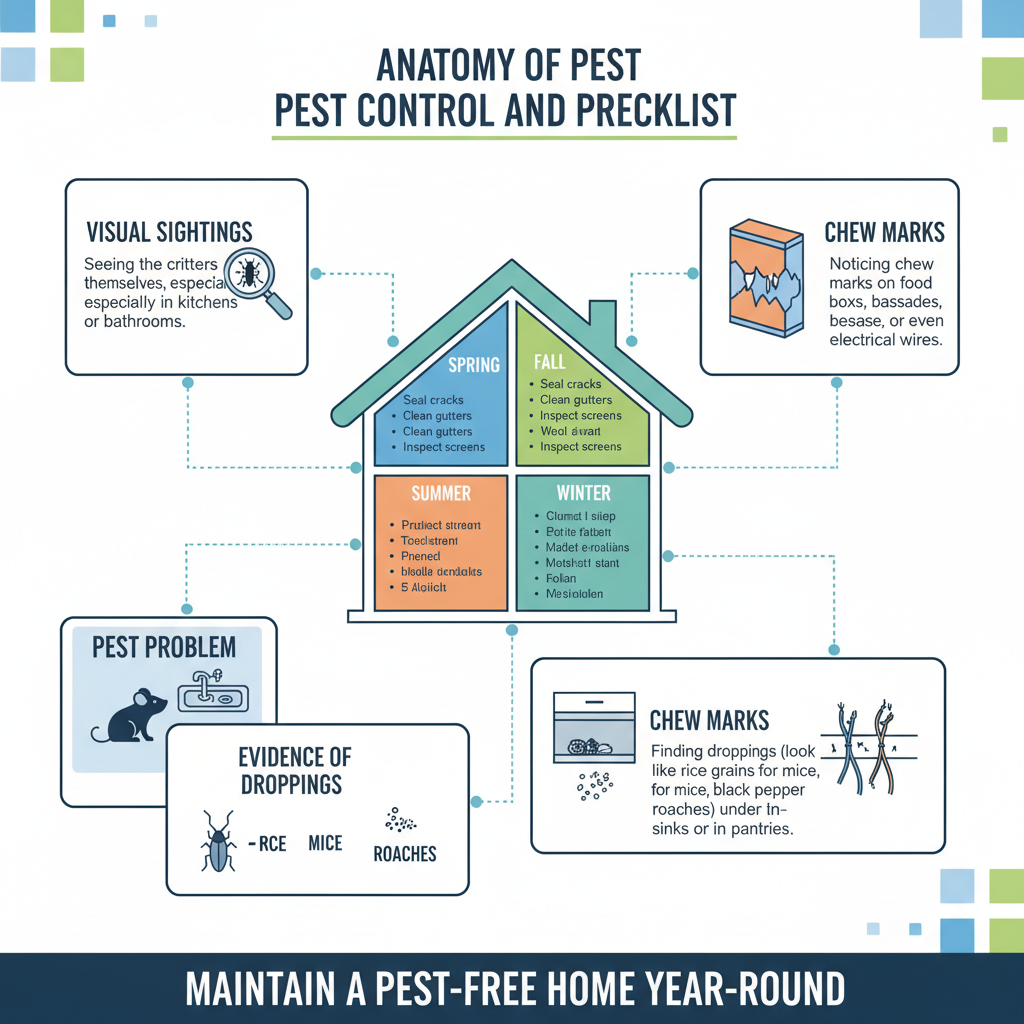
Common Symptoms
Possible Causes
Step-by-Step Diagnosis
Step 1
Walk the entire perimeter of your house. Look for any crack or hole in the foundation, siding, and around utility lines. Check if you can see daylight under doors.
Step 2
Inspect the exterior for overgrown vegetation. Trim any tree branches or shrubs that are touching the house, as these act as bridges for pests.
Step 3
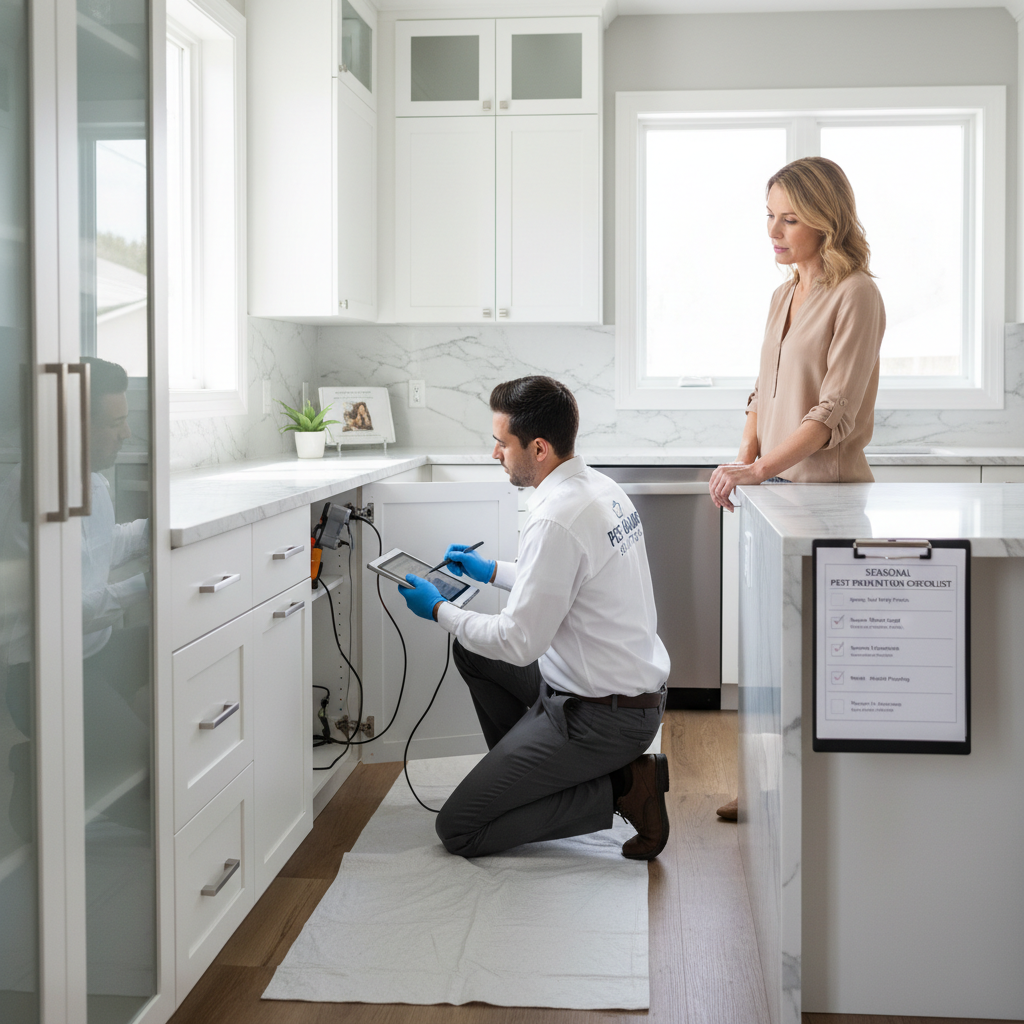
Go inside and thoroughly inspect the kitchen and bathrooms. Use a flashlight to check under sinks, behind the refrigerator, and behind the toilet.
Step 4
Check dark, undisturbed areas like the attic, basement, crawl space, and garage. Look for droppings, nests, and chew marks.
Step 5
If you're unsure of the pest, place sticky traps along walls in areas where you suspect activity. This will help you identify what you're up against.
Step 6
Be honest about your food storage. Check if all pantry items, including pet food, are in airtight containers and that crumbs and spills are cleaned up promptly.
DIY vs Professional Costs
| Repair Type | DIY Cost | Professional Cost | Time Required |
|---|---|---|---|
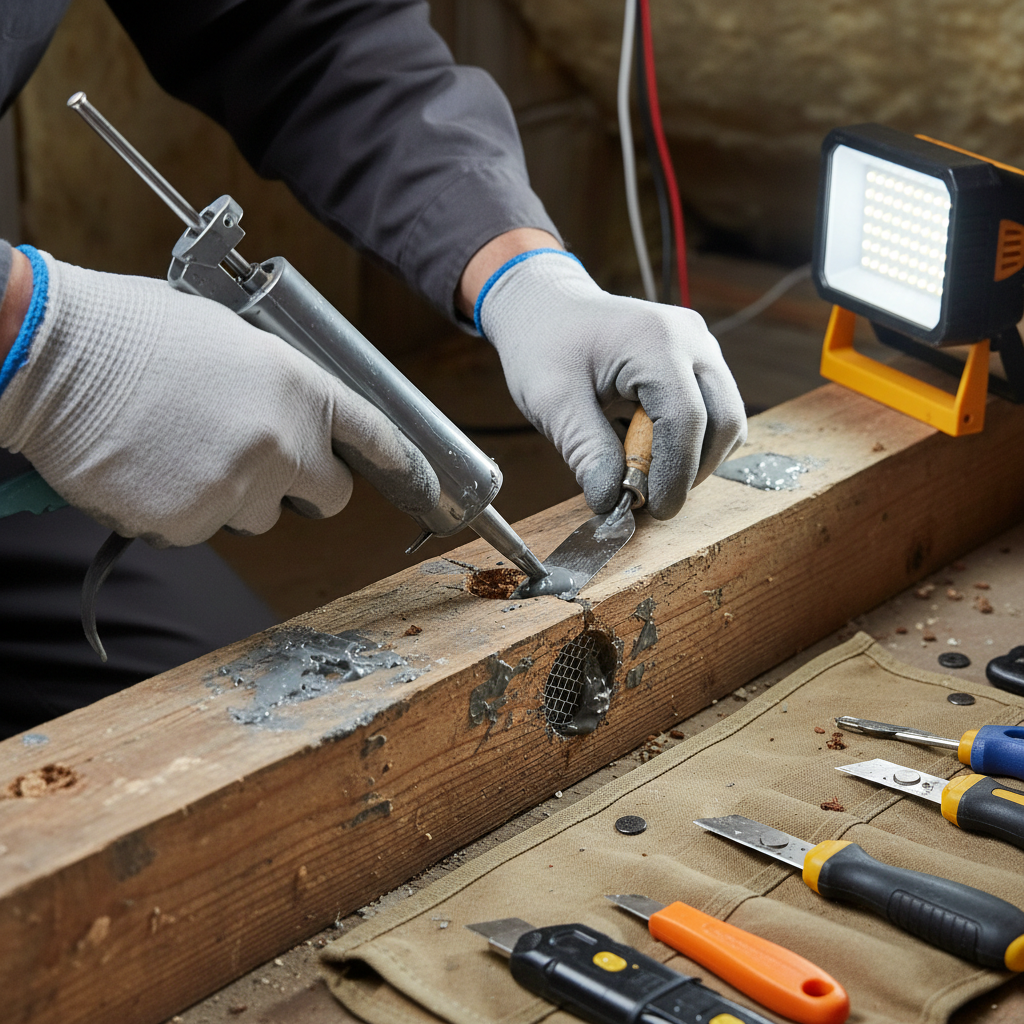
Seal Small Cracks & Gaps (Caulking, Steel Wool) | $10 - $30 | $200 - $400 (Part of exclusion) | 2-4 hours |
Repair Damaged Window/Door Screens | $20 - $50 | $100 - $250 | 1-3 hours |
Clean Gutters & Trim Landscaping | $0 - $100 | $150 - $400 | 3-5 hours |
Use Over-the-Counter Baits & Traps | $15 - $50 | N/A | Ongoing |
Full-Scale Exclusion & Treatment | N/A | $400 - $1000+ | 4-8+ hours |
When to Call a Professional Pest Control
- If you see any signs of termites (mud tubes, discarded wings) or bed bugs (bites, spots on mattresses). Do not try to treat these yourself. Ever.
- When you have a recurring problem despite sealing entry points and cleaning up. It means the pests have found a way in that you can't see.
- If you find evidence of rats or wildlife like raccoons or squirrels. These animals can cause significant damage and carry diseases.
- When you're facing a large-scale infestation, like seeing multiple cockroaches every time you turn on a light. You're past the point of DIY traps.
- If you're not comfortable handling pesticides or you can't physically do the inspection and exclusion work in attics or crawl spaces.
Prevention Tips
- Do a full exterior inspection every spring and fall to find and seal any potential entry points with caulk or steel wool.
- Store all food, including pet food, in hard plastic or glass airtight containers. Never leave food in just a bag or cardboard box.
- Fix any water leaks immediately. Ensure your basement or crawl space is dry, using a dehumidifier if necessary.
- Keep all vegetation, including shrubs and tree limbs, trimmed at least one foot away from your house's siding and roof.
- Reduce clutter in your attic, garage, and basement. Store items in sealed plastic totes, not cardboard boxes.
- Keep your outdoor trash cans sealed tightly and store them away from the house if possible.
- Don't let dirty dishes pile up in the sink, and wipe up all crumbs and spills from counters and floors right away.
Frequently Asked Questions
Related Guides
Safe Rodent Cleanup: How a Pro Handles Droppings & Nests (Troubleshooting & Fixes)
A veteran tech's guide to safely cleaning rodent droppings and nests. Learn what gear to use, the risks of diseases like Hantavirus, and when to call a pro.
Termite Damage vs. Water Damage: How to Tell the Difference (Troubleshooting & Fixes)
A veteran tech explains how to tell termite damage from water damage. Learn the signs, from mud tubes to mushy wood, and what to do next to protect your home.
Emergency Pest Control: When to Call a Professional Immediately
Learn when a pest problem becomes an emergency. Identify dangerous pests, signs of structural damage, or health risks that demand immediate professional pest control. Expert advice from a 25-year veteran.
Horrible Smell in House: Dead Animal Odor Troubleshooting
Comprehensive BizzFactor guide to diagnosing and completely eliminating foul odors from dead animals in your home. Learn how to locate the source, safely remove carcasses, disinfect, neutralize lingering smells, and prevent future pest infestations with practical tips and expert advice.
Bed Bug, Flea, or Mosquito Bites? (Troubleshooting & Fixes)
Are those itchy red spots bed bug, flea, or mosquito bites? This expert guide helps you identify the culprit with detailed descriptions, patterns, and infestation signs. Learn effective diagnosis steps, DIY fixes, and when to call a pro for each pest.
Keeping Critters Out: A Year-Round Pest Control Checklist (Troubleshooting & Fixes)
A seasoned tech's guide to a seasonal pest prevention checklist. Learn the signs, causes, and DIY fixes to keep your home pest-free all year long.
Need Professional Help?
Find top-rated pest control experts in your area