Quick Answer
For DIY, 'prune them yourself for under $50 in tools' is generally accurate for small branches. For professional diagnosis, '$100-$200' is realistic. The overall advice is sound.
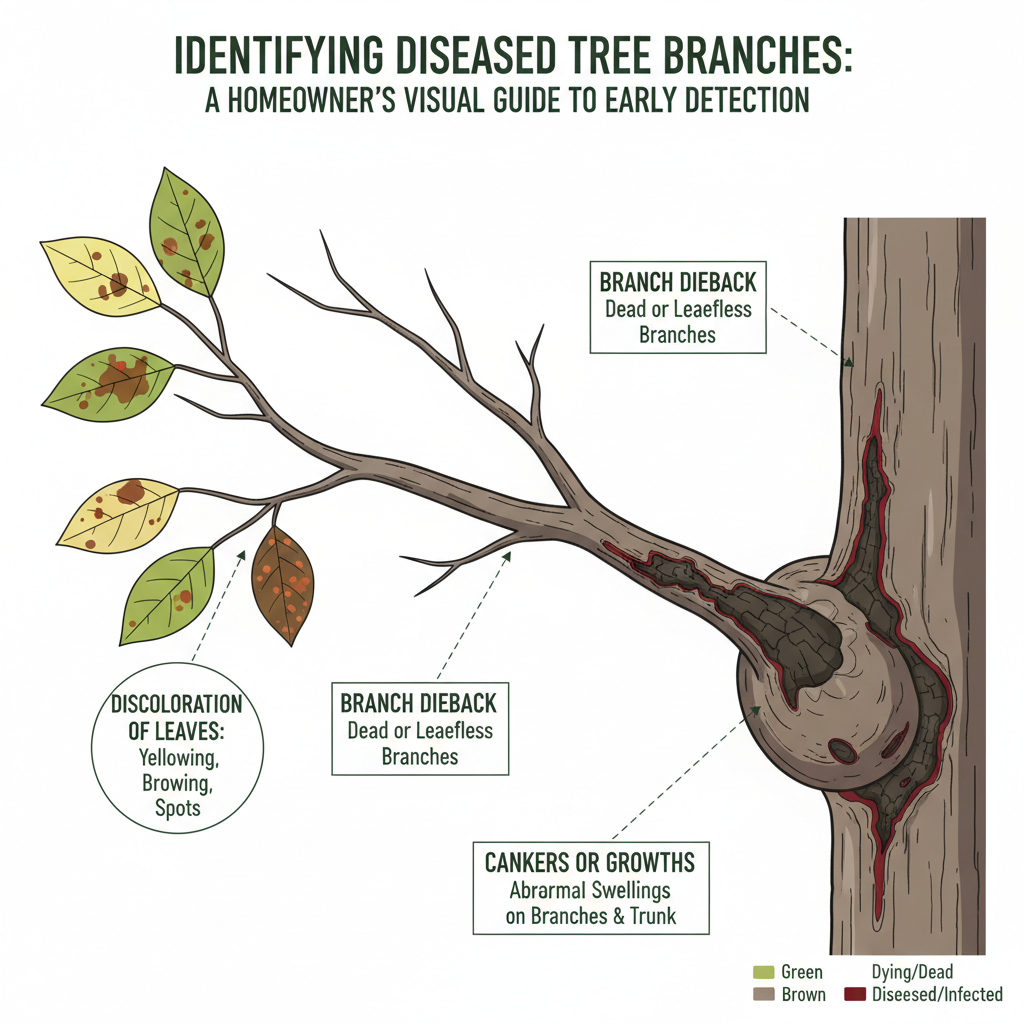
Common Symptoms
Possible Causes
Step-by-Step Diagnosis
Step 1
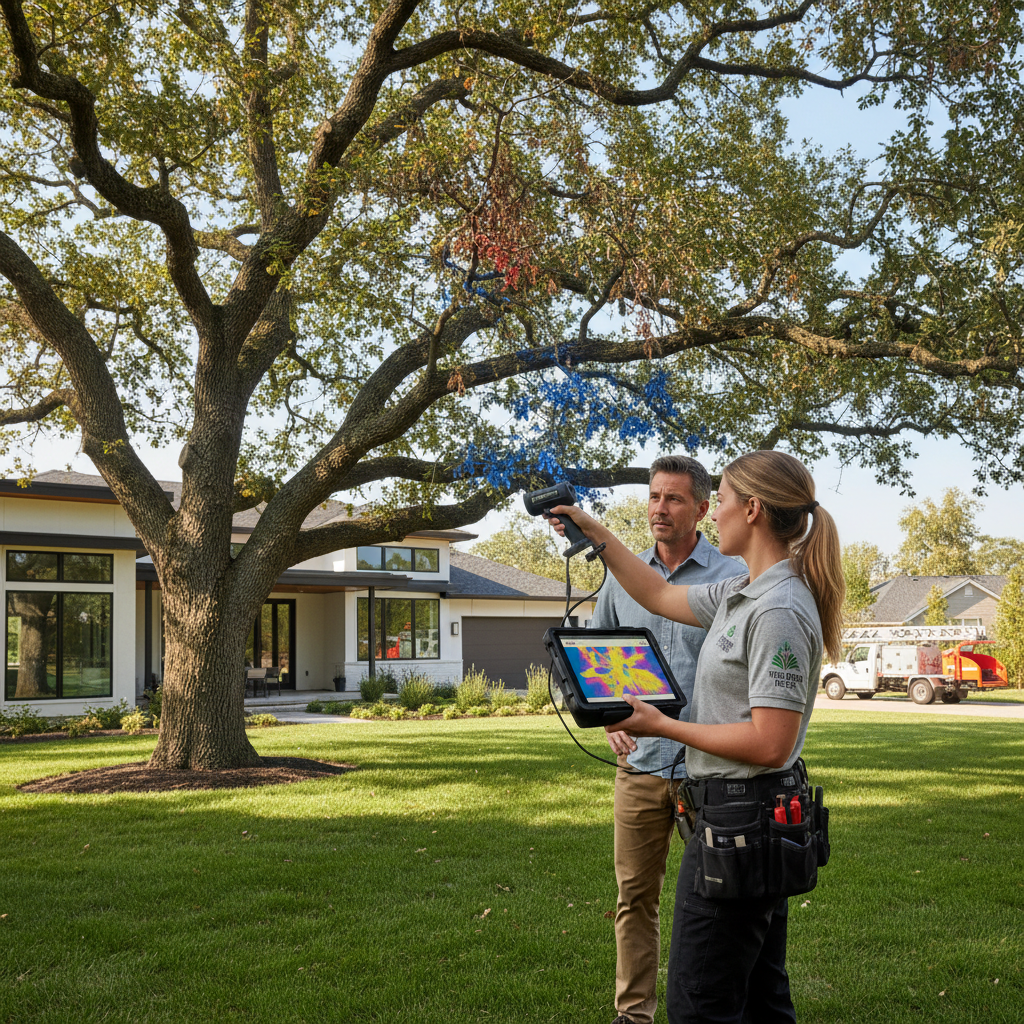
Stand back and observe the tree's overall shape and density.
Step 2
Examine the leaves up close for spots, discoloration, or unusual textures.
Step 3
Inspect the branches and trunk for cankers, cracks, or fungal growth like mushrooms.
Step 4
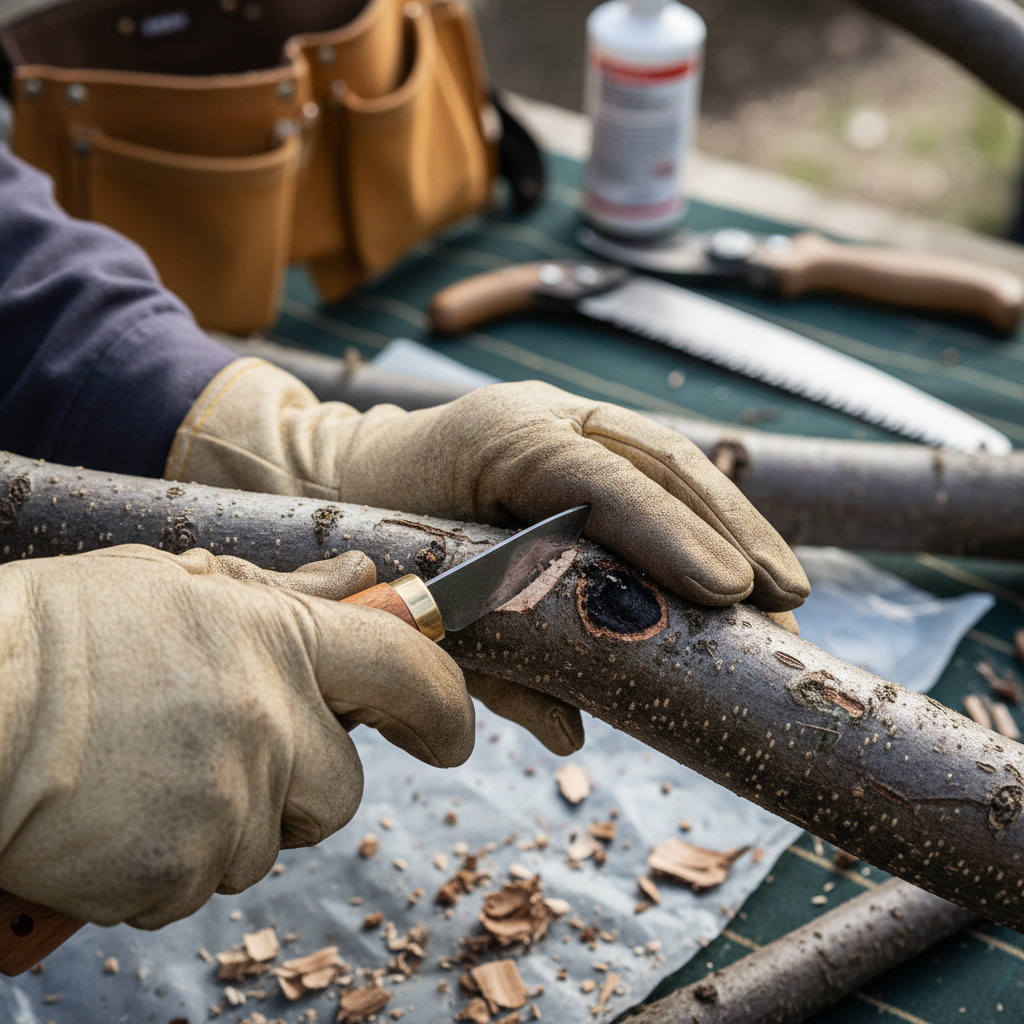
Perform the 'scratch test' on a small twig to check for green, living tissue underneath the bark.
Step 5
Check the base of the trunk for signs of rot, decay, or mulch piled against the bark.
Step 6
Take clear photos of the symptoms to show a professional if needed.
DIY vs Professional Costs
| Repair Type | DIY Cost | Professional Cost | Time Required |
|---|---|---|---|
Pruning Small Diseased Branches (<2" diameter) | $20 - $50 | $150 - $400 | 1-2 hours |
Applying Fungicide to Small Trees/Shrubs | $20 - $70 | $150 - $350 | 1 hour |
Major Pruning (Large branches, high work) | Not Recommended | $300 - $800+ | 2-5 hours |
Trunk Injections / Systemic Treatments | Not a DIY Job | $200 - $700+ | 1-2 hours |
Full Tree Removal (if it's too far gone) | Absolutely Not | $400 - $2,000+ | 3-8+ hours |
When to Call a Professional Tree Service
- If the diseased branches are too high to reach safely from the ground.
- If the affected limbs are larger than 2-3 inches in diameter.
- If you see signs of disease, cankers, or mushrooms on the main trunk.
- If more than 25% of the tree's canopy appears dead or dying.
- If you cannot identify the problem and are unsure of the correct treatment.
- If the tree is near power lines, your house, or other structures, making it a potential hazard.
Prevention Tips
- Water trees deeply but infrequently during dry spells, allowing the soil to dry slightly between waterings.
- Apply a 2-3 inch layer of mulch around the tree, but keep it pulled back several inches from the trunk.
- Prune only dead, damaged, or crossing branches, and make clean cuts just outside the branch collar.
- Always clean your pruning tools with rubbing alcohol or a bleach solution between cuts to avoid spreading disease.
- Choose tree species that are well-suited to your local climate and known to be resistant to common diseases.
- Avoid damaging the trunk and roots with lawnmowers, string trimmers, or construction activities.
Frequently Asked Questions
Related Guides
Preparing Trees for Winter Storms (Troubleshooting & Fixes)
A veteran arborist's guide to prepping your trees for winter. Learn how to spot risks and prevent storm damage before it costs you a new roof.
Identifying common tree pests and diseases and their impact on tree health and longevity. Troubleshooting & Fixes
Identifying Diseased Tree Branches: A Homeowner's Visual Guide to Early Detection Troubleshooting & Fixes (2024 Guide)
Seeing sick branches on your tree? A veteran arborist explains how to spot disease, what it means, and when you can DIY the fix or need to call a pro.
Wrong Tree, Wrong Place Problems (Troubleshooting & Fixes)
Seeing property damage or have a sick tree? You might've planted the wrong tree in the wrong spot. Here's a veteran arborist's guide to fixing it.
Tree Fell on My House? (Here's What to Do NOW)
A tree fell on your house? Here's a no-nonsense guide from a 25-year veteran on what to do immediately, who to call, and how to handle the chaos.
Assessment and safe cleanup of trees damaged by storms, including fallen trees, broken limbs, split trunks, and leaning trees. Troubleshooting & Fixes (2024 Guide)
A storm just wrecked your yard? Here's my no-nonsense guide from 25+ years in the field on how to safely assess damaged trees and what you should—and shouldn't—tackle yourself.
Need Professional Help?
Find top-rated tree service experts in your area