Quick Answer
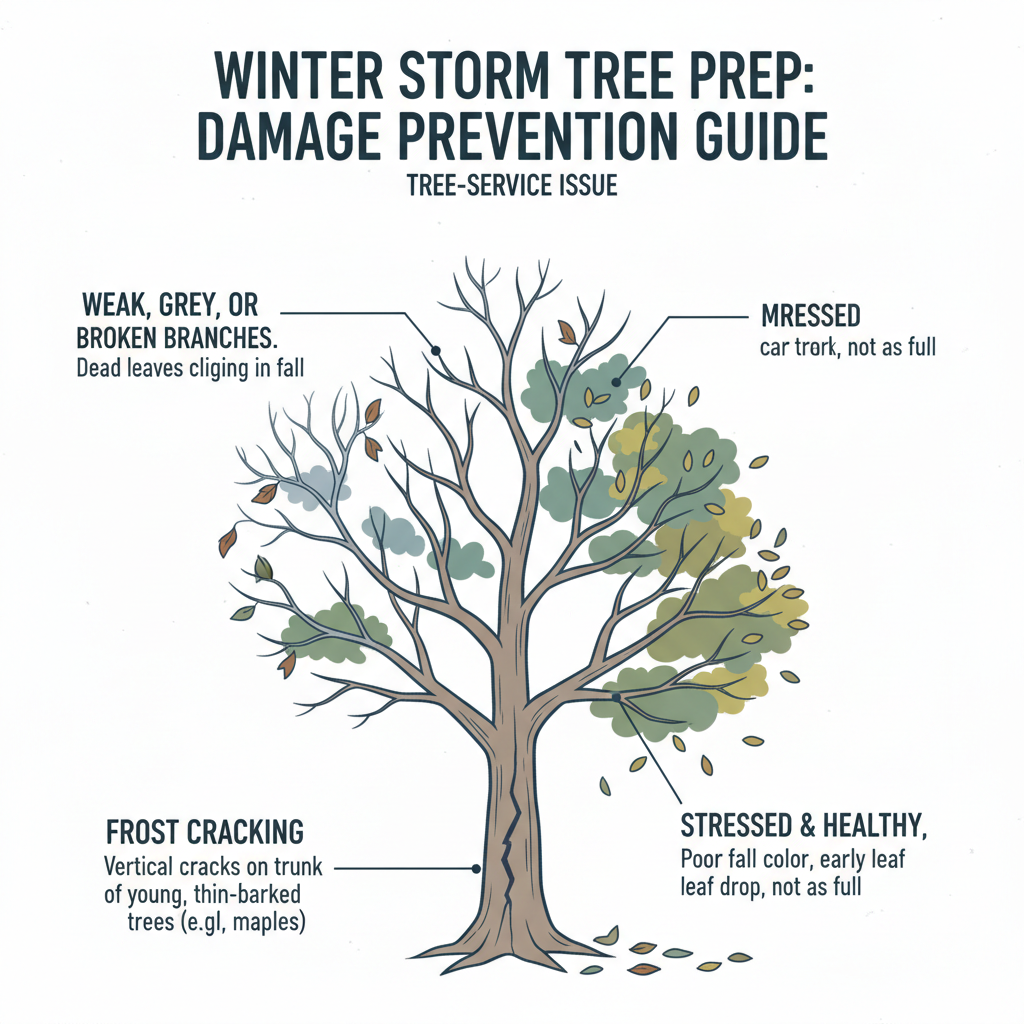
Alright, here's the quick version. To get your trees ready for a nasty winter, you gotta think like a storm. First, prune the dead and weak branches *before* heavy snow and ice can snap 'em. Anything you can reach from the ground, go for it. Give your trees, especially evergreens, a good long drink in the fall before the ground freezes solid. And for the young, skinny-trunked ones, wrap 'em up so they don't split. You can do the small stuff yourself for under $100, but for big branches or anything near the house, call a pro. It's cheaper than your insurance deductible, trust me.
Common Symptoms
Possible Causes
Step-by-Step Diagnosis
Step 1
Just stand back and look. Get the big picture. Check for any leaning or lopsided growth.
Step 2
Inspect the whole tree for dead, diseased, or broken branches. Use binoculars if you have to for the high-up stuff.
Step 3
Examine the overall structure, paying close attention to where big limbs meet the trunk. Look for tight 'V' shapes instead of sturdy 'U' shapes.
Step 4
Look at the base of the trunk for signs of rot, like mushrooms or other fungus. Tap on the trunk; a hollow sound is a bad sign.
Step 5
Assess the tree's location. Note any branches that are hanging over your house, garage, power lines, or other 'targets'.
DIY vs Professional Costs
| Repair Type | DIY Cost | Professional Cost | Time Required |
|---|---|---|---|
Pruning small dead/weak branches | $20-50 | N/A | 1-2 hours |
Wrapping young tree trunks | $15-30 | $50-100 | <1 hour |
Structural Pruning / Deadwood Removal | N/A | $300-1,500+ | 2-6 hours |
Tree Cabling or Bracing | N/A | $300-1,500+ | 2-4 hours |
When to Call a Professional Tree Service
- Call a pro for any pruning on branches you can't reach safely from the ground. Don't risk a fall.
- If you spot signs of extensive disease, rot, or large structural cracks, you need a certified arborist's diagnosis.
- For any work on mature trees with branches overhanging your home, driveway, power lines, or other valuable property.
- If a storm has already caused damage, you'll need an emergency crew with the right equipment for safe removal and cleanup.
- When you need to install support systems like cables or braces to save a valuable tree with a structural flaw.
Prevention Tips
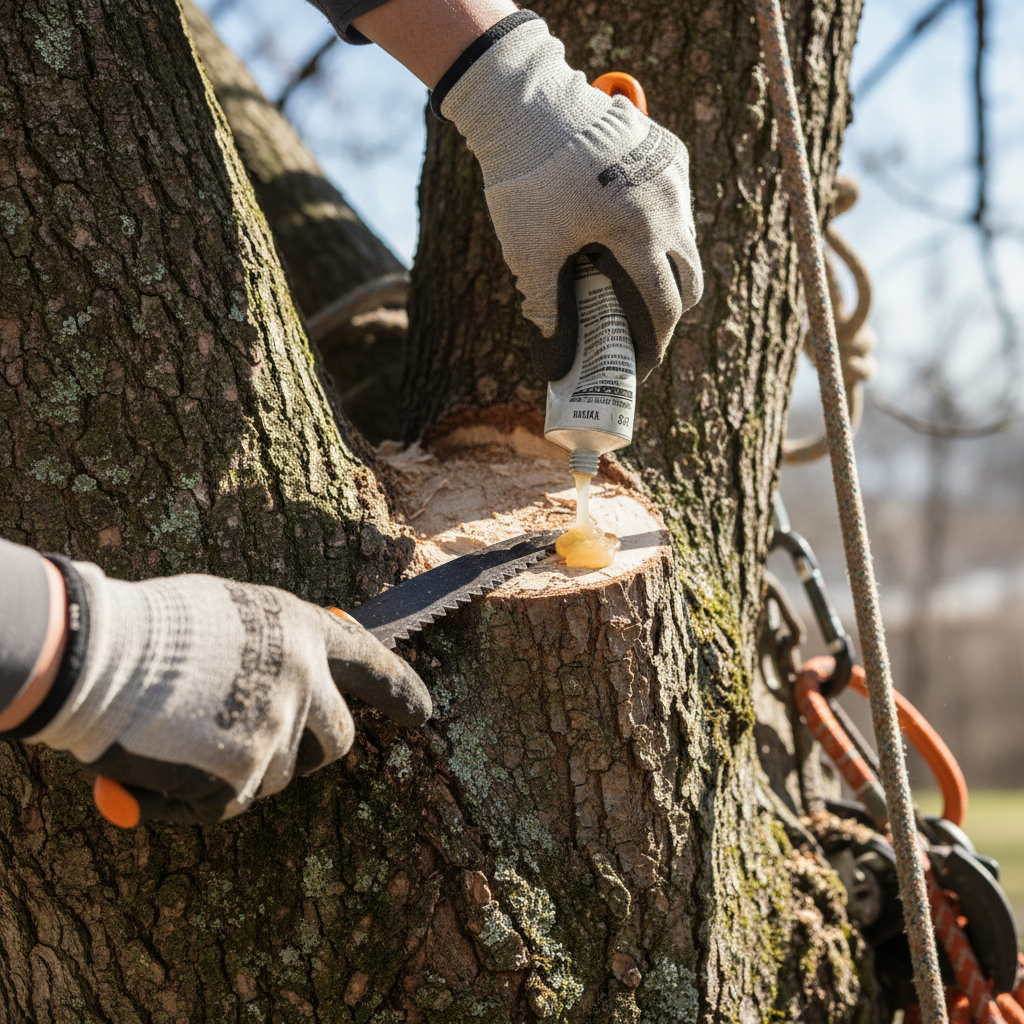
- Prune weak, dead, or damaged branches before the first heavy snow. It's the single best thing you can do.
- Apply a 2-4 inch layer of organic mulch around the base (but not touching the trunk!) to insulate roots and hold moisture.
- Give your trees, especially evergreens, a deep watering in late fall before the ground freezes solid.
- Wrap the trunks of vulnerable young or thin-barked trees with paper tree wrap to prevent frost cracks and sunscald.
- If you have prized evergreens, consider having a pro apply an anti-desiccant spray to help them retain moisture.
- When planting new trees, pick species that are rated for your climate zone and can handle a tough winter.
- Keep up with good tree care all year long. A healthy tree is a resilient tree.
Frequently Asked Questions
Related Guides
Fruit Tree Not Producing Fruit? A Practical Pruning Guide for Homeowners
Is your fruit tree a beautiful green giant, but barren? Learn expert pruning techniques to encourage abundant harvests, improve fruit quality, and maintain tree health. Get practical tips for DIY fruit tree care.
Preparing Trees for Winter Storms (Troubleshooting & Fixes)
A veteran arborist's guide to prepping your trees for winter. Learn how to spot risks and prevent storm damage before it costs you a new roof.
Tree Fell on My House? Immediate Steps & Expert Guide
Experiencing a tree falling on your house is an emergency. This comprehensive guide details immediate safety steps, who to call (911, insurance, emergency tree services), how to assess structural damage, and crucial prevention tips to mitigate risk.
Emergency Tree Service: How to Spot Scams and Hire a Reputable Professional
Don't fall victim to emergency tree service scams after a storm. Learn the red flags, vital questions to ask, and how to hire a qualified and insured arborist to protect your property and peace of mind.
Is Your Tree a Goner? Identifying Signs That a Tree Needs a Pro (Troubleshooting & Fixes)
Worried about a tree on your property? A 25-year vet explains the signs of a dying or dangerous tree and when you absolutely need to call an arborist.
Neglected Tree Maintenance and DIY Tree Work Risks (Troubleshooting & Fixes)
Learn to identify signs of neglected tree maintenance and the serious risks of DIY tree work. This guide from a veteran arborist helps homeowners spot hazards, understand causes, and know exactly when to call a professional tree service for safety and effective tree care.
Need Professional Help?
Find top-rated tree service experts in your area