Quick Answer
Okay, so here's the quick version. Finding a good air duct cleaner is a pain because the industry is full of scammers. The biggest red flag is a super-low price, like a '$99 whole-house special'—that's a bait-and-switch, guaranteed. Your first question, always, should be 'Are you NADCA certified?' If they don't know what that is, hang up. Expect to pay anywhere from $400 to over $1,000 for a real, thorough job on a standard house. The key is getting a detailed, in-person estimate in writing before they do a single thing.
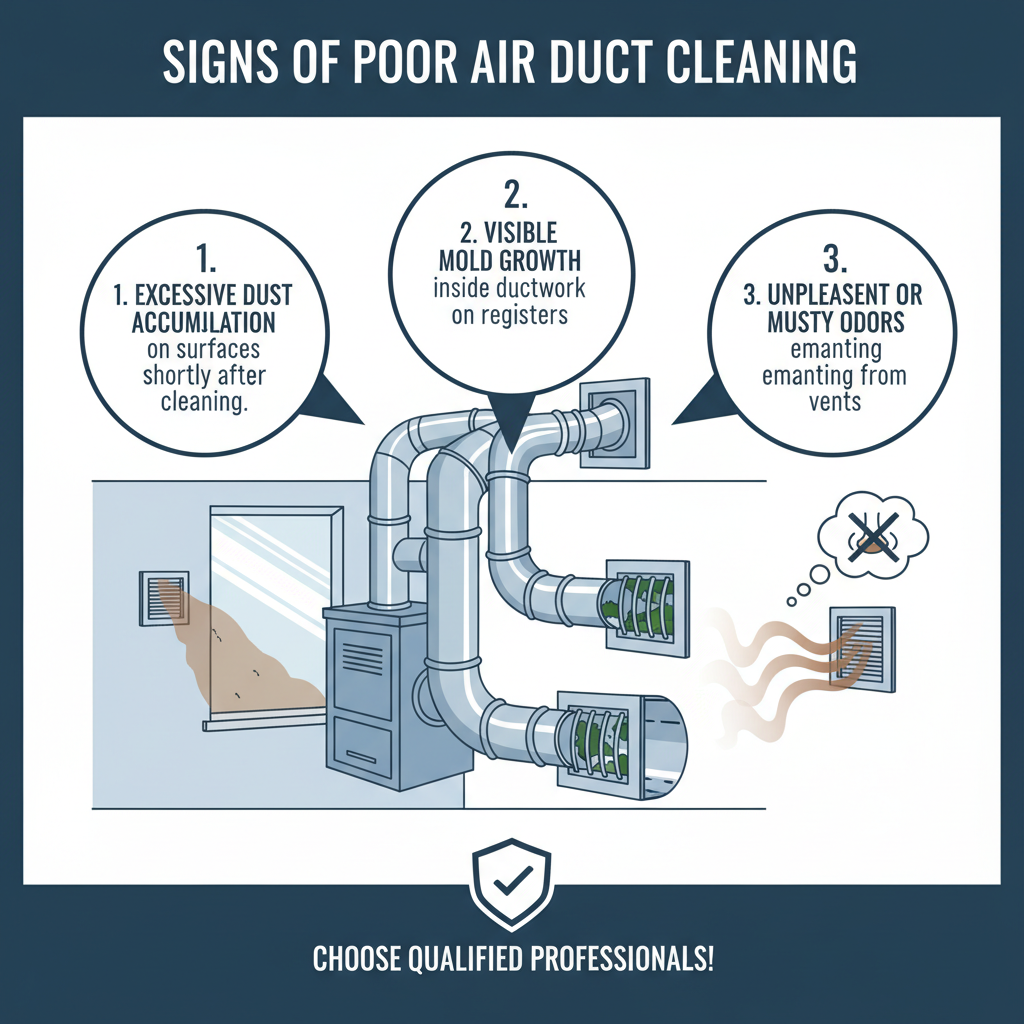
Common Symptoms
Possible Causes
Step-by-Step Diagnosis
Step 1
Verify NADCA Certification. Ask any potential company if they are certified by the National Air Duct Cleaners Association (NADCA) and confirm their membership on the NADCA website.
Step 2
Inquire About Experience & Reputation. Ask how long they have been in business and check independent review sites like Google, Yelp, and the BBB for unbiased customer feedback.
Step 3
Understand the Cleaning Process & Equipment. Ask for a detailed explanation of their cleaning method. Ensure they use a powerful truck-mounted vacuum to create negative pressure and that their service includes cleaning the entire HVAC system (blower, coils, all supply and return ducts).
Step 4
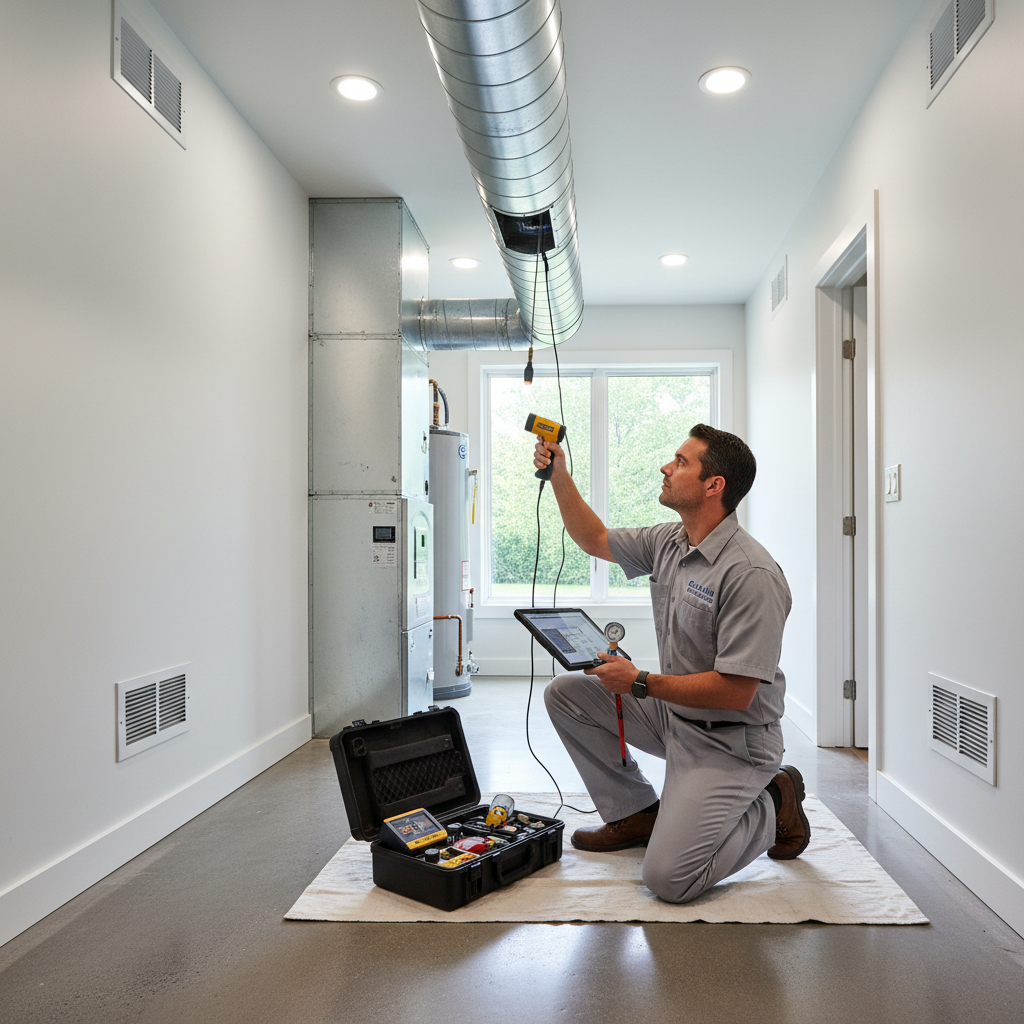
Request a Detailed In-Person Written Estimate. Never accept a quote over the phone. A reputable company will inspect your system in person and provide a written, itemized quote that locks in the price.
Step 5
Confirm Licensing & Insurance. Ask for proof of general liability insurance and any required local business licenses to protect your home and property.
Step 6
Clarify Scope of Work & Post-Cleaning Verification. Ask exactly what is included and how they will prove the work was done correctly, preferably with before-and-after photos or videos from a remote camera.
Step 7
Ask About Guarantees. Inquire about their satisfaction guarantee or warranty policy in case you are not happy with the results.
Step 8
Discuss Chemical Use. If they recommend any chemical treatments like sanitizers or sealants, ask for the product name, the specific reason for its use, and confirmation that it is EPA-approved for use in HVAC systems.
DIY vs Professional Costs
| Repair Type | DIY Cost | Professional Cost | Time Required |
|---|---|---|---|
Online Research & Vetting Companies | $0 (Your Time) | N/A | 2-4 hours |
Standard Residential Duct Cleaning (1500-2500 sq ft) | N/A | $400 - $1,000+ | 3-5 hours |
Add-On Services (e.g., Coil Cleaning, Sanitizer) | N/A | $75 - $250+ (each) | Varies |
When to Call a Professional Air Duct
- You see visible mold or mildew growth on or inside your ductwork or registers.
- You have evidence of a rodent or insect infestation in your vents.
- You have recently completed a major home renovation or construction project.
- You experience excessive dust that returns almost immediately after cleaning.
- A persistent musty or stale odor is coming from your vents that you can't eliminate.
- A family member suffers from unexplained allergies or respiratory problems that seem to improve when they are away from the house.
Prevention Tips
- Consistently replace your HVAC air filters every 1-3 months, using a quality pleated filter.
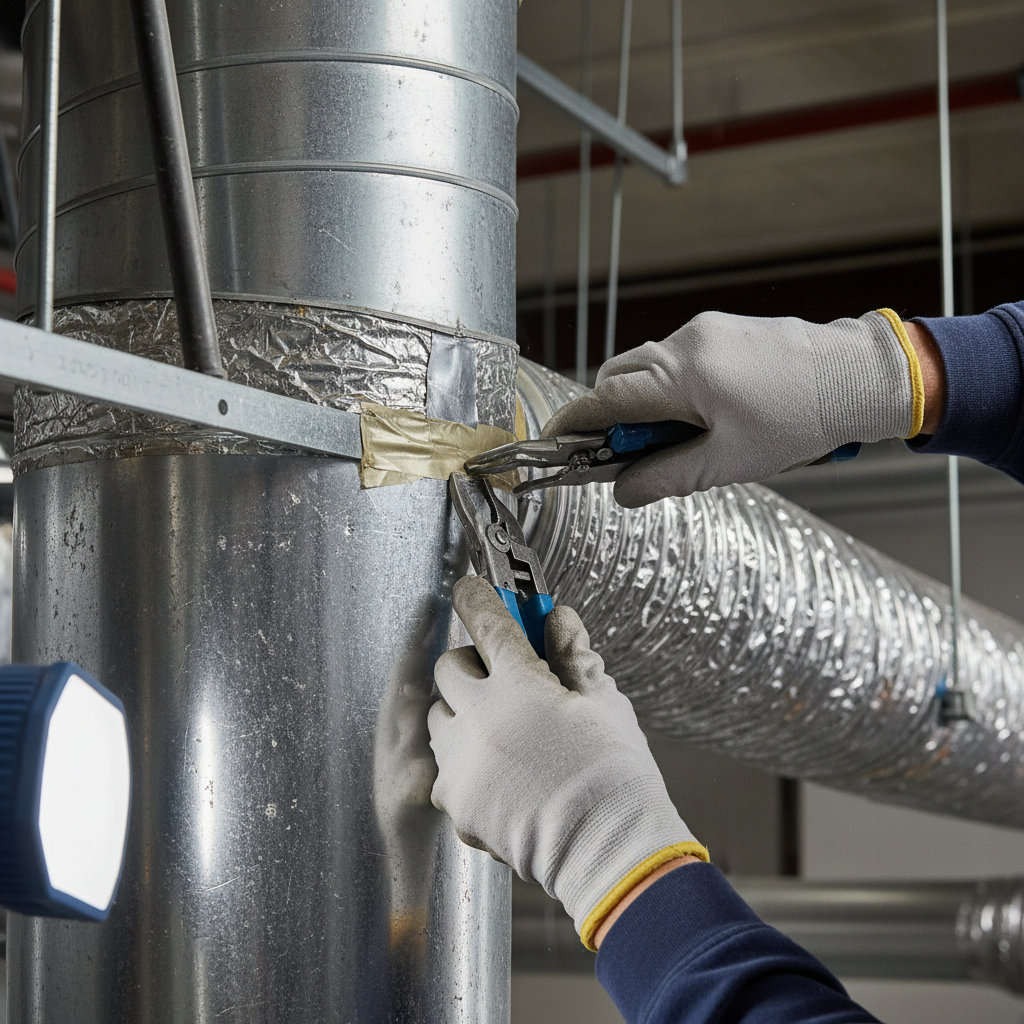
- Ensure all ductwork joints and connections are properly sealed with mastic or foil tape to prevent infiltration of dust from unconditioned spaces like attics or crawlspaces.
- Maintain a regular house cleaning schedule, including vacuuming and dusting, paying special attention to the areas around air supply and return registers.
- Keep indoor humidity levels below 60% to inhibit the potential for mold growth within the HVAC system.
- Periodically vacuum the grilles of your registers and vents to remove surface dust before it can fall into the ductwork.
Frequently Asked Questions
Related Guides
How to Hire an Air Duct Cleaner That Won't Rip You Off (Troubleshooting & Fixes)
A veteran tech's guide to choosing an air duct cleaning company. Learn how to spot scams, what questions to ask, and avoid the 'blow-and-go' outfits.
Signs Your Home's Air Ducts Need Cleaning: A Troubleshooting Guide
Learn the definitive signs your home's air ducts need cleaning. This guide covers common symptoms, underlying causes, DIY diagnostic steps, practical prevention tips, and when to call a professional for a healthier home environment. Improve your indoor air quality and reduce allergens.
Fuzzy HVAC Vents? Here's How to Deal With That Nasty Buildup (Troubleshooting & Fixes)
Fuzzy HVAC vents indicate a dust problem. Learn how to clean your air vents yourself, improve indoor air quality, boost HVAC efficiency, and know when to call a pro.
Why Your House Is Always Dusty: A Guide to HVAC Duct Issues and Solutions
Stop the constant battle with dust! Discover how leaky HVAC ducts, poor filtration, and other common issues contribute to a dusty home. Learn practical DIY fixes and when to call a pro for cleaner air and a healthier living space.
DIY vs. Professional Air Duct Cleaning: What Homeowners Need to Know
A veteran tech's honest take on DIY air duct cleaning. Learn what you can actually do yourself, when you're wasting your time, and when to call a pro.
Mold in Your Air Ducts? (Here's How to Find It & Fix It)
Expert guide to identifying and fixing mold in HVAC air ducts. Learn common symptoms, underlying causes, effective prevention tips, and when to call a professional for mold remediation to protect your home's air quality.
Need Professional Help?
Find top-rated air duct experts in your area