Quick Answer
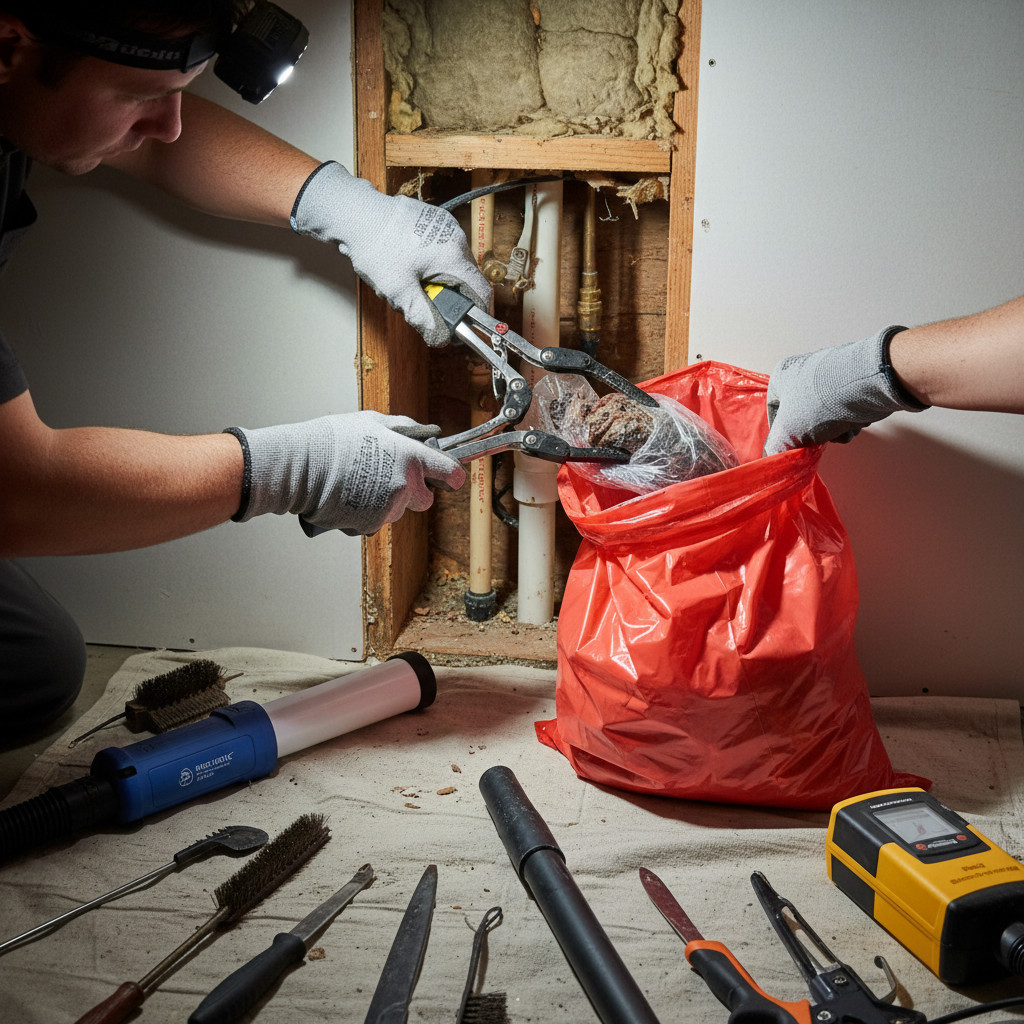
To eliminate foul odors from a dead animal in your home, first, *locate the source* by following the strongest smell, focusing on attics, walls, and behind appliances. *Safely remove the carcass* using heavy-duty gloves and a respirator, double-bagging it for immediate disposal. Then, *thoroughly clean and disinfect* the area with a strong disinfectant. Finally, *neutralize lingering odors* using enzymatic cleaners, activated charcoal, and ensuring good ventilation. Prevent future issues by sealing entry points and eliminating food sources.

Common Symptoms
Possible Causes
Step-by-Step Diagnosis
Step 1
Systematically 'follow your nose' through the home, noting where the odor intensifies.
Step 2
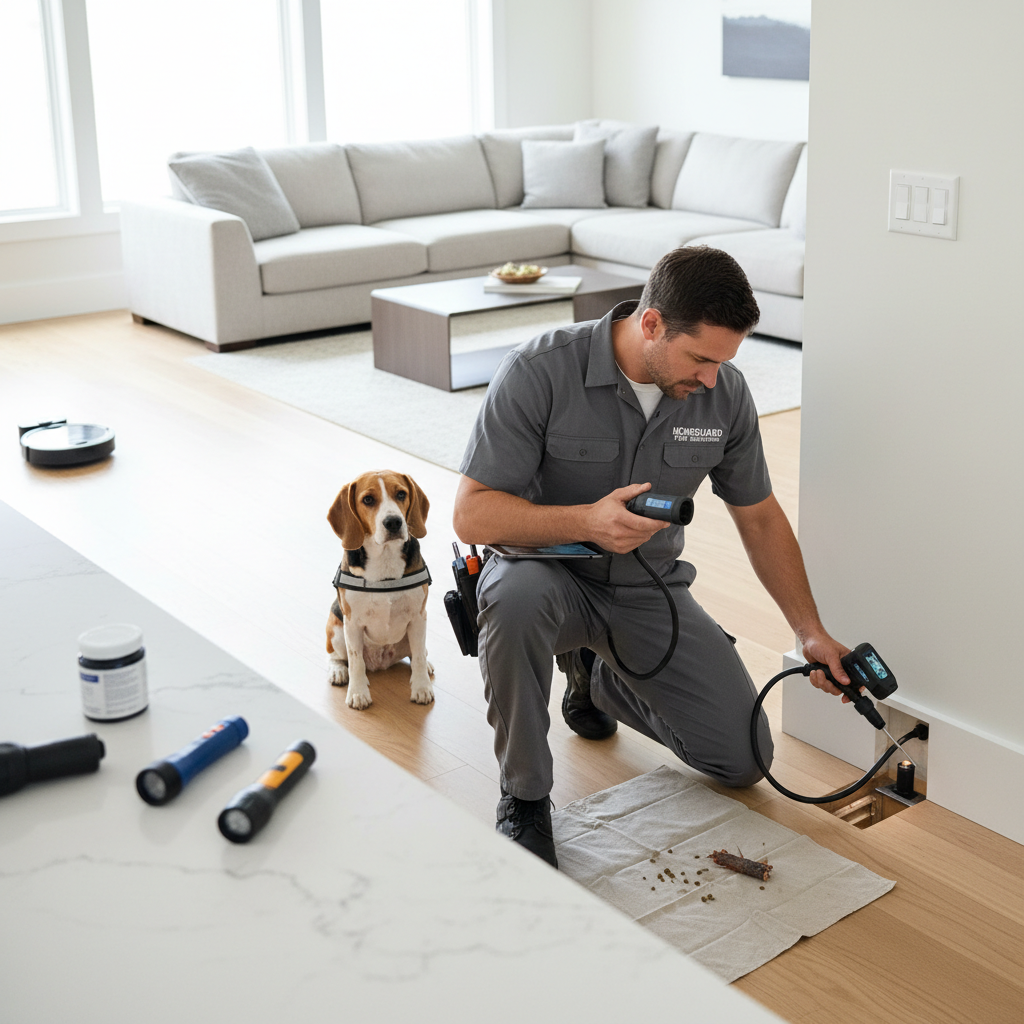
Inspect common animal hiding spots: attics, crawl spaces, wall voids (listen for buzzing), behind appliances, under floorboards, basements, and utility rooms.
Step 3
Look for secondary signs of pest activity: droppings, gnaw marks, disturbed insulation, or pathways.
Step 4
Observe pet behavior: Animals often react to the presence of pests or carcasses.
Step 5
Use a flashlight to peer into dark, confined spaces.
Step 6
Check for physical signs like insect activity (flies, maggots) around small cracks or outlets, which pinpoint the immediate vicinity of the carcass.
When to Call a Professional Pest Control
- The carcass is located in an inaccessible area (e.g., deep within a wall, under a large, immovable appliance, or in a tight crawl space) requiring special tools or demolition.
- The odor persists despite thorough cleaning and odor elimination attempts, suggesting the presence of multiple carcasses or a deeply saturated area.
- You suspect a large or dangerous animal (e.g., raccoon, possum) has died, which may pose a greater risk of disease or further structural damage.
- There are clear signs of a widespread or ongoing pest infestation, indicating the need for professional pest control.
- You are experiencing allergic reactions or respiratory issues that you suspect are linked to the odor or contaminants.
- You are uncomfortable or physically unable to perform the removal and cleaning yourself.
- The dead animal is discovered in or near HVAC systems, potentially spreading contaminants throughout the house.
Prevention Tips
- Seal all entry points: cracks in foundation, gaps around pipes, unsealed vents, damaged screens, and gaps under doors.
- Trim tree branches and shrubs away from the house to prevent roof access.
- Store food in airtight containers and keep kitchen clean of crumbs and spills.
- Fix leaky pipes and eliminate standing water sources.
- Remove clutter from attics, basements, and garages to reduce nesting sites.
- Elevate firewood piles and store them away from the house.
- Install mesh covers on chimneys and vents.
- Consider professional pest control services for regular inspections or if an ongoing infestation is suspected.
Frequently Asked Questions
Related Guides
Safe Rodent Cleanup: How a Pro Handles Droppings & Nests (Troubleshooting & Fixes)
A veteran tech's guide to safely cleaning rodent droppings and nests. Learn what gear to use, the risks of diseases like Hantavirus, and when to call a pro.
Termite Damage vs. Water Damage: How to Tell the Difference (Troubleshooting & Fixes)
A veteran tech explains how to tell termite damage from water damage. Learn the signs, from mud tubes to mushy wood, and what to do next to protect your home.
Emergency Pest Control: When to Call a Professional Immediately
Learn when a pest problem becomes an emergency. Identify dangerous pests, signs of structural damage, or health risks that demand immediate professional pest control. Expert advice from a 25-year veteran.
Horrible Smell in House: Dead Animal Odor Troubleshooting
Comprehensive BizzFactor guide to diagnosing and completely eliminating foul odors from dead animals in your home. Learn how to locate the source, safely remove carcasses, disinfect, neutralize lingering smells, and prevent future pest infestations with practical tips and expert advice.
Bed Bug, Flea, or Mosquito Bites? (Troubleshooting & Fixes)
Are those itchy red spots bed bug, flea, or mosquito bites? This expert guide helps you identify the culprit with detailed descriptions, patterns, and infestation signs. Learn effective diagnosis steps, DIY fixes, and when to call a pro for each pest.
Keeping Critters Out: A Year-Round Pest Control Checklist (Troubleshooting & Fixes)
A seasoned tech's guide to a seasonal pest prevention checklist. Learn the signs, causes, and DIY fixes to keep your home pest-free all year long.
Need Professional Help?
Find top-rated pest control experts in your area