Quick Answer
Okay, so here's the quick version on pantry pests. You've got bugs in your flour or cereal. Nine times out of ten, they hitched a ride from the grocery store. First, you gotta be ruthless. Throw out ANY food that looks infested, even slightly. I mean it. Then, vacuum every single corner and crack of your pantry. Wipe it all down. From now on, ALL your dry goods—flour, rice, cereal, even pet food—go into airtight glass or heavy-duty plastic containers the second you get home. It's the only way. You can do this yourself for under $100.
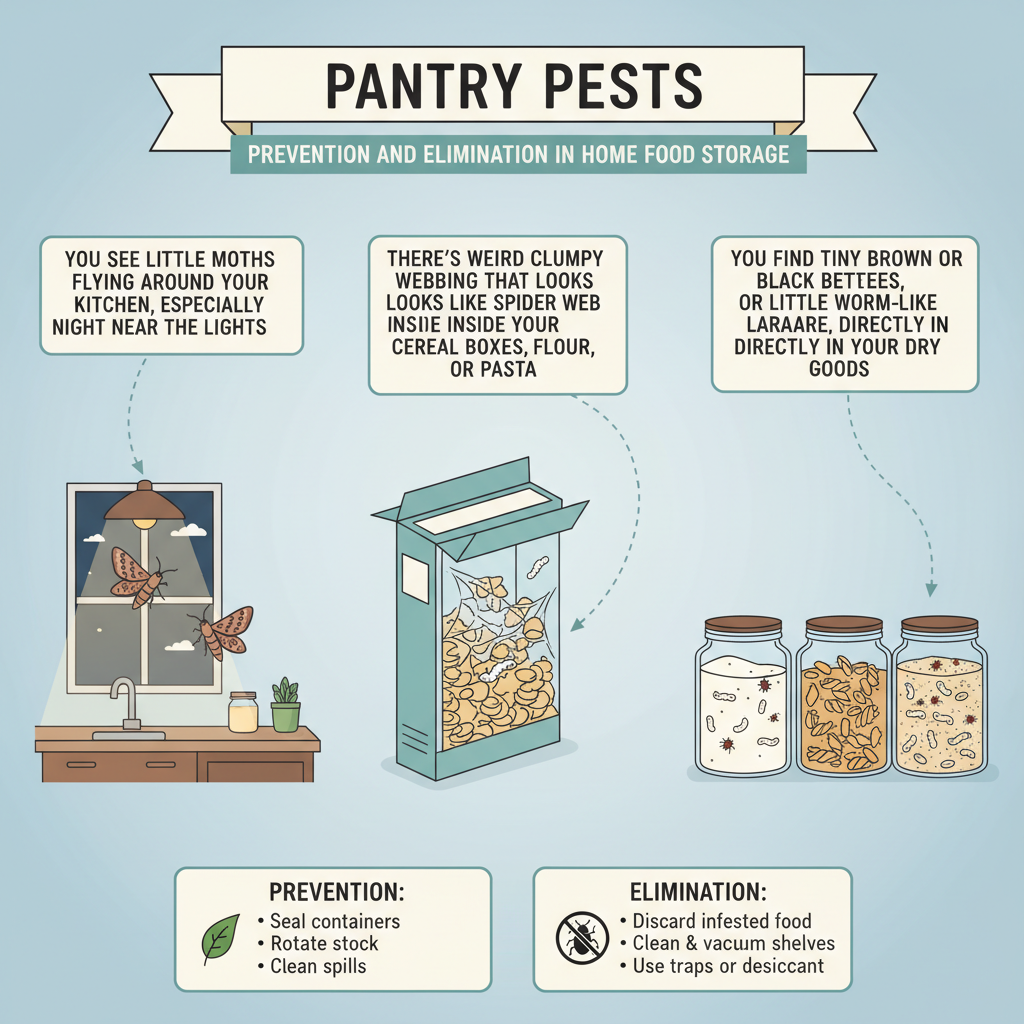
Common Symptoms
Possible Causes
Step-by-Step Diagnosis
Step 1
Take EVERYTHING out of the pantry. You can't see what's really going on with all the stuff in the way.
Step 2
Inspect every single package. Open bags of flour, pour cereal onto a plate, and sift through rice. Look for bugs, webbing, or clumps. Be ruthless; if it's suspect, it's trash.
Step 3
Identify 'Ground Zero'—the one or two items that are most heavily infested. This is likely where the problem started.
Step 4
After ditching infested food, grab a vacuum with a crevice tool. Vacuum every seam, corner, and shelf-peg hole inside the empty pantry to suck up hidden eggs and pupae.
Step 5
Place a few pantry pest pheromone traps inside the clean pantry. They'll act as a monitor to let you know if you missed anything or if a new problem starts.
DIY vs Professional Costs
| Repair Type | DIY Cost | Professional Cost | Time Required |
|---|---|---|---|
Full Pantry Cleanout & Re-organization | $50 - $150 | $200 - $450 (as part of a treatment) | 4-6 hours |
Airtight Food Storage Containers | $50 - $200+ | N/A | 1-2 hours |
Professional Pest Control Treatment | N/A | $250 - $500+ | 1-2 hours |
When to Call a Professional Pest Control
- If you've done a full cleanout and the pests come back within a few months. It means you missed the source and need an expert to find it.
- If the infestation is widespread and you're seeing moths or beetles in multiple rooms, not just the kitchen. The problem is bigger than you think.
- When you open the pantry and it's a terrifying scene with webbing and bugs everywhere. A pro can knock down a severe infestation much faster.
- If you have young kids or pets and you're worried about using any kind of sprays. A professional knows how to apply products safely and in targeted ways.
Prevention Tips
- The minute you get home from the store, transfer all dry goods like flour, rice, cereal, and pasta out of their original packaging and into airtight containers made of glass or heavy-duty plastic.
- Before storing, place new bags of grains, flour, and cereals in your freezer for 3-4 days to kill any potential eggs or larvae that might be hiding inside.
- Clean up spills immediately and vacuum your pantry shelves and floor regularly to remove the crumbs that attract pests.
- Try to buy smaller quantities of dry goods that you'll use within a couple of months. Avoid letting things sit in the back of the pantry for years.
- Rotate your stock. When you buy a new item, put it behind the one you already have so you use the older stuff first.
Frequently Asked Questions
Related Guides
Safe Rodent Cleanup: How a Pro Handles Droppings & Nests (Troubleshooting & Fixes)
A veteran tech's guide to safely cleaning rodent droppings and nests. Learn what gear to use, the risks of diseases like Hantavirus, and when to call a pro.
Pest Control Chemical Safety: What to Ask Your Exterminator
A veteran exterminator's guide to asking the right questions about pest control chemicals. Learn how to ensure your family's safety and get a treatment that actually works.
Attic Noises: Is It Bats or Rats? (A Pro's Guide to Telling the Difference)
Hearing strange noises in your attic? Learn to tell if it's bats, mice, rats, or squirrels with this expert guide. Discover key signs like sounds, droppings, and entry points, plus effective DIY prevention tips and when to call a professional for safe removal and exclusion.
Pantry Pests: The Ultimate Troubleshooting & Fixes for a Bug-Free Kitchen (2024 Guide)
A veteran tech's guide to pantry pests. Learn to spot the signs, get rid of them for good, and prevent them from ever coming back. Stop wasting food.
Termite Damage vs. Water Damage: How to Tell the Difference (Troubleshooting & Fixes)
A veteran tech explains how to tell termite damage from water damage. Learn the signs, from mud tubes to mushy wood, and what to do next to protect your home.
Emergency Pest Control: When to Call a Professional Immediately
Learn when a pest problem becomes an emergency. Identify dangerous pests, signs of structural damage, or health risks that demand immediate professional pest control. Expert advice from a 25-year veteran.
Need Professional Help?
Find top-rated pest control experts in your area