Hiring a Certified Arborist: How to Not Get Ripped Off (Questions & Fixes)
Protect your home and investment by learning how to hire a qualified arborist without getting scammed. Our guide provides essential questions about certification, insurance, and costs to ensure you choose a reputable tree care professional.
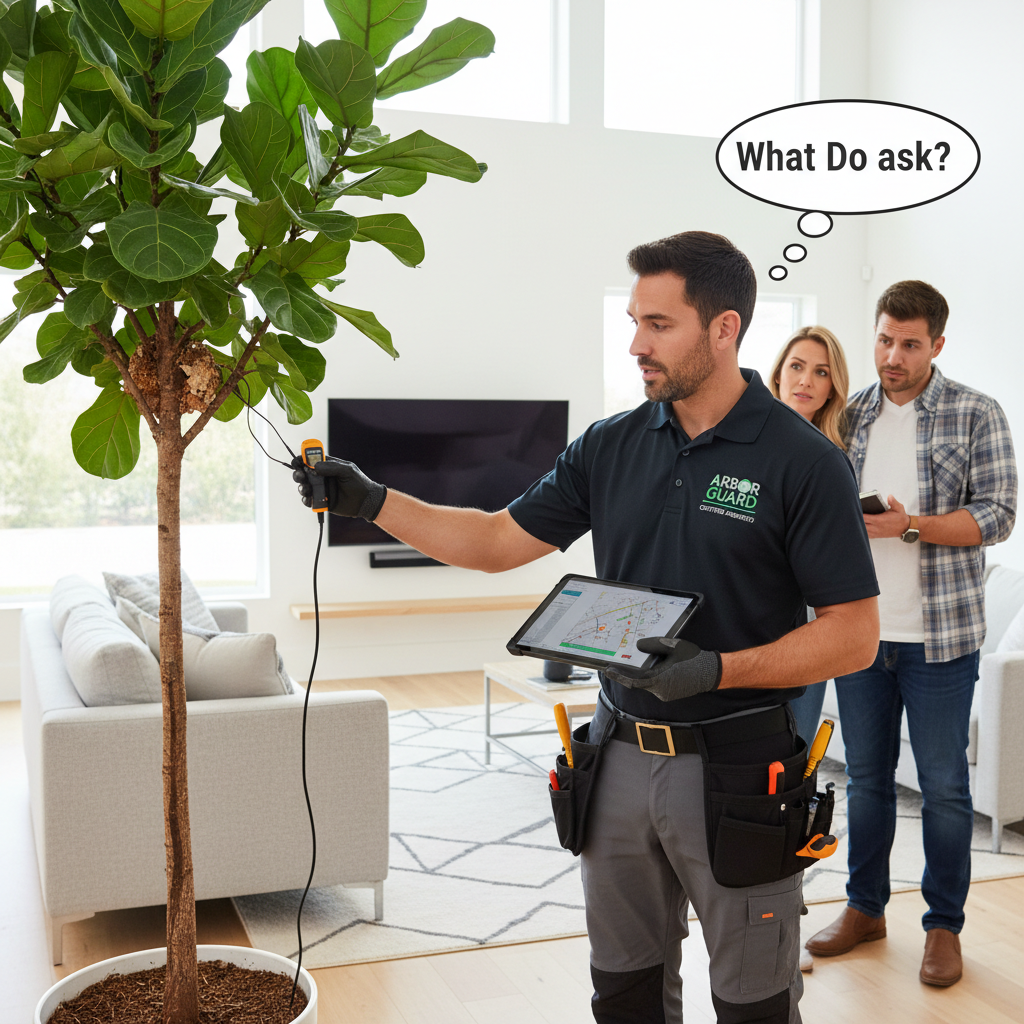
Quick Answer
To avoid being ripped off when hiring an arborist, always verify their ISA (International Society of Arboriculture) certification and request proof of current liability and workers' compensation insurance directly from their insurance provider. Obtain at least three written quotes detailing the scope of work, and never choose solely based on the lowest price. Expect a consultation fee if it's not a quick estimate, but the investment in a qualified professional prevents costly damage and ensures safety.
Common Symptoms
- Tree appears unhealthy (discolored leaves, unusual growths, dead branches)
- Tree branches are growing too close to your home, power lines, or other structures
- Storm damage has left broken or hanging branches posing a hazard
- Tree is leaning significantly or has large cracks in its trunk
- You suspect a tree is a hazard but are unsure of the appropriate action
- You require professional advice on tree health, maintenance, or removal
Possible Causes
- Lack of homeowner awareness regarding the distinction between a qualified arborist and a general tree service provider
- Prevalence of unqualified, uninsured, or underinsured individuals offering cheap tree services, especially after natural disasters
- Complexity of tree biology and structural issues that require specialized knowledge for proper diagnosis and treatment
- Inherent dangers associated with tree work (e.g., cutting, climbing, heavy lifting) necessitating professional training, equipment, and insurance
- Homeowners prioritizing low cost over safety and professional expertise
Step-by-Step Diagnosis
- Identify the specific issue or need: Is it pruning, removal, disease diagnosis, or general health assessment? Take clear photos.
- Search for ISA Certified Arborists in your local area using the ISA website's arborist search tool or reputable local business directories.
- Contact a minimum of three certified arborists to schedule an on-site consultation and request a detailed, written estimate.
- During the consultation, ask comprehensive questions about their certification, insurance, proposed work plan, and safety protocols.
- Carefully compare the written proposals, evaluating not just cost but also the arborist's qualifications, recommended procedures, and overall professionalism.
DIY vs Professional Costs
| Repair | DIY cost | Pro cost | Time |
|---|---|---|---|
| Basic ground-level pruning of small branches | $10-50 | $150-300 | 1 hour |
| Watering and basic fertilization | $20-100 | $150-300 | 1-2 hours |
| Large Tree Pruning/Trimming | Don't even try | $500-2500+ | 4-8 hours |
| Large/Hazardous Tree Removal | Absolutely Not | $1500-10000+ | 1-2 days |
When to Call a Pro
- When any tree work requires climbing a ladder, operating power equipment at height, or involves extensive pruning beyond simple hand tools.
- If any part of the tree, including branches, is near overhead power lines. Always contact the utility company first.
- When a tree exhibits severe signs of disease, extensive insect damage, significant decay, or structural weaknesses (e.g., large cracks, mushrooms on the trunk).
- For complex tree removals, especially for large trees or those situated close to structures, utilities, or other obstacles.
- Immediately after a storm that has caused substantial damage, such as broken, hanging, or precarious branches.
- If you are unsure about the health or stability of a tree and require an expert opinion to prevent potential hazards.
Prevention Tips
- Regularly inspect your trees for signs of stress, disease, pest infestation, or structural problems (e.g., discolored leaves, cracks, odd growths).
- Ensure trees receive adequate water, especially during dry periods, and avoid overwatering that can lead to root rot.
- Protect tree trunks from damage by lawnmowers and weed trimmers, as even minor injuries can create entry points for pathogens.
- Schedule periodic health assessments with a certified arborist, ideally every 2-3 years, for mature or valuable trees.
- Perform light, routine pruning of small, accessible branches (where two feet remain on the ground) to maintain tree shape and health.
FAQs
What is an ISA Certified Arborist and why is it important?
An ISA Certified Arborist is an individual who has achieved a high level of knowledge and experience in the art and science of tree care, as recognized by the International Society of Arboriculture (ISA). They have passed a comprehensive exam and are committed to continuing education. Hiring one ensures you're getting someone with proven expertise in tree biology, diagnosis, pruning, and removal, leading to safer, more effective, and often more cost-efficient tree care.
How can I verify an arborist's insurance coverage?
Don't just take their word for it. Request that their insurance provider send you a certificate of insurance (COI) directly. This document proves they have active general liability insurance (to cover damage to your property or a neighbor's) and, crucially, workers' compensation insurance (to cover injuries to their employees). Without these, you could be held liable for accidents or damages.
What should be included in a detailed arborist quote?
A professional quote should clearly outline the scope of work (e.g., tree removal, pruning type, stump grinding), specific trees involved, methods to be used (e.g., climbing, crane), cleanup protocols, total cost, and payment terms. It should also specify if any permits are required and who is responsible for obtaining them. Beware of quotes that are vague or merely a single handwritten number.
Should I always choose the cheapest arborist quote?
Absolutely not. While cost is a factor, prioritizing the cheapest quote can lead to significant problems, including shoddy work, uninsured workers, property damage, or even tree death. A low bid often indicates shortcuts in safety, proper equipment, or necessary insurance. Focus on value: a fair price for professional, safe, and insured service by a certified arborist.
Are there any red flags to watch out for when hiring an arborist?
Yes, several. Be wary of arborists who: pressure you for an immediate decision, only accept cash, don't provide a written estimate, can't show proof of ISA certification and insurance (or want you to 'trust them'), suggest topping your trees (a harmful practice), or solicit door-to-door, especially after a storm. Reputable arborists rarely need to aggressively seek business this way.
Related guides
- Fruit Tree Not Producing Fruit? A Practical Pruning Guide for Homeowners
- Tree Fell on My House? Immediate Steps & Expert Guide
- Is Your Tree a Goner? Identifying Signs That a Tree Needs a Pro (Troubleshooting & Fixes)
- Neglected Tree Maintenance and DIY Tree Work Risks (Troubleshooting & Fixes)
- DIY Tree Pruning Gone Wrong (How to Fix the Damage & Not Get Yourself Killed)
- Hiring a Certified Arborist: How to Not Get Ripped Off (Questions & Fixes)