Fruit Tree Not Producing Fruit? A Practical Pruning Guide for Homeowners
Is your fruit tree a beautiful green giant, but barren? Learn expert pruning techniques to encourage abundant harvests, improve fruit quality, and maintain tree health. Get practical tips for DIY fruit tree care.
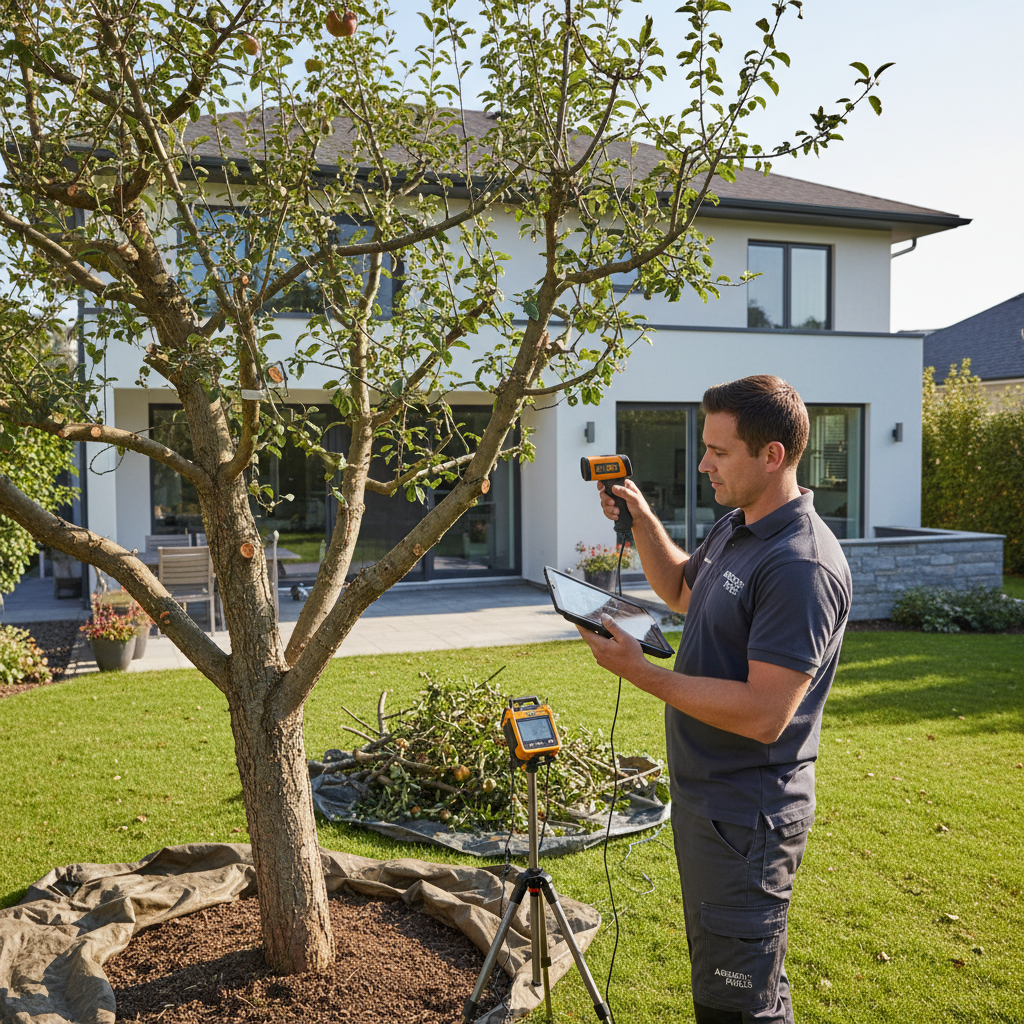
Quick Answer
If your fruit tree isn't producing fruit, is yielding poor quality fruit, or has excessive vegetative growth, the primary issue is often incorrect or neglected pruning. Proper pruning techniques focus on establishing strong tree structure, promoting light and air circulation throughout the canopy, and encouraging the development of fruit-bearing wood. This involves removing dead, diseased, or crossing branches, as well as thinning out dense growth to redirect the tree's energy into fruit production rather than excessive foliage.
Common Symptoms
- Significantly low fruit yield despite tree maturity
- Poor fruit quality (small size, lack of color, mealy texture, or disease susceptibility)
- Excessive leafy growth and few fruiting spurs
- Presence of dead, diseased, or damaged branches
- Dense canopy preventing sunlight from reaching inner branches and fruit
- Tree growing too tall or wide, making harvesting difficult or unsafe
- Weakly attached or poorly angled branches susceptible to breaking
- Increased pest and disease problems due to poor air circulation
Possible Causes
- Improper pruning techniques, such as heading cuts instead of thinning cuts, which promote bushy growth rather than fruit
- Pruning at the wrong time of year, removing potential fruit buds or causing undue stress
- Lack of 'formative pruning' in young trees, leading to a weak or unproductive structure
- Failure to remove dead, diseased, or rubbing branches, which can harbor pests and disease
- Insufficient thinning of the canopy, leading to shaded fruit and poor air circulation
- Over-pruning or removing too much fruit-bearing wood (fruiting spurs)
- Using dull or dirty tools, resulting in jagged cuts and increased risk of disease
- Neglecting annual maintenance pruning, allowing the tree to become overgrown and unproductive
Step-by-Step Diagnosis
- Conduct a visual assessment from a distance. Observe the tree's overall shape, size, and balance. Note any areas that appear unusually dense or sparse.
- Identify your fruit tree species. Different trees (apple, peach, cherry, etc.) have slightly different pruning requirements and fruiting habits.
- Inspect for the '3 D's': Dead, Diseased, or Damaged branches. Look for brittle wood, discolored bark, cankers, or broken limbs. Perform a 'scratch test' on questionable branches.
- Examine the canopy density. Can sunlight easily penetrate to the center of the tree? Are there many crossing branches, water sprouts (vertical shoots), or suckers (shoots from the base/roots)?
- Locate fruiting wood. Identify fruiting spurs (short, stubby branches with fruit buds) versus vegetative growth (longer, leafy branches). Note their distribution.
- Assess branch angles and structural integrity. Look for branches growing at narrow angles (less than 45 degrees), which are prone to splitting.
- Formulate a pruning plan. Before making any cuts, decide which branches need to be removed or shortened to achieve your goals (health, structure, production). Visualize the outcome.
DIY vs Professional Costs
| Repair | DIY cost | Pro cost | Time |
|---|---|---|---|
| Basic Cleanup (Deadwood, Suckers) | $50-150 | $150-300 | 1-2 hours |
| Annual Maintenance Pruning (Small tree <15ft) | $50-150 | $250-500 | 2-4 hours |
| Major Restoration (Large, neglected tree >20ft) | $100-300 (Don't do it) | $500-1200+ | 4-8 hours |
When to Call a Pro
- When the tree is too tall and requires working from a tall ladder or bucket lift, posing a significant safety risk for homeowners.
- If large branches (over 4 inches in diameter) need removal, which requires specialized tools, techniques, and safety equipment to prevent injury or property damage.
- For severely neglected or overgrown trees that require extensive renovation pruning, which can be a multi-year project best planned by an expert.
- When you suspect a serious tree disease or infestation that traditional pruning alone cannot fix. A certified arborist can diagnose and recommend treatment.
- If you want to ensure the long-term health and productivity of a valuable specimen tree, and prefer professional guidance or ongoing maintenance.
- When you are unsure about the specific pruning needs of a particular fruit tree variety or if you lack confidence in making the correct cuts.
Prevention Tips
- Implement formative pruning early in a tree's life (first 3-5 years) to establish a strong central leader or open vase structure, encouraging fruit production from the start.
- Perform annual maintenance pruning in late winter (dormant season) to remove deadwood, thin the canopy, and maintain shape. This promotes vigor and fruit set.
- Always use sharp, clean pruning tools (bypass pruners, loppers, hand saw). Clean blades with rubbing alcohol between trees to prevent disease spread.
- Prioritize the removal of the '3 D's': Dead, Diseased, and Damaged wood, regardless of the season.
- Focus on opening the internal canopy to ensure ample sunlight and air circulation, which are crucial for fruit development and disease prevention.
- Avoid removing more than 20-30% of the tree's living canopy in a single year to prevent stressing the tree. Severe pruning can trigger excessive water sprout growth.
- Understand the purpose of different cuts: thinning cuts (removing entire branches) for light and air, and heading cuts (shortening branches) for promoting bushiness (use sparingly on fruit trees).
- Regularly monitor your tree for signs of pests or diseases and address them promptly. A healthy tree is a productive tree.
FAQs
What is the best time of year to prune most fruit trees?
For most deciduous fruit trees like apples, pears, and plums, the best time for major structural pruning is late winter (dormant season), typically from late January to early March, before bud break. The tree is dormant, making it easier to see the structure, and it minimizes stress. Minor summer pruning can be done to control vigorous growth or remove water sprouts.
How do I know if I'm cutting off the fruit-bearing parts?
Fruiting wood varies by species. Apples and pears often produce on 'fruiting spurs' – short, stubby branches that might have flower buds. Peaches, nectarines, and some plums fruit on one-year-old wood. When pruning, learn to distinguish between these fruit-bearing structures and vegetative growth (long, leafy shoots) to ensure you're not removing your future harvest. The goal is to thin out excess vegetative growth to promote light and air to the fruiting wood.
Can I prune a fruit tree too much?
Yes, over-pruning can be detrimental. Removing too many branches at once (more than 20-30% of the canopy) can stress the tree, leading to sunburn, excessive water sprout growth, or reduced future fruit production. Severe pruning should be avoided unless absolutely necessary for renovation, and even then, it's often best done gradually over several years.
What's the difference between a 'heading cut' and a 'thinning cut'?
A 'heading cut' involves shortening a branch, which encourages new growth to sprout from buds just below the cut, making the tree bushier. A 'thinning cut' involves removing an entire branch back to its point of origin (trunk or another branch), which opens up the canopy, improves light penetration, and reduces overall density. For fruit trees, thinning cuts are generally preferred as they promote better fruit production and air circulation, while heading cuts are used sparingly.
My fruit tree is covered in suckers and water sprouts. What should I do?
Suckers are shoots that grow from the rootstock or base of the tree, while water sprouts are vigorous, upright shoots that grow from lateral branches. Both are usually unproductive and divert energy from fruit production. It's best to remove suckers as soon as they appear by cutting them flush with the trunk or ground. Water sprouts can be removed during dormant pruning, or rubbed off when young and tender during the growing season.
Related guides
- Fruit Tree Not Producing Fruit? A Practical Pruning Guide for Homeowners
- Tree Fell on My House? Immediate Steps & Expert Guide
- Is Your Tree a Goner? Identifying Signs That a Tree Needs a Pro (Troubleshooting & Fixes)
- Neglected Tree Maintenance and DIY Tree Work Risks (Troubleshooting & Fixes)
- DIY Tree Pruning Gone Wrong (How to Fix the Damage & Not Get Yourself Killed)
- Hiring a Certified Arborist: How to Not Get Ripped Off (Questions & Fixes)