Tree Fell on My House? Immediate Steps & Expert Guide
Experiencing a tree falling on your house is an emergency. This comprehensive guide details immediate safety steps, who to call (911, insurance, emergency tree services), how to assess structural damage, and crucial prevention tips to mitigate risk.
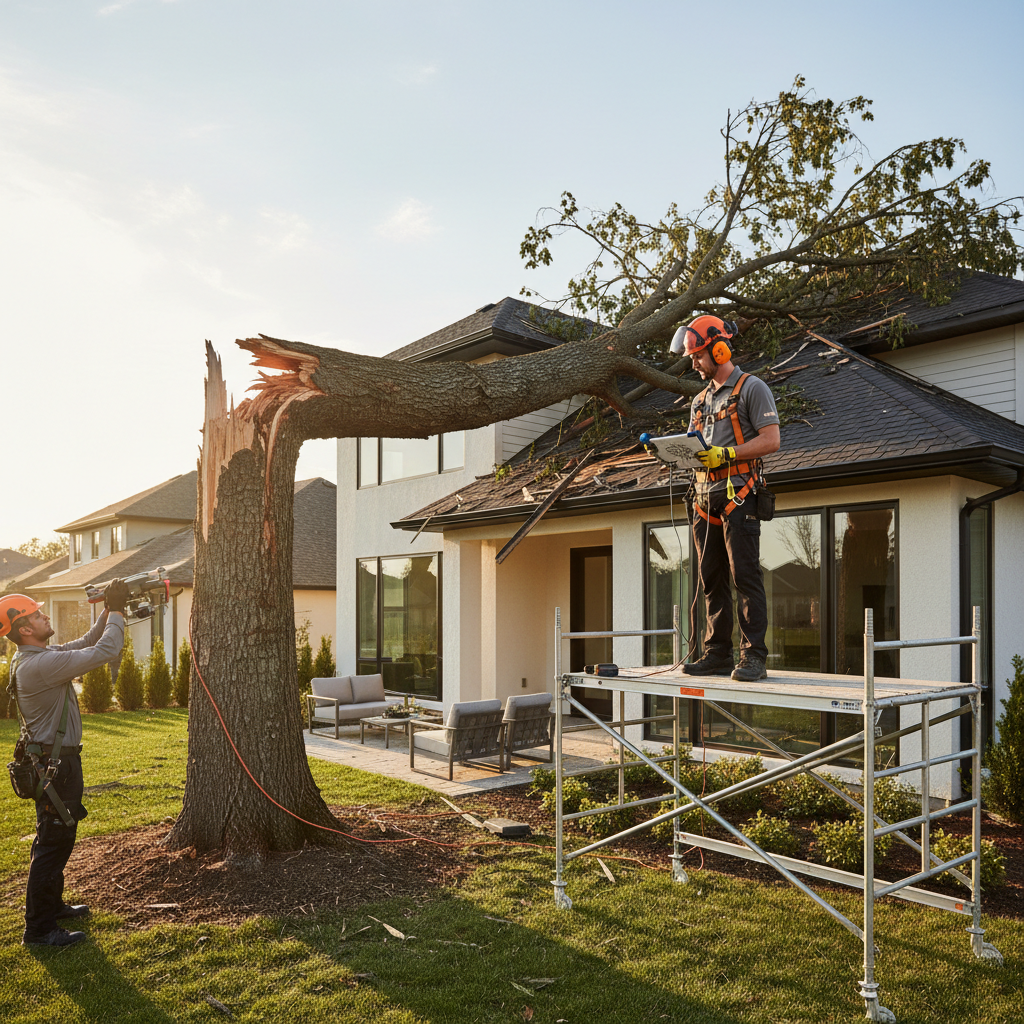
Quick Answer
Okay, so there's a tree on your house. Deep breath. First thing's first: get everyone out SAFELY. Don't be a hero. If you smell gas or see downed power lines, get way back and call 911. After that, your next two calls are to your insurance company—like Progressive or whoever you got—and a 24/7 emergency tree service. Do NOT try to cut or move it yourself. This isn't a DIY job. It's dangerous. You're looking at anywhere from $1,000 to over $7,000 for removal, but insurance should cover most of it. The key is safety first, then acting fast.
Common Symptoms
- Visible damage to the house structure (roof, walls, windows)
- Damaged utility lines (electrical, gas)
- Fallen tree branches or entire tree on property
- Structural compromise of the home (e.g., sagging roof, cracked walls)
- Exposed interior of the home to elements
- Blocked access to property or home
Possible Causes
- Severe weather (high winds, heavy rain, snow, ice storms) causing tree failure or uprooting
- Diseased or decaying trees with weakened structural integrity
- Pest infestations compromising tree health, like the Emerald Ash Borer
- Poor tree maintenance, especially improper 'topping' which creates weak branches
- Shallow or compromised root systems, often in soggy soil
- Old age of the tree combined with other stress factors
Step-by-Step Diagnosis
- Ensure everyone's safety and evacuate the house immediately.
- If you see downed lines or smell gas, call 911 from a safe distance.
- If it can be done safely from the outside, shut off the main electrical breaker and gas meter.
- Document the damage thoroughly with photos and videos for insurance purposes.
- Call your insurance company's 24/7 claims line to report the incident.
- Call a 24/7 emergency, insured tree removal service.
DIY vs Professional Costs
| Repair | DIY cost | Pro cost | Time |
|---|---|---|---|
| Emergency Tree Removal (Tree on House) | N/A - EXTREMELY DANGEROUS | $1,000 - $7,000+ | 4-12 hours |
| Emergency Tree Removal (Tree blocking driveway) | N/A - Still very risky | $500 - $3,000 | 2-6 hours |
| Temporary Roof Tarping | $50-100 | $200 - $800 | 1-3 hours |
| Structural Engineer Assessment | N/A | $300 - $1,000 | 2-4 hours |
When to Call a Pro
- Always call a professional immediately when a tree has fallen on your house or any other structure.
- Call a pro when utility lines (electrical, gas) are involved or damaged. Call 911 first in this case.
- If there is any sign of significant structural damage to the home, a pro is needed to assess and secure the site.
- When the tree is too large or heavy for any hope of DIY removal, which is almost always the case.
- If the tree is visibly unstable, shifting, or making noise after falling.
Prevention Tips
- Regularly inspect trees on your property for signs of disease, decay, or instability (leaning, cracks, fungus).
- Hire a certified arborist for routine tree maintenance, including proper pruning and removal of hazardous limbs.
- Ensure proper clearance between large trees and your home/utility lines.
- Be aware of severe weather forecasts and check on vulnerable trees afterward.
- Plant appropriate tree species for your climate and soil, and plant them at a safe distance from structures.
FAQs
Will my homeowner's insurance cover tree damage?
Most of the time, yes. Standard policies typically cover damage from fallen trees and the cost to remove the tree from the structure itself. However, every policy is different, so you must call your agent to confirm your specific coverage.
Should I try to cut up the tree myself?
Absolutely not. A fallen tree is under immense and unpredictable tension. Making a wrong cut can cause it to spring, roll, or shift, which is incredibly dangerous and can cause severe injury or further property damage. Leave it to the pros.
What kind of professional should I call first?
If there are injuries, fire, or you suspect downed power/gas lines, your first call is always 911. After that, call your insurance company's 24/7 claims line, then immediately call a 24/7 emergency tree service. You can do both calls back-to-back.
How quickly do I need to act after a tree falls?
Immediately. The longer a tree rests on your house, the more structural strain it causes. An open roof also invites water and pests, leading to costly secondary damage. Time is of the essence.
What should I do about power lines?
Stay far away. Assume any downed line is live. Keep at least a 30-foot radius clear. Do not approach, and do not touch anything that is in contact with the line. Only the utility company is qualified to handle them.
Do I need to get multiple quotes for emergency tree removal?
In a true emergency, your priority is to mitigate further damage. Call a reputable, insured, 24/7 company that can respond quickly. Your insurance company will understand this. You don't have time to 'shop around' when water is pouring into your house.
Related guides
- Fruit Tree Not Producing Fruit? A Practical Pruning Guide for Homeowners
- Tree Fell on My House? Immediate Steps & Expert Guide
- Is Your Tree a Goner? Identifying Signs That a Tree Needs a Pro (Troubleshooting & Fixes)
- Neglected Tree Maintenance and DIY Tree Work Risks (Troubleshooting & Fixes)
- DIY Tree Pruning Gone Wrong (How to Fix the Damage & Not Get Yourself Killed)
- Hiring a Certified Arborist: How to Not Get Ripped Off (Questions & Fixes)