Quick Answer
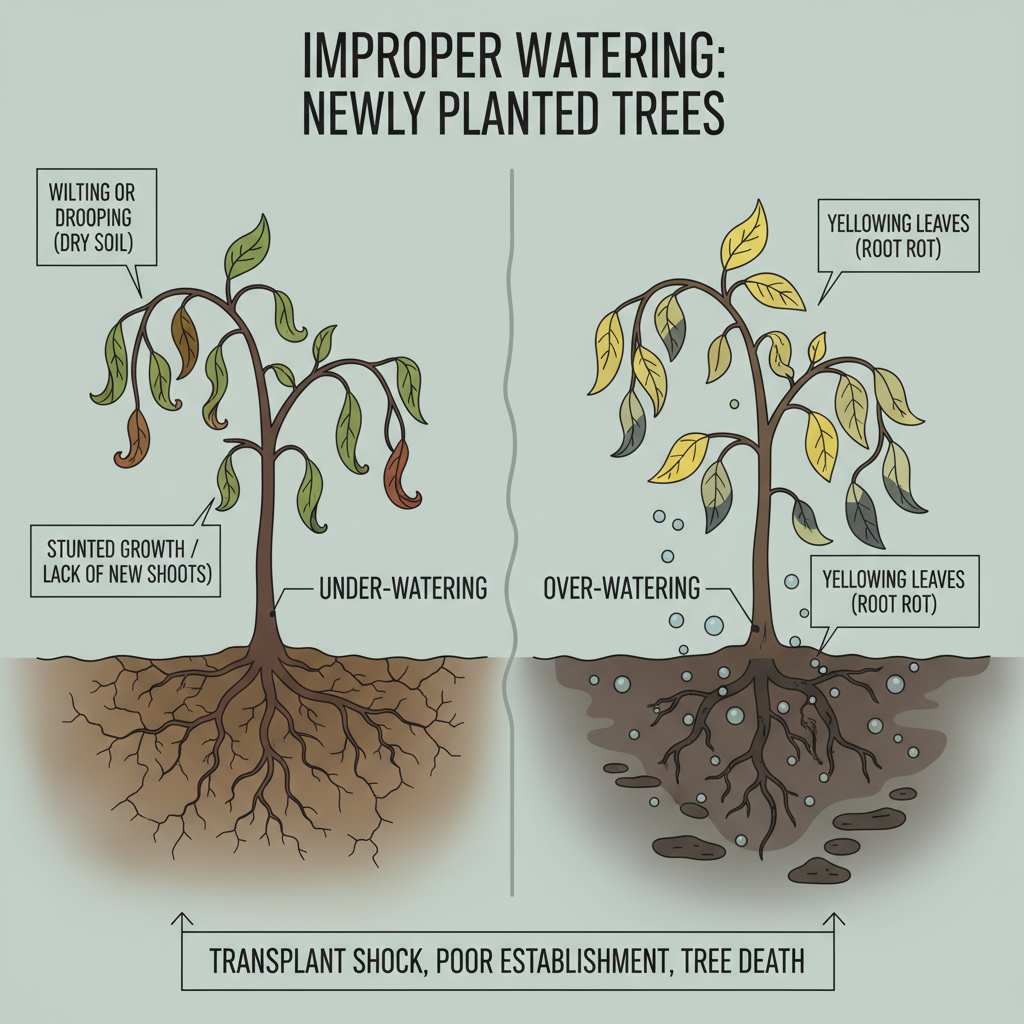
Okay, so here's the quick version. Your new tree is probably either drowning or thirsty, and it's making it look sad. The fix is simple: check the soil moisture and texture. Stick your finger 4-6 inches down near the root ball. If it's bone dry, you need to water it slowly and deeply. If it's soggy or a swamp, stop watering and let it dry out. Honestly, 90% of the time the fix costs you nothing but a little know-how. Worst case, you buy a $25-$75 soaker hose or moisture meter. If it looks *really* bad or you suspect root rot, you might need an arborist to come look, which'll typically run you $150-$400 for a consultation.
Common Symptoms
Possible Causes
Step-by-Step Diagnosis
Step 1
Visually inspect the tree for symptoms like wilting, yellowing, browning leaves, or lack of growth.
Step 2
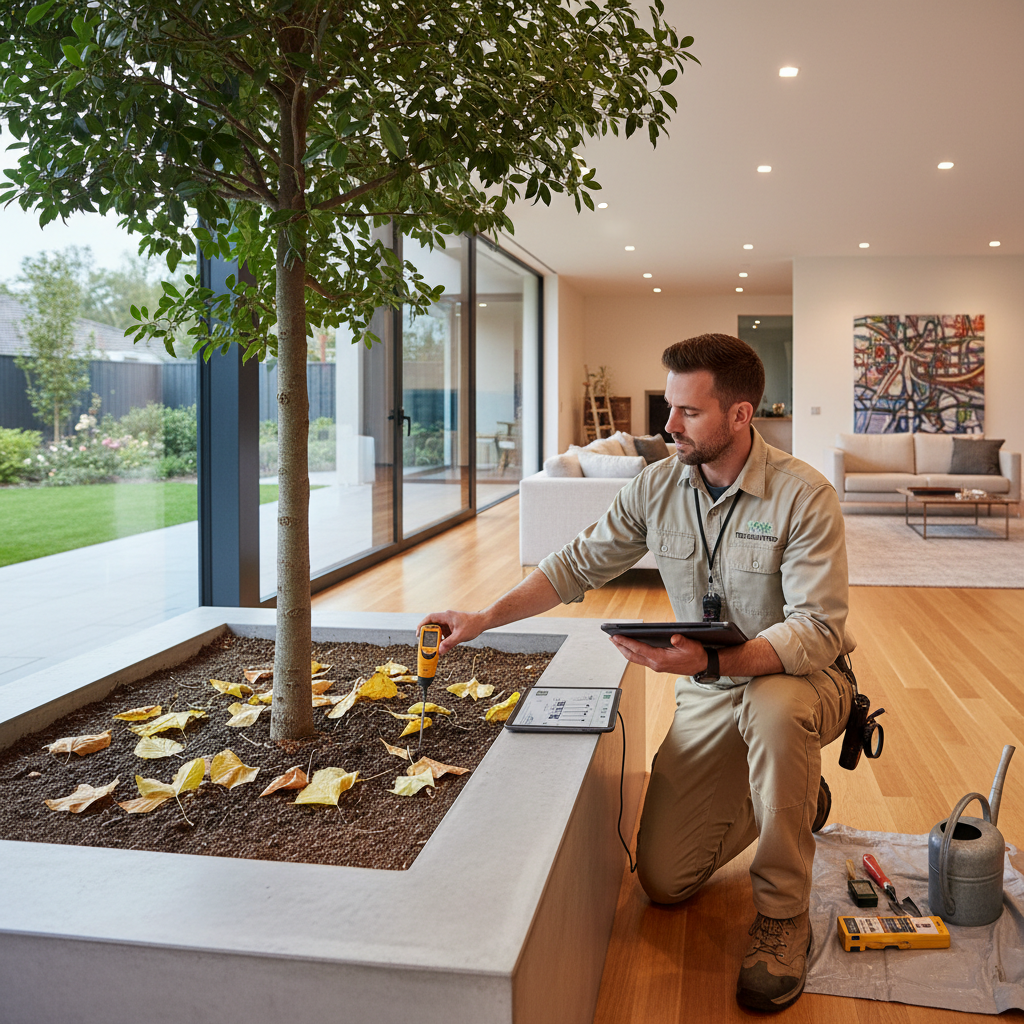
Check the soil moisture level at the root ball depth (6-12 inches) using a moisture meter, finger test, or trowel. Aim for consistently moist, but not waterlogged, soil.
Step 3
Observe the watering routine – frequency, duration, and volume. Is water penetrating deeply, or is it running off?
Step 4
Examine the base of the tree for signs of disease (e.g., fungal growth, slime) or insect infestation, which can sometimes be secondary issues to stressed trees.
Step 5
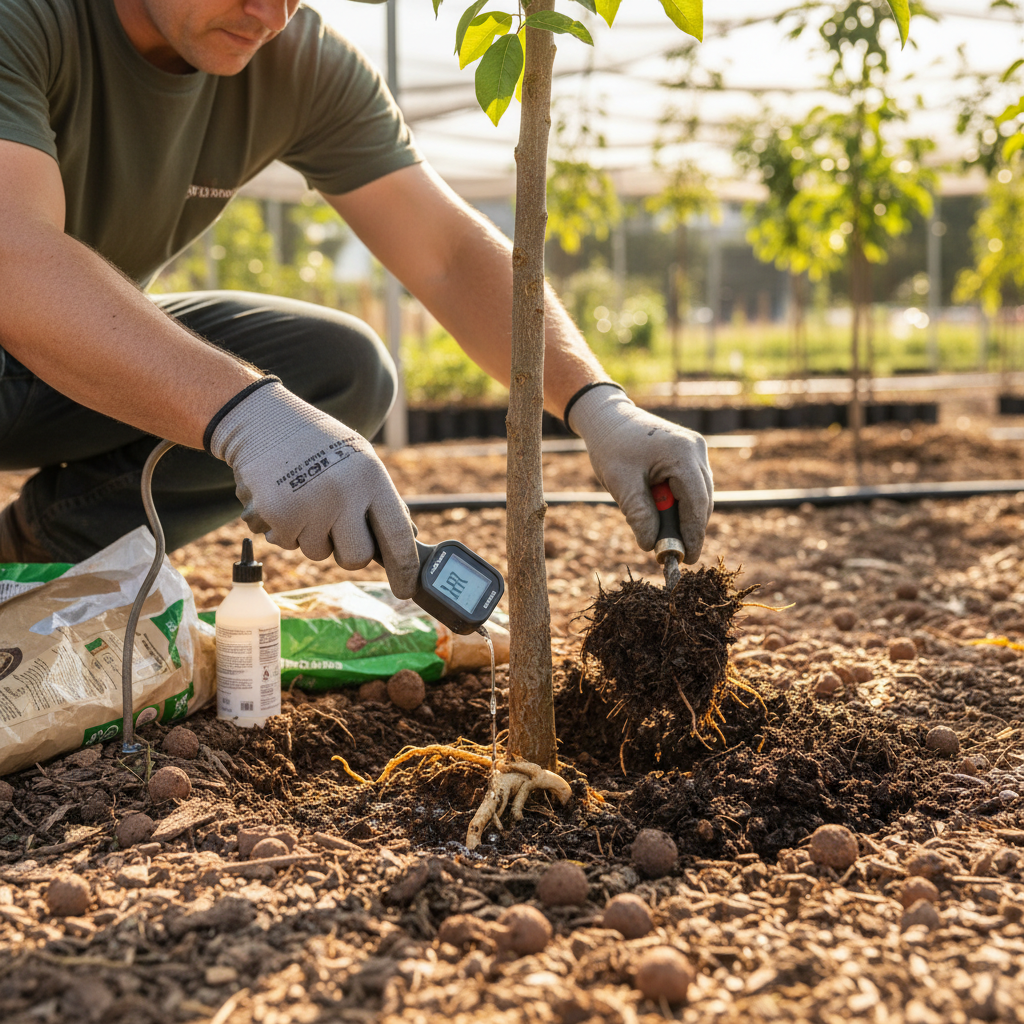
Gently probe the root flare to ensure it's not buried too deeply, as this can contribute to stress and stem rot, impacting water uptake.
Step 6
Assess drainage. Dig a small hole near the tree and fill it with water; if it takes more than a few hours to drain, drainage is poor.
DIY vs Professional Costs
| Repair Type | DIY Cost | Professional Cost | Time Required |
|---|---|---|---|
Fixing Under-Watering | $0 - $75 | $100 - $400 | 1-2 hours/week |
Fixing Over-Watering | $0 - $50 | $75 - $300 | 5 minutes |
Proper Mulching | $30 - $150 | $200 - $500 | 1 hour |
Pruning Dead Branches | $0 - $60 | $200 - $500+ | 30 mins - 2 hours |
Dead Tree Removal | N/A | $300 - $2,000+ | N/A |
When to Call a Professional Tree Service
- If the tree looks the same or worse after you've corrected the watering for 2-3 weeks.
- If you smell a foul, swampy odor or see mushrooms growing at the base of the tree, which indicates advanced root rot.
- If the tree is large and has dead or dying branches that are too high to reach safely from the ground.
- If you discover the tree was planted too deep and the root flare is buried; correcting this is a delicate job.
- If the tree is more than 50% brown or looks dead, and you need an expert opinion on whether it can be saved or needs to be removed.
Prevention Tips
- Water Deeply, Not Often: Use a soaker hose or watering bag to deliver a slow, deep soak once or twice a week, rather than a brief, shallow spray daily.
- Mulch Like a Donut, Not a Volcano: Apply a 2-4 inch layer of organic mulch around the tree, but keep it several inches away from the trunk to prevent rot.
- Know Your Soil Before You Plant: Test your soil's drainage before planting to see if you have heavy clay or fast-draining sand, and amend if necessary.
- Check Before You Water: Always check the soil moisture with your finger before watering. Don't just water on a rigid schedule; let the soil tell you what it needs.
- Ensure Proper Planting Depth: When planting, make sure the root flare (where the trunk widens) is visible at or slightly above ground level. Never bury it.
Frequently Asked Questions
Related Guides
Preparing Trees for Winter Storms (Troubleshooting & Fixes)
A veteran arborist's guide to prepping your trees for winter. Learn how to spot risks and prevent storm damage before it costs you a new roof.
Identifying common tree pests and diseases and their impact on tree health and longevity. Troubleshooting & Fixes
Identifying Diseased Tree Branches: A Homeowner's Visual Guide to Early Detection Troubleshooting & Fixes (2024 Guide)
Seeing sick branches on your tree? A veteran arborist explains how to spot disease, what it means, and when you can DIY the fix or need to call a pro.
Wrong Tree, Wrong Place Problems (Troubleshooting & Fixes)
Seeing property damage or have a sick tree? You might've planted the wrong tree in the wrong spot. Here's a veteran arborist's guide to fixing it.
Tree Fell on My House? (Here's What to Do NOW)
A tree fell on your house? Here's a no-nonsense guide from a 25-year veteran on what to do immediately, who to call, and how to handle the chaos.
Assessment and safe cleanup of trees damaged by storms, including fallen trees, broken limbs, split trunks, and leaning trees. Troubleshooting & Fixes (2024 Guide)
A storm just wrecked your yard? Here's my no-nonsense guide from 25+ years in the field on how to safely assess damaged trees and what you should—and shouldn't—tackle yourself.
Need Professional Help?
Find top-rated tree service experts in your area