Quick Answer
The direct answer is good, but adding a brief mention of checking basements/crawl spaces would improve completeness, as these are common mold hiding spots. Also, explicitly stating that mold smell without visible mold is a strong indicator of hidden mold growth would reinforce the point.
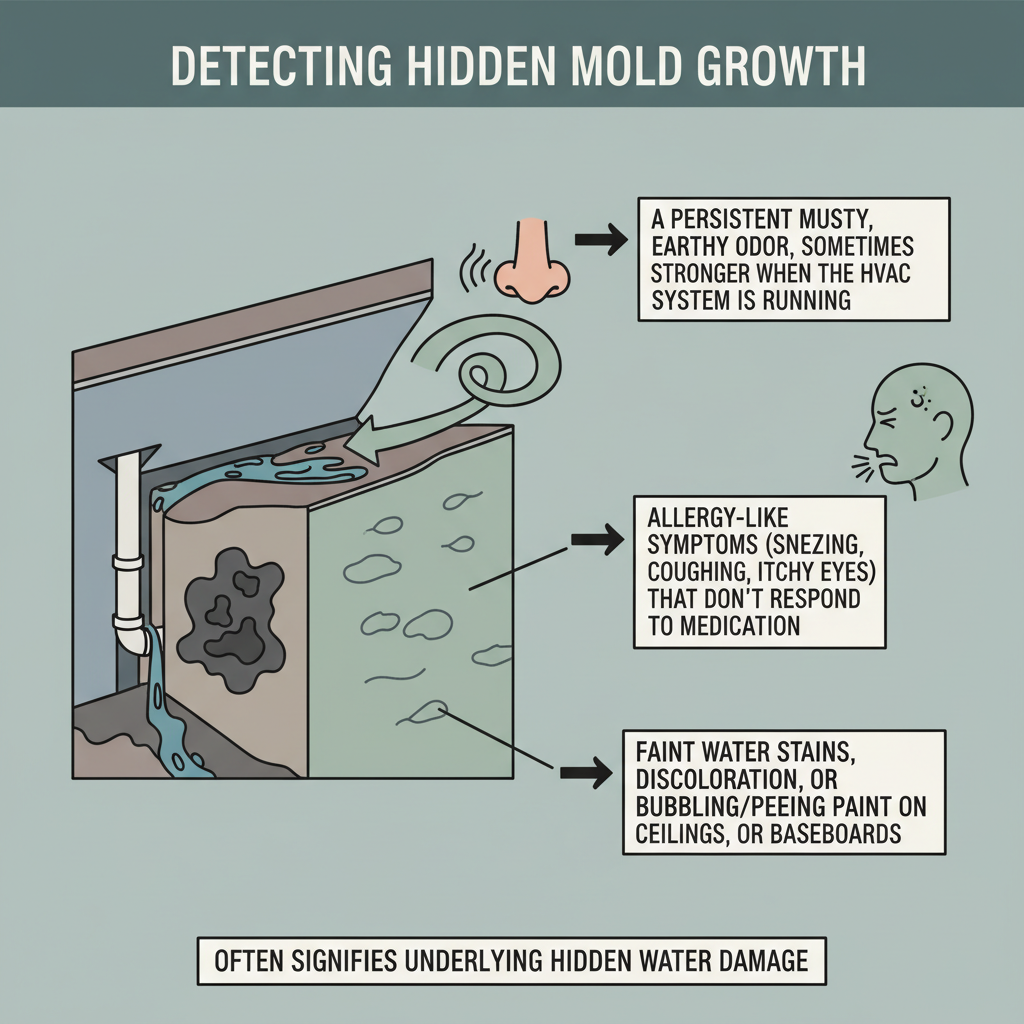
Common Symptoms
Possible Causes
Step-by-Step Diagnosis
Step 1
Use your nose to pinpoint the area of the house where the musty smell is the strongest.
Step 2
Perform a thorough visual inspection with a bright flashlight, looking for subtle signs like faint stains or peeling paint, especially under sinks and behind appliances.
Step 3
Gently push on suspicious drywall to check for softness and tap the wall to listen for changes in sound indicating moisture.
Step 4
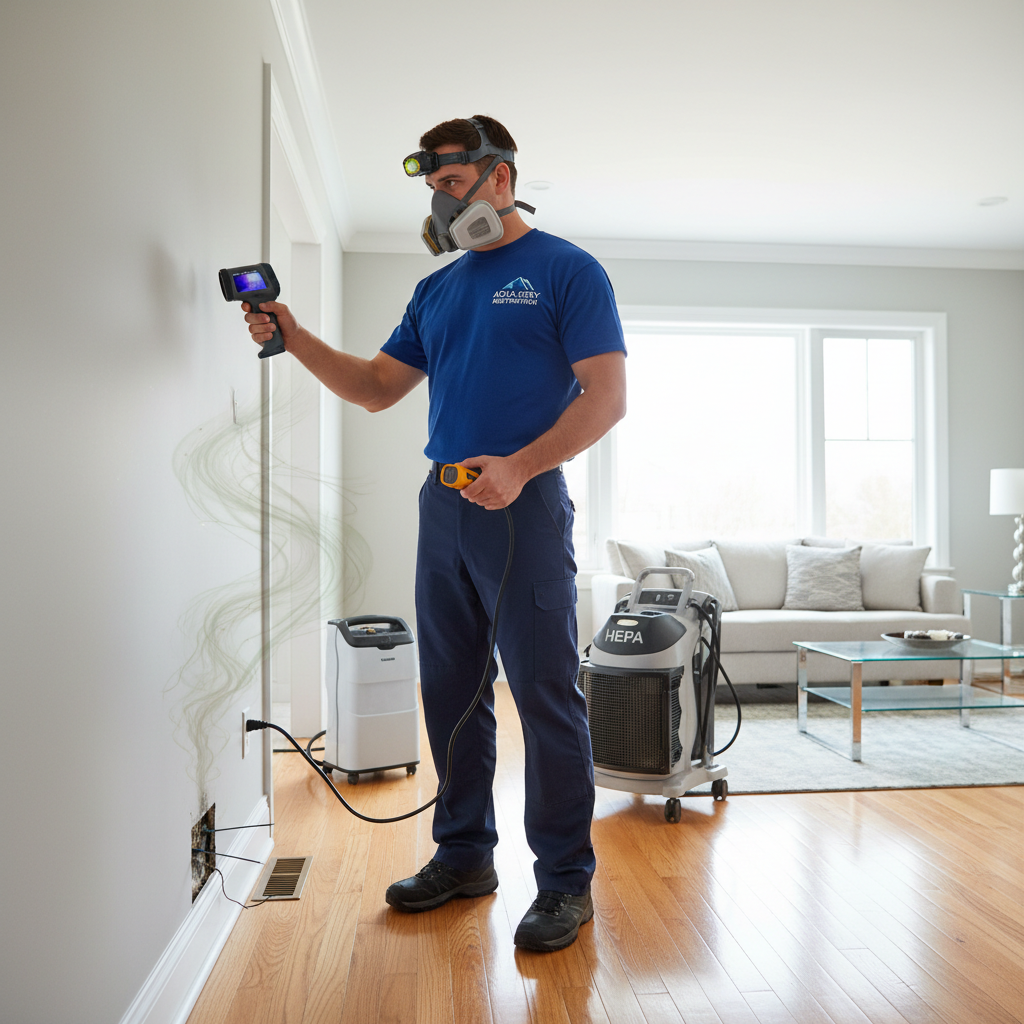
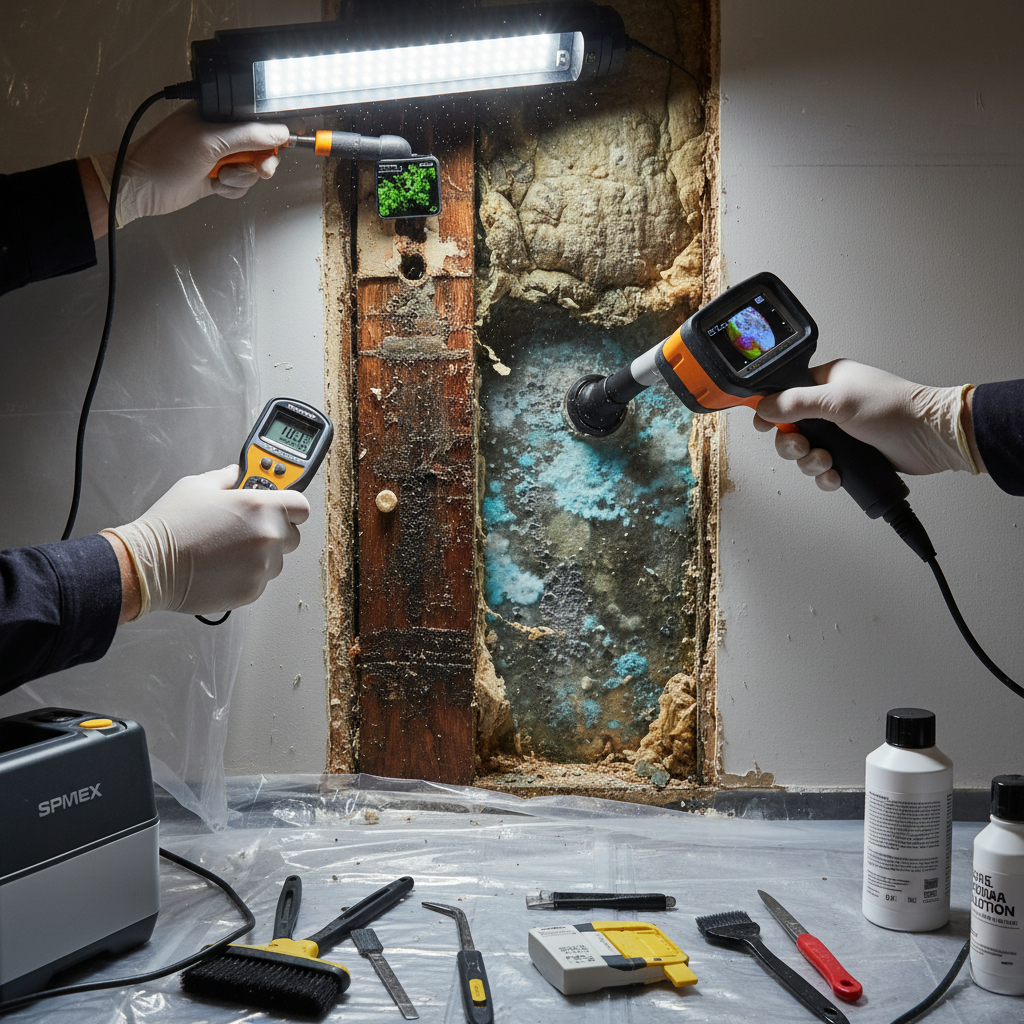
Use a moisture meter to get quantitative readings on drywall and wood; readings above 20% indicate a problem.
Step 5
Inspect the HVAC system, filter, and accessible ductwork for any signs of dampness or musty odors.
Step 6
Avoid using home test kits as they are often unreliable and can't pinpoint a specific problem area or concentration.
DIY vs Professional Costs
| Repair Type | DIY Cost | Professional Cost | Time Required |
|---|---|---|---|
Professional Mold Inspection | N/A | $300 - $700 | 2-4 hours |
Address Minor Leak (under sink, etc.) | $10 - $50 | $200 - $400 | 1-2 hours |
Replace Small Section of Moldy Drywall (<10 sq ft) | $100 - $300 | $500 - $2,500 | 4-8 hours (DIY) |
Medium Remediation (inside a wall) | Not Advised | $2,500 - $7,500 | 2-4 days |
Extensive Remediation (structural, multiple rooms) | Don't even try | $15,000 - $50,000+ | 1-3 weeks+ |
When to Call a Professional Water Damage
- If you can't locate the source of the musty smell after a thorough DIY investigation.
- If you discover a mold-affected area larger than 10 square feet.
- If anyone in the household is experiencing persistent health issues that might be related to mold.
- If the water damage was caused by sewage or floodwater, as this is a biohazard.
- If you are not comfortable or equipped to safely handle mold removal, which requires containment and proper PPE.
Prevention Tips
- Fix all water leaks immediately, no matter how small.
- Use a dehumidifier in basements, crawlspaces, and other damp areas to maintain humidity below 60%.
- Run bathroom and kitchen exhaust fans during and for 20-30 minutes after creating moisture.
- Regularly clean gutters to ensure water is directed away from the foundation.
- Periodically inspect and clean behind/under appliances like refrigerators and washing machines.
Frequently Asked Questions
Related Guides
Sewage Backup in House: A Technician's Guide to Troubleshooting & Fixes (2024)
Seeing sewage backup in your tub or basement? A 25-year tech explains the causes (tree roots, clogs) and what to do *right now* to stop the damage.
Foundation Water Damage (Troubleshooting & Fixes)
A veteran tech's guide to foundation water damage. Learn to spot signs like musty smells and cracks, understand causes, and find DIY and pro solutions.
Comprehensive understanding of professional water damage restoration processes, including what experts look for, their procedures, and mitigation strategies for homes. Troubleshooting & Fixes
A veteran tech's guide to a pro water damage checklist. Find out what we look for, the real process, and how to know when to call for help.
Comprehensive water damage inspection checklist: What professionals look for, including common symptoms, causes, diagnostic procedures, repair options, costs, and prevention. Troubleshooting & Fixes
A veteran tech's no-nonsense water damage inspection checklist. Learn what pros look for, how to spot trouble, and what it'll really cost to fix.
Hot Water Heater Leaking Troubleshooting & Fixes (From a 25-Year Pro)
Water heater leaking? A veteran tech shares emergency steps to stop the water damage now. Find out if it's a simple DIY fix or time to call a pro.
Ice Dam Prevention (Troubleshooting & Fixes)
Tired of ice dams wrecking your roof and leaking into your house? Here's a no-nonsense guide from a 25-year vet on how to fix 'em and stop 'em for good.
Need Professional Help?
Find top-rated water damage experts in your area