Quick Answer
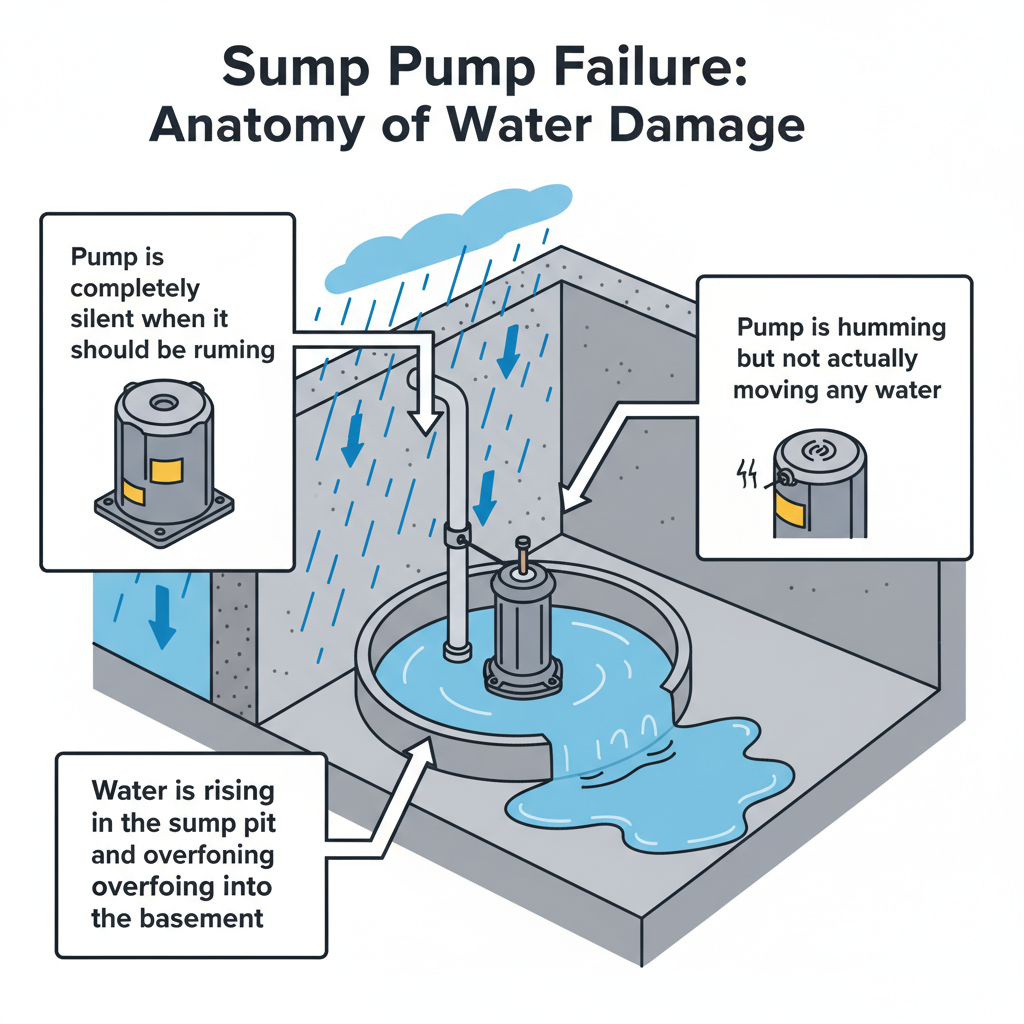
Okay, so here's the quick version. Your sump pump quit and the water's rising. Don't panic yet. Nine times out of ten, it's something simple. First, check the power. I know, I know, but you'd be surprised. Is the breaker tripped? Is it unplugged? Next, find the float switch and give it a lift; it's a common culprit for getting stuck. Could also be junk clogging the intake at the bottom. These initial checks are free. If the motor's just humming or dead silent after these checks, you're likely looking at a replacement, which could run $450-$900 for a professional installation, depending on the pump and labor.
Common Symptoms
Possible Causes
Step-by-Step Diagnosis
Step 1
Check for power by ensuring the pump is plugged in and the circuit breaker hasn't tripped.
Step 2
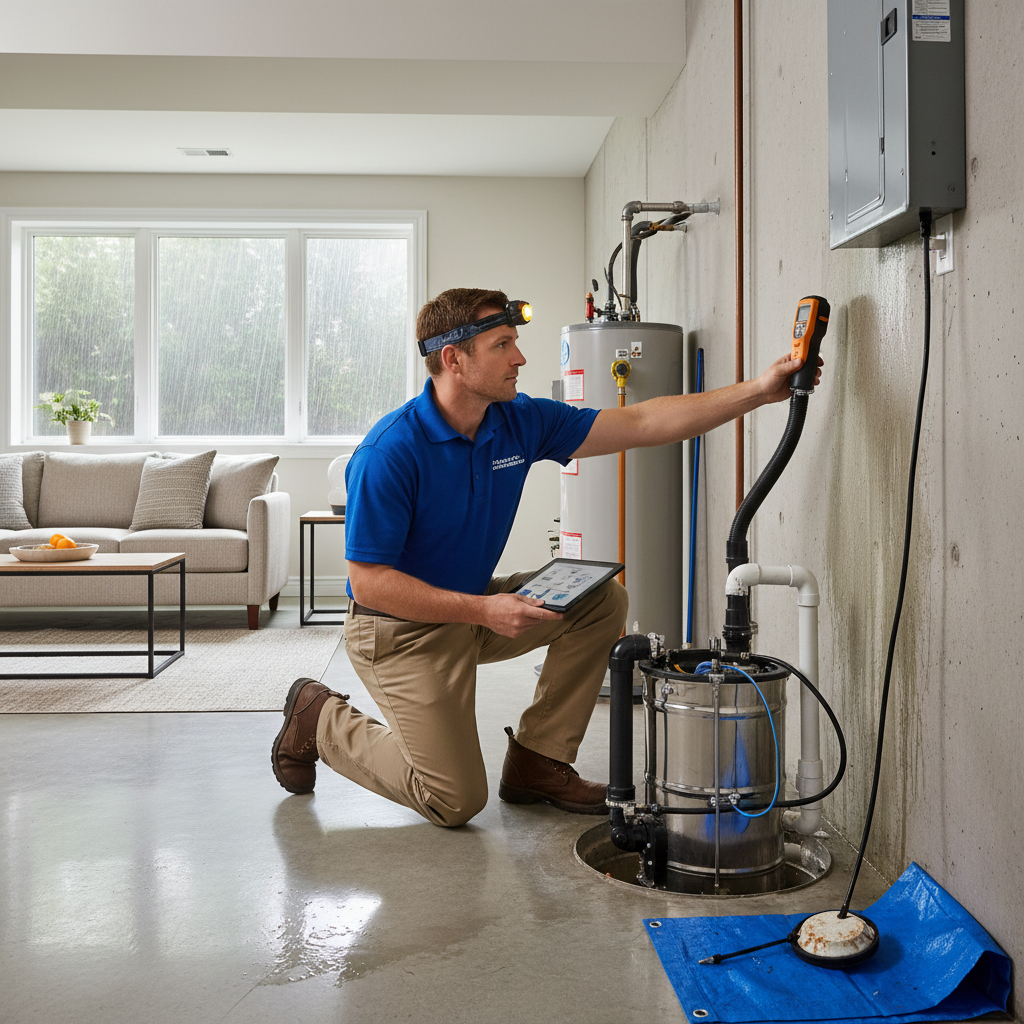
Manually lift the float switch to see if the pump motor kicks on.
Step 3
Inspect the sump pit and the pump's intake screen for any debris that could be causing a clog.
Step 4
Examine the exterior discharge pipe to make sure it's not blocked by leaves, debris, or ice.
Step 5
Listen for the specific sound the pump is making - silence, a hum, or a grinding noise all mean different things.
DIY vs Professional Costs
| Repair Type | DIY Cost | Professional Cost | Time Required |
|---|---|---|---|
Clearing a Clogged Pit or Intake | $0-10 | $150-300 | 1 hour |
Replacing a Separate Float Switch | $30-70 | $200-350 | 1 hour |
Replacing a Basic 1/3 HP Sump Pump | $150-300 | $450-900 | 2-3 hours |
Installing a New Pump + Battery Backup System Most Common | $500-1000 | $1,200-2,700+ | 3-5 hours |
When to Call a Professional Water Damage
- If you smell burning or see any smoke coming from the pump or outlet.
- When the motor is making loud grinding or screeching noises.
- If the circuit breaker trips repeatedly, indicating an electrical short.
- After you've performed all the basic checks (power, float switch, clogs) and it still won't work.
- If you're not comfortable or experienced with working with plumbing and electricity simultaneously.
Prevention Tips
- Regularly test your pump by pouring a 5-gallon bucket of water into the pit.
- Clean out debris and sludge from the bottom of the sump pit annually.
- Install a battery backup sump pump for protection during power outages.
- Ensure the exterior discharge line is clear of obstructions like leaves or ice.
- Consider replacing any pump that is approaching 10 years of age before it fails.
Frequently Asked Questions
Related Guides
Sewage Backup in House: A Technician's Guide to Troubleshooting & Fixes (2024)
Seeing sewage backup in your tub or basement? A 25-year tech explains the causes (tree roots, clogs) and what to do *right now* to stop the damage.
Foundation Water Damage (Troubleshooting & Fixes)
A veteran tech's guide to foundation water damage. Learn to spot signs like musty smells and cracks, understand causes, and find DIY and pro solutions.
Comprehensive understanding of professional water damage restoration processes, including what experts look for, their procedures, and mitigation strategies for homes. Troubleshooting & Fixes
A veteran tech's guide to a pro water damage checklist. Find out what we look for, the real process, and how to know when to call for help.
Comprehensive water damage inspection checklist: What professionals look for, including common symptoms, causes, diagnostic procedures, repair options, costs, and prevention. Troubleshooting & Fixes
A veteran tech's no-nonsense water damage inspection checklist. Learn what pros look for, how to spot trouble, and what it'll really cost to fix.
Hot Water Heater Leaking Troubleshooting & Fixes (From a 25-Year Pro)
Water heater leaking? A veteran tech shares emergency steps to stop the water damage now. Find out if it's a simple DIY fix or time to call a pro.
Ice Dam Prevention (Troubleshooting & Fixes)
Tired of ice dams wrecking your roof and leaking into your house? Here's a no-nonsense guide from a 25-year vet on how to fix 'em and stop 'em for good.
Need Professional Help?
Find top-rated water damage experts in your area