Quick Answer
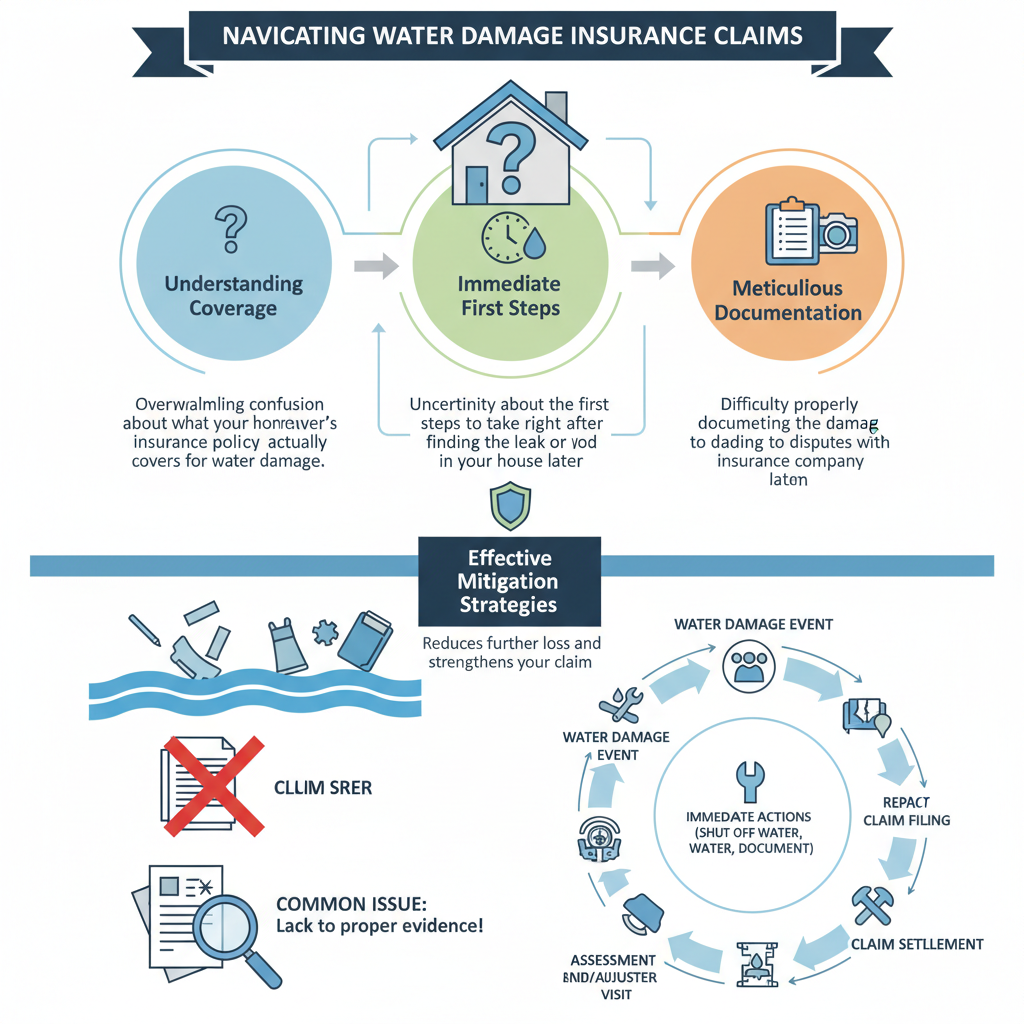
Okay, so here's the quick version. Your pipe bursts, your world is wet. First, stop the water. Find the main shutoff and crank it closed. Then, start taking pictures. I mean a TON of pictures. Video, too. After that, call your insurance company to start the claim. You've gotta show them you're stopping more damage from happening—that's called mitigation. This process ain't a real repair, it's a whole different beast. The claim process can be a pain in the rear, and if it gets hairy, you might even need to call a public adjuster to fight for you.
Common Symptoms
Possible Causes
Step-by-Step Diagnosis
Step 1
Immediately locate and shut off the water source (main house valve or fixture valve) to stop further damage. If water is near electricals, shut off power to the affected area at the breaker.
Step 2
Thoroughly document all damage with clear, high-resolution photos and narrated videos *before* cleaning up or moving anything. Capture overall areas and close-ups, especially of damaged personal property.
Step 3
Contact your insurance company's claims hotline as soon as possible to report the damage and obtain a claim number. Ask about next steps and who your assigned adjuster will be.
Step 4
Begin mitigation efforts to prevent secondary damage like mold. This includes removing standing water, using fans and dehumidifiers. For significant damage or contaminated water, hire a professional water mitigation company.
Step 5
Review your homeowner's insurance policy, paying close attention to water damage coverage, exclusions, deductibles, and your 'Duties After Loss' requirements.
Step 6
Obtain at least two independent, itemized estimates from licensed and reputable contractors for both mitigation (if not already done professionally) and full restoration/repair.
Step 7
Maintain a detailed log of all communications, noting dates, times, names, and conversations. Keep all receipts, invoices, and documents related to the claim organized.

DIY vs Professional Costs
| Repair Type | DIY Cost | Professional Cost | Time Required |
|---|---|---|---|
Immediate Water Shut-off and Small-Scale Water Removal | $0-50 | $200-500 (Emergency Plumber Call-out) | 1-3 hours |
Water Mitigation (Emergency Dry-out) | $50-300 (Renting Equipment) | $1,000 - $7,000+ | 3-5 days |
Water Damage Restoration (Repairs) | Not Recommended for Insurance Claims | $3,000 - $30,000+ | 1-4+ weeks |
Public Adjuster Services | N/A | Typically 10-20% of the settled claim, but can range from 5-15% in some states or for larger claims. | Varies |
When to Call a Professional Water Damage
- The moment you see standing water that's more than you can handle with a mop and bucket.
- If the water is contaminated (gray or black water from a toilet or sewer line). Don't even think about touching it.
- If you suspect the water has gotten inside walls, under flooring, or into your ceiling.
- If the water has been sitting for more than 24 hours, increasing the risk of serious mold growth.
- When you feel overwhelmed by the insurance process or believe your adjuster is giving you an unfair estimate; in this case, the 'pro' you call is a public adjuster.
Prevention Tips
- Know where your main water shutoff is and how to use it. Put a big, bright tag on it.
- Replace the cheap plastic/rubber water supply lines for your toilets, sinks, and washing machine with braided stainless steel lines.
- Install water leak detectors in high-risk areas like basements, laundry rooms, and under sinks. They're cheap insurance.
- Read your insurance policy every year. Call your agent and ask about adding endorsements for things like sewer backup and sump pump failure.
- Regularly inspect areas that can cause leaks: look under sinks, around toilets, and check the drain pan for your water heater and AC unit.
- Clean your gutters and make sure downspouts direct all water far away from your home's foundation.
Frequently Asked Questions
Related Guides
Sewage Backup in House: Comprehensive Guide to Troubleshooting & Fixes (2024)
Sewage backing up in your home? A 25-year plumbing expert explains immediate actions to stop the mess, common causes (tree roots, clogs), and when to call a pro. Learn prevention tips & health risks.
Preventing Seasonal Water Damage In Your Home (Troubleshooting & Fixes)
A veteran technician's guide to preventing seasonal water damage. Learn how to spot trouble, diagnose leaks, and decide when to DIY or call a pro to fix it.
Crawl Space Water Problems: A 25-Year Pro's Guide to Identification, Fixes, & Prevention
A seasoned pro's guide to fixing crawl space water issues. Learn to spot symptoms, find causes like bad drainage, and decide if it's a DIY fix or time to call for help.
Toilet Overflowing? How to Stop the Flood and Fix the Problem (Pro Tips)
Toilet overflowing? Don't panic! Get expert plumbing advice on how to stop the flood, diagnose common causes like clogs or sewer line issues, and when to call a professional plumber. Prevent water damage with these troubleshooting steps.
Drying a Wet Carpet After a Leak (Troubleshooting & Fixes)
Comprehensive guide on how to dry a wet carpet after a leak. Learn to identify symptoms, causes, and step-by-step diagnosis. Covers DIY methods for small spills, critical 24-48 hour mold prevention, and when to call professional water damage restoration. Includes prevention tips and FAQs.
Navigating Water Damage Insurance Claims (A Veteran Tech's Guide)
A veteran's guide to navigating water damage insurance claims. Learn crucial steps, documentation tips, coverage insights, and how to get a fair payout for your home's water damage.
Need Professional Help?
Find top-rated water damage experts in your area