Quick Answer
Okay, so here's the quick version. You've got a cracked tile staring you in the face. Most of the time, something got dropped on it, but subfloor movement or improper installation can also be culprits. If it's a tiny hairline crack, you might get away with an epoxy kit for under $40, but a long-term fix might still require replacement. For a real crack, a chip, or a loose tile, the only truly effective and lasting solution is to replace the whole tile. Doing it yourself can run you maybe $50-120 for tools and materials (like a spare tile, adhesive, and grout). Calling a professional can cost significantly more, likely $300-$550, depending on the tile type, the complexity of removal, and local labor rates.
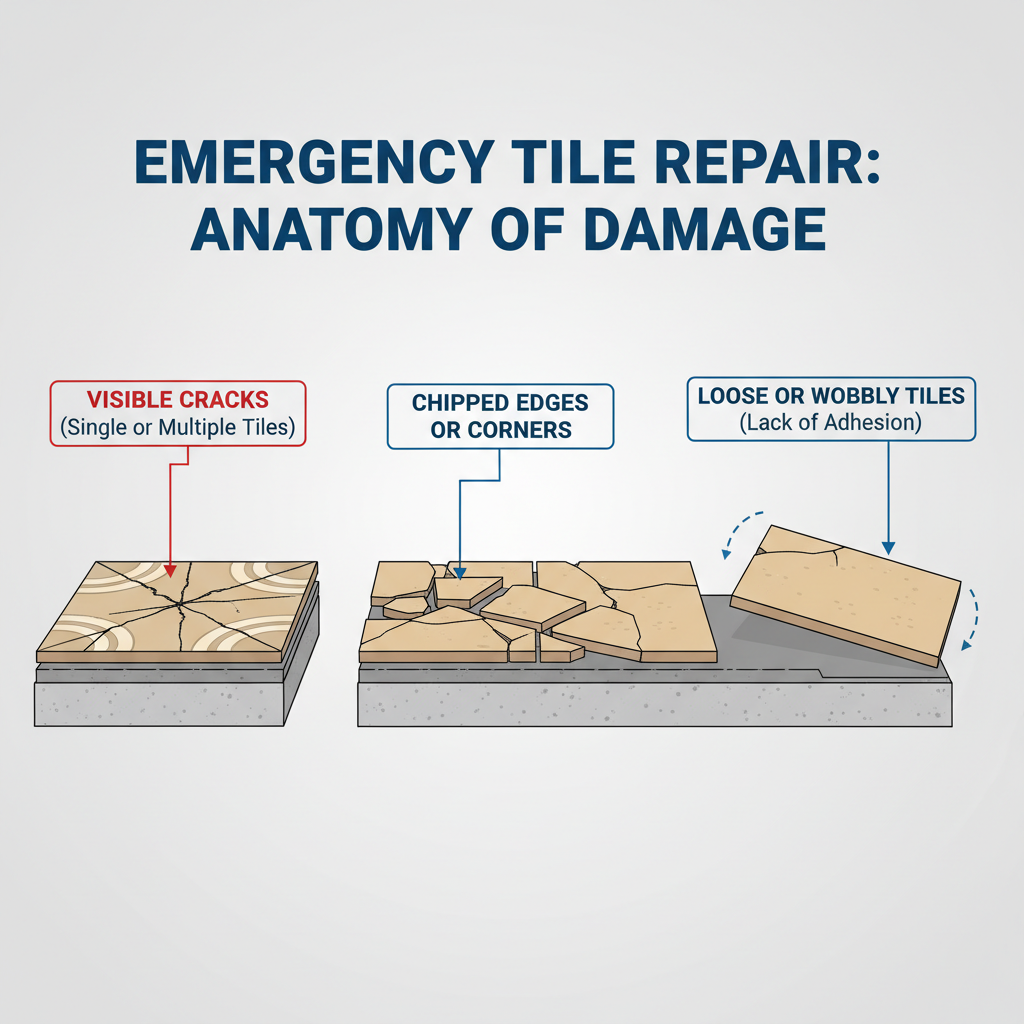
Common Symptoms
Possible Causes
Step-by-Step Diagnosis
Step 1
Identify the extent of the damage: Is it a single cracked tile, multiple tiles, or just a chip?
Step 2
Assess the surrounding tiles: Are they loose, chipped, or cracked?
Step 3
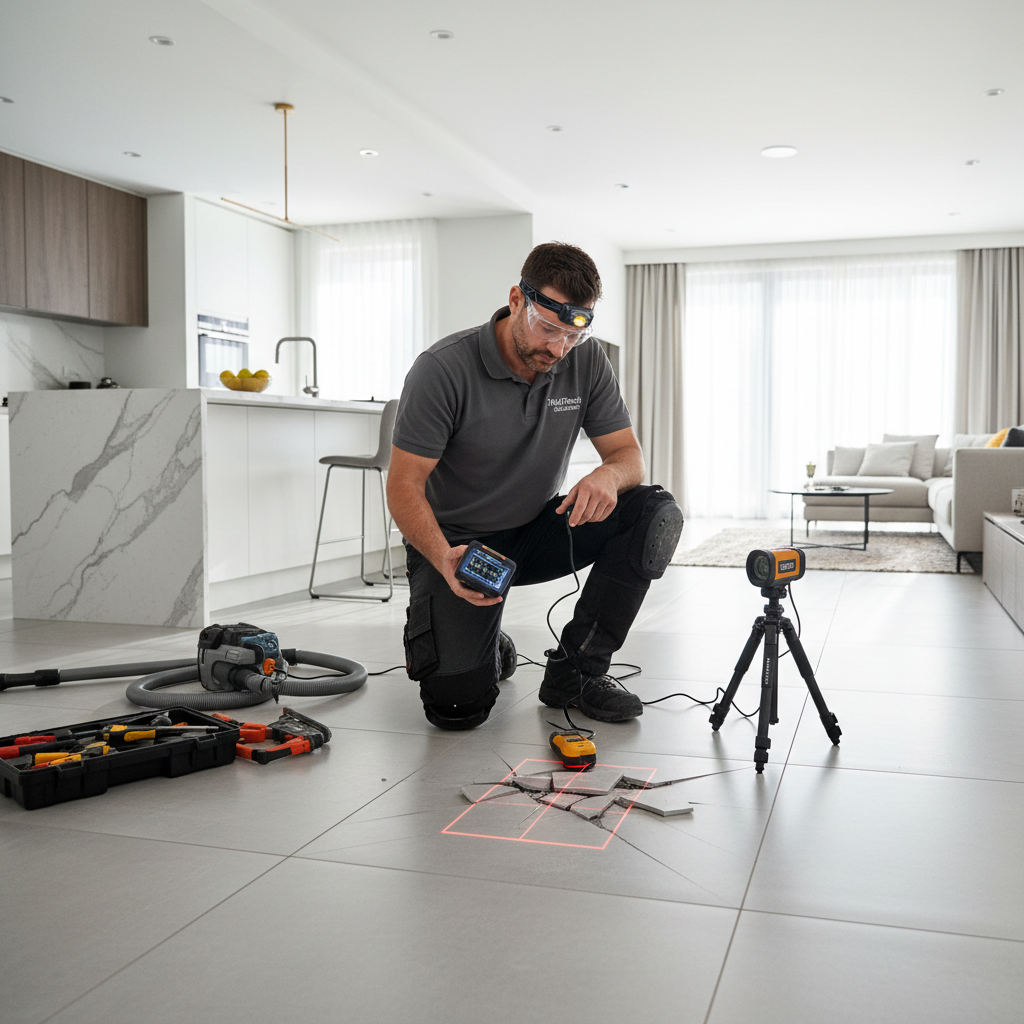
Check for water damage: Look for discoloration, swelling, or mold around the broken tile, especially in wet areas like bathrooms or kitchens.
Step 4
Tap on adjacent tiles: Listen for hollow sounds which may indicate other loose tiles or compromised adhesive.
Step 5
Examine the grout lines: Look for severe cracking, crumbling, or missing grout around the damaged area.
DIY vs Professional Costs
| Repair Type | DIY Cost | Professional Cost | Time Required |
|---|---|---|---|
Filling a Hairline Crack | $15-40 | $150-250 (if you can find one) | 1-2 hours |
Replacing a Single Tile | $50-120 | $300-550 | 3-4 hours |
Replacing 3-5 Tiles | $80-180 | $500-1000+ | 1 Day |
When to Call a Professional Tile
- If the damage involves multiple tiles or you hear a hollow sound under many tiles, signalling a larger installation failure.
- If you suspect underlying issues such as subfloor damage or moisture problems (e.g., musty smells, water stains).
- If the tile is difficult to remove or is a delicate material like marble, travertine, or glass.
- If you don't have spare tiles and need help sourcing a match.
- If the repair is in a critical waterproof area like a shower, where an improper seal could lead to major damage.
Prevention Tips
- Keep spare tiles from the original installation for future repairs.
- Maintain grout lines by cleaning regularly and repairing cracks promptly by sealing them.
- Avoid dropping heavy objects on tiled surfaces.
- Use furniture pads under heavy items to distribute weight and prevent scratches.
- Ensure proper subfloor preparation and adequate support before installation.
- Use high-quality thin-set mortar and apply it correctly (full coverage).
Frequently Asked Questions
Related Guides
Mold in Shower Grout (Troubleshooting & Fixes)
A veteran tile tech's guide to killing mold in your shower grout for good. Learn how to identify, clean, and prevent that nasty black stuff from coming back.
Hiring a Tile Guy: How to Not Get Ripped Off (Troubleshooting & Fixes)
Learn how to hire a qualified tile installer and avoid common pitfalls. This guide covers red flags, essential questions, credential verification, and detailed steps for securing a high-quality, lasting tile installation, preventing costly future repairs.
Cleaning Patio Tiles & Slabs: Ultimate Troubleshooting Guide for Moss, Algae & Stains
Revive your outdoor space with our comprehensive guide to cleaning patio tiles and slabs. Learn expert DIY methods for safely removing moss, algae, mold, grease, rust, and other stubborn stains. Includes material-specific advice, prevention tips, and when to call a professional for a pristine, safe patio.
Emergency Tile Repair: Quick Solutions for Cracked and Broken Tiles
Find quick solutions for cracked or broken tiles in your home. This guide helps you diagnose the damage, understand causes, and choose between DIY fixes or professional assistance for durable tile repairs.
Cracked Floor Tile (Troubleshooting & Fixes)
Comprehensive guide to troubleshooting and fixing cracked floor tiles (ceramic, porcelain, stone). Learn to diagnose causes, perform DIY epoxy repairs, and prevent future tile damage effectively. Expert advice for homeowners.
Grout haze is a dull, cloudy film or residue left on the surface of new tile after the grouting process has been completed and the grout has dried. It can obscure the true color and shine of the tile. Troubleshooting & Fixes (2024 Guide)
Got a cloudy film on your new tile? I'll tell you how to get rid of that annoying grout haze for good. A no-nonsense guide from a 25-year pro.
Need Professional Help?
Find top-rated tile experts in your area