Quick Answer
Restore your patio's beauty and safety! For most green and slippery patios, a good scrub with a stiff brush and an oxygen-bleach based cleaner (or even dish soap) will work. Stubborn spots might need a dedicated cleaner or careful pressure washing. Always test first, especially on natural stone. If DIY efforts fail or you have delicate materials, a professional can tackle the job for $200-$500 depending on size and severity.
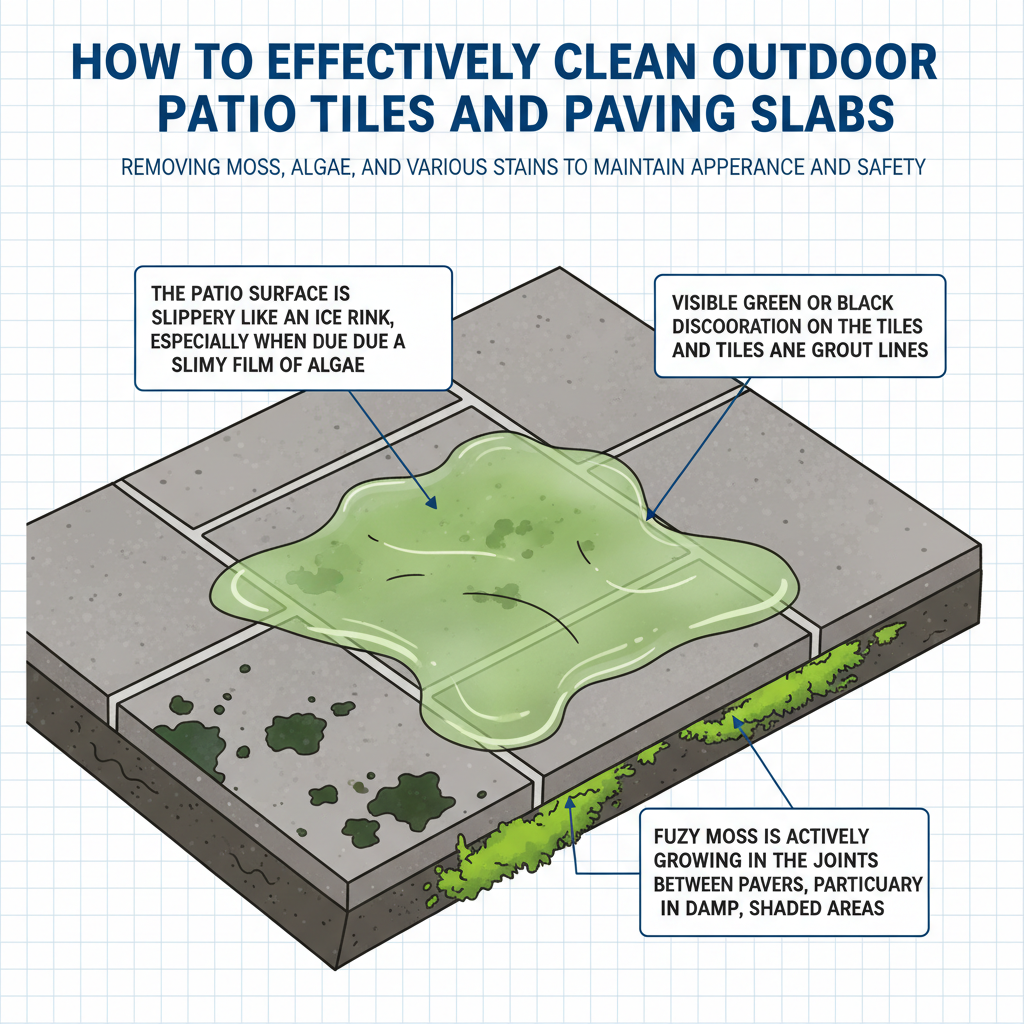
Common Symptoms
Possible Causes
Step-by-Step Diagnosis
Step 1
Accurately identify the specific material of your patio tiles or slabs (e.g., concrete, natural stone, porcelain) as cleaning methods vary significantly.
Step 2
Assess the type and severity of the problem – distinguish between light algae, thick moss, black mold, or specific stains like oil or rust.
Step 3
Check the weather forecast to ensure several dry days for cleaning, proper drying, and potential sealing.
Step 4
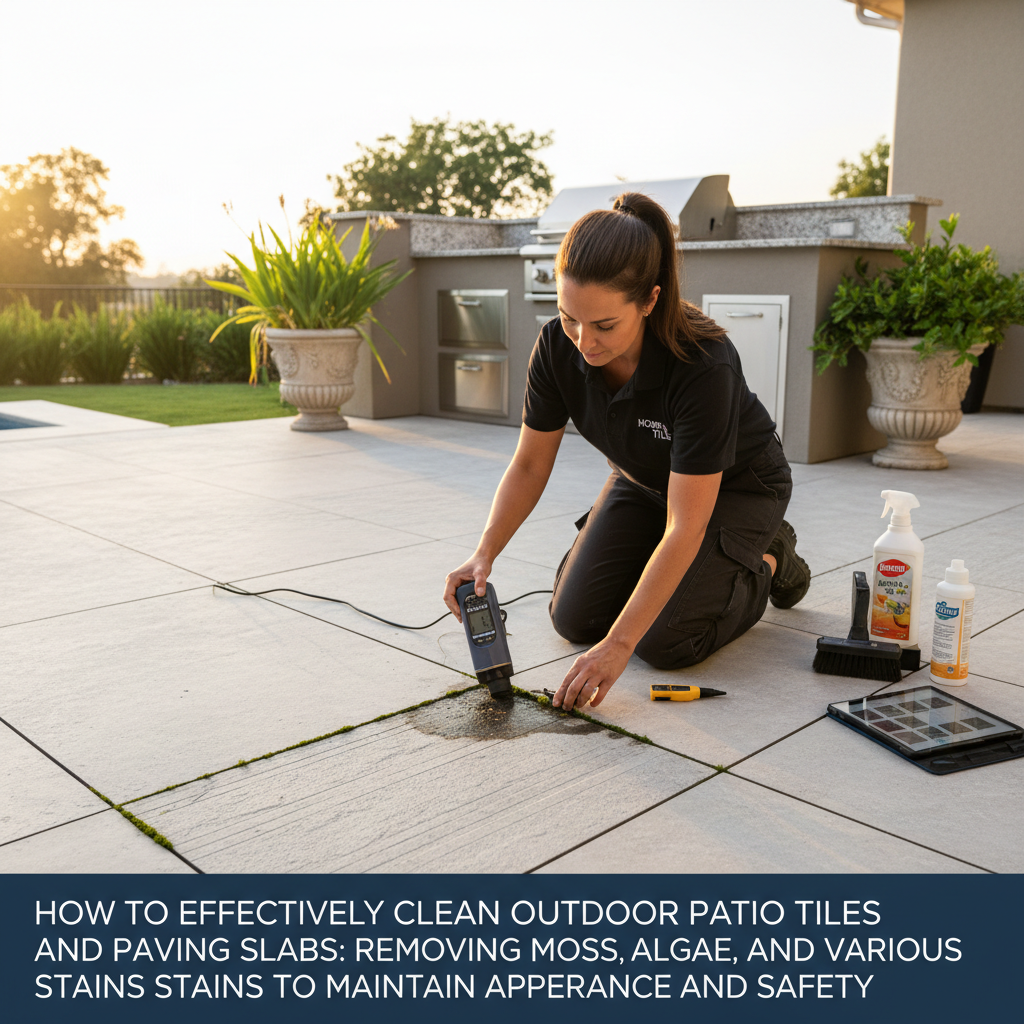
Always perform a patch test of your chosen cleaning solution on an inconspicuous area first to check for discoloration or damage, and allow it to fully dry.
Step 5
Inspect grout lines or paver joints for existing damage or looseness; high-pressure cleaning can worsen these issues or blast out sand.
DIY vs Professional Costs
| Repair Type | DIY Cost | Professional Cost | Time Required |
|---|---|---|---|
Basic Scrub-Down (Soap & Water) | $10-25 | $150-250 | 1-3 Hours |
Chemical Moss/Algae Removal | $20-50 | $200-400 (as part of a package) | 2-4 Hours |
Pressure Washing | $70-100 (for a day rental) | $250-500+ | 4-8 Hours |
Sealing Porous Pavers | $50-150 (sealant + supplies) | $300-600+ | 3-5 Hours (plus 24-48hr dry time) |
When to Call a Professional Tile
- When facing extensive or deeply ingrained moss, algae, or lichen growth that DIY methods cannot remove.
- If your patio is made of delicate or expensive natural stone (e.g., travertine, unsealed slate) where improper cleaning could cause permanent damage.
- When you lack the necessary equipment (like a pressure washer) or feel uncomfortable performing the cleaning yourself.
- If biological growth rapidly returns after cleaning, indicating potential underlying drainage or environmental issues that require professional assessment.
- For especially large patio areas where cleaning would be overly time-consuming and labor-intensive for a homeowner.
- If you have unusual or deeply embedded stains that resist all common DIY removal techniques.
Prevention Tips
- Regularly sweep or blow off leaves, dirt, and other organic debris to prevent breakdown and nutrient supply for growth.
- Ensure proper drainage around the patio, directing water away from the surface, and address any standing water issues.
- Trim back overhanging trees and shrubs to increase sunlight exposure and reduce shade, inhibiting moss and algae growth.
- Apply a suitable, high-quality sealer to porous patio materials (like concrete or natural stone) after thorough cleaning to reduce water absorption and improve stain resistance.
- Clean spills immediately to prevent them from setting and becoming stubborn stains.
Frequently Asked Questions
Related Guides
Mold in Shower Grout (Troubleshooting & Fixes)
A veteran tile tech's guide to killing mold in your shower grout for good. Learn how to identify, clean, and prevent that nasty black stuff from coming back.
Hiring a Tile Guy: How to Not Get Ripped Off (Troubleshooting & Fixes)
Learn how to hire a qualified tile installer and avoid common pitfalls. This guide covers red flags, essential questions, credential verification, and detailed steps for securing a high-quality, lasting tile installation, preventing costly future repairs.
Cleaning Patio Tiles & Slabs: Ultimate Troubleshooting Guide for Moss, Algae & Stains
Revive your outdoor space with our comprehensive guide to cleaning patio tiles and slabs. Learn expert DIY methods for safely removing moss, algae, mold, grease, rust, and other stubborn stains. Includes material-specific advice, prevention tips, and when to call a professional for a pristine, safe patio.
Emergency Tile Repair: Quick Solutions for Cracked and Broken Tiles
Find quick solutions for cracked or broken tiles in your home. This guide helps you diagnose the damage, understand causes, and choose between DIY fixes or professional assistance for durable tile repairs.
Cracked Floor Tile (Troubleshooting & Fixes)
Comprehensive guide to troubleshooting and fixing cracked floor tiles (ceramic, porcelain, stone). Learn to diagnose causes, perform DIY epoxy repairs, and prevent future tile damage effectively. Expert advice for homeowners.
Grout haze is a dull, cloudy film or residue left on the surface of new tile after the grouting process has been completed and the grout has dried. It can obscure the true color and shine of the tile. Troubleshooting & Fixes (2024 Guide)
Got a cloudy film on your new tile? I'll tell you how to get rid of that annoying grout haze for good. A no-nonsense guide from a 25-year pro.
Need Professional Help?
Find top-rated tile experts in your area