Quick Answer
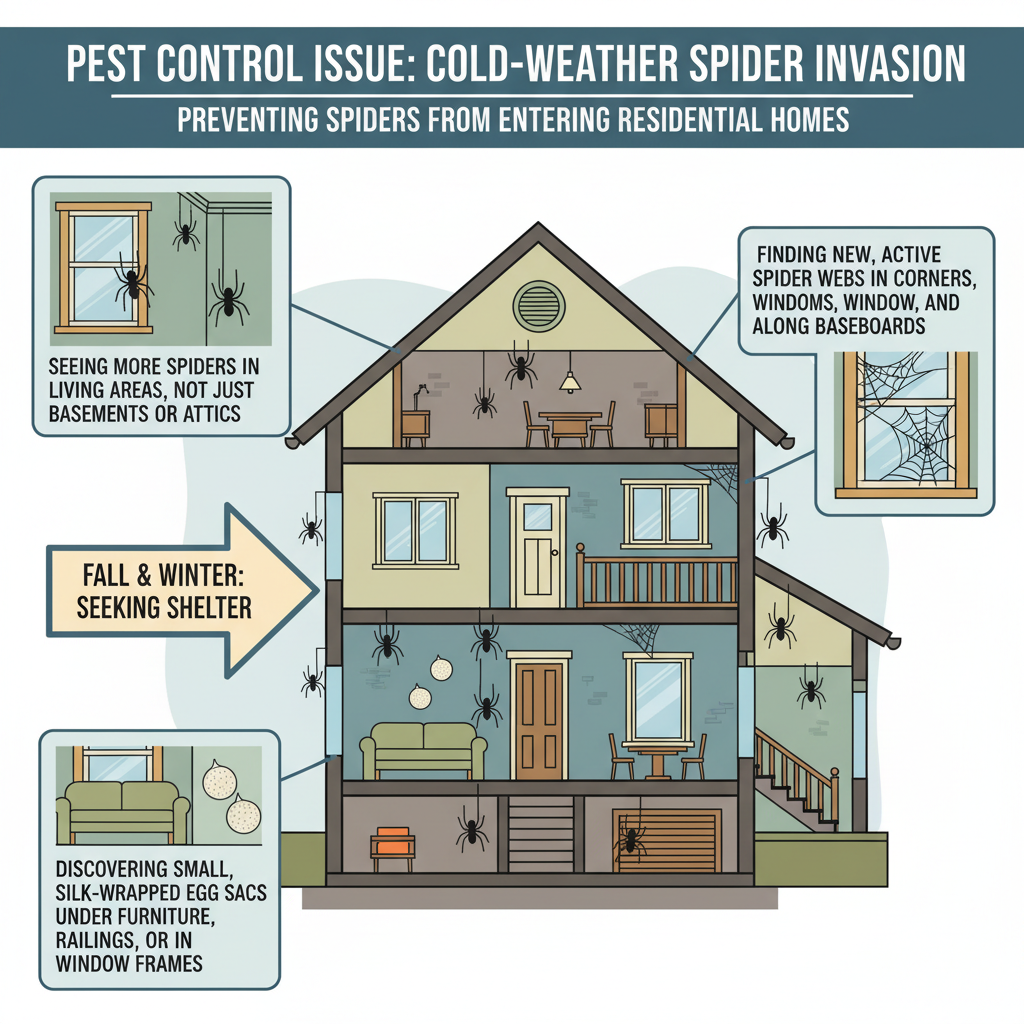
Alright, here's the quick version. Spiders aren't coming in to get warm, they're following their food—other bugs. To stop 'em, you gotta seal up your house like Fort Knox. I'm talking caulk, weatherstripping, and checking every little gap. Then, lay down a good perimeter spray outside. You can do it yourself for maybe $100 in materials. A pro will a charge you anywhere from $200-$400 for a solid initial treatment, but it's usually worth it if you're seeing a lot of 'em.
Common Symptoms
Possible Causes
Step-by-Step Diagnosis
Step 1
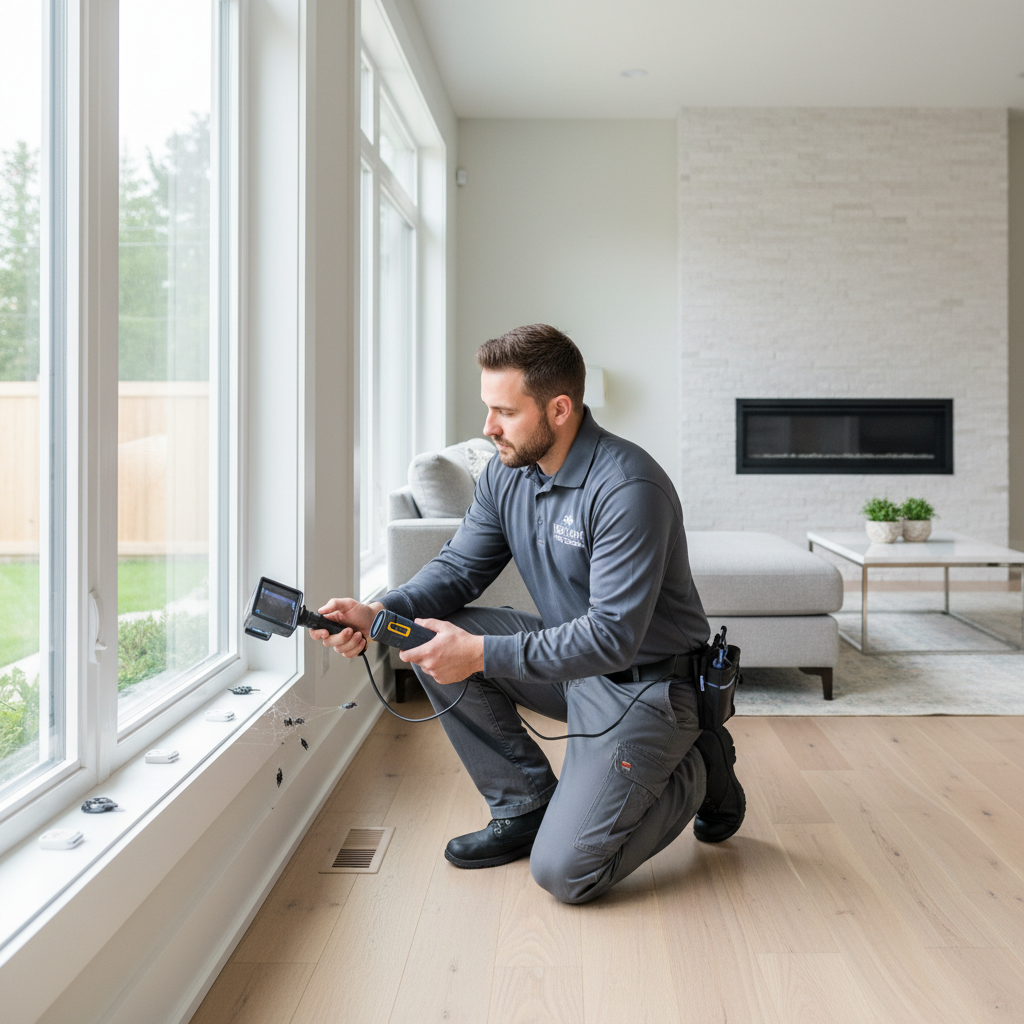
Perform an 'Exterior Spider Walk'. Use a bright flashlight to inspect the entire perimeter of your home's foundation, looking for cracks, gaps around pipes, and torn screens.
Step 2
Conduct an 'Interior Dark Zone Tour'. Check basements, crawl spaces, and attics, focusing on sill plates, rim joists, and corners for webs and signs of entry.
Step 3
Look for the food source. Identify other insects (crickets, ants, stink bugs) that are also present, as this indicates why spiders are attracted to the area.
Step 4
Identify the spider type. Determine if you're dealing with common house spiders or more dangerous species like Black Widows or Brown Recluses, which require professional handling.
DIY vs Professional Costs
| Repair Type | DIY Cost | Professional Cost | Time Required |
|---|---|---|---|
DIY Sealing Gaps & Cracks | $50 - $100 | $300 - $600+ | A full weekend |
Exterior Perimeter Spray | $75 - $150 | $200 - $400 | 1-2 hours / application |
Full Quarterly Pest Service | N/A | $100 - $175 / Qtr | 30-60 mins / visit |
When to Call a Professional Pest Control
- If you identify or suspect you have medically significant spiders like Black Widows or Brown Recluses.
- When the number of spiders is overwhelming, suggesting a larger, underlying insect infestation.
- If the required work involves heights (like sealing upper-story windows or vents) and you are not comfortable on a ladder.
- When you have small children or pets and want the peace of mind that professional-grade products are being applied correctly and safely.
Prevention Tips
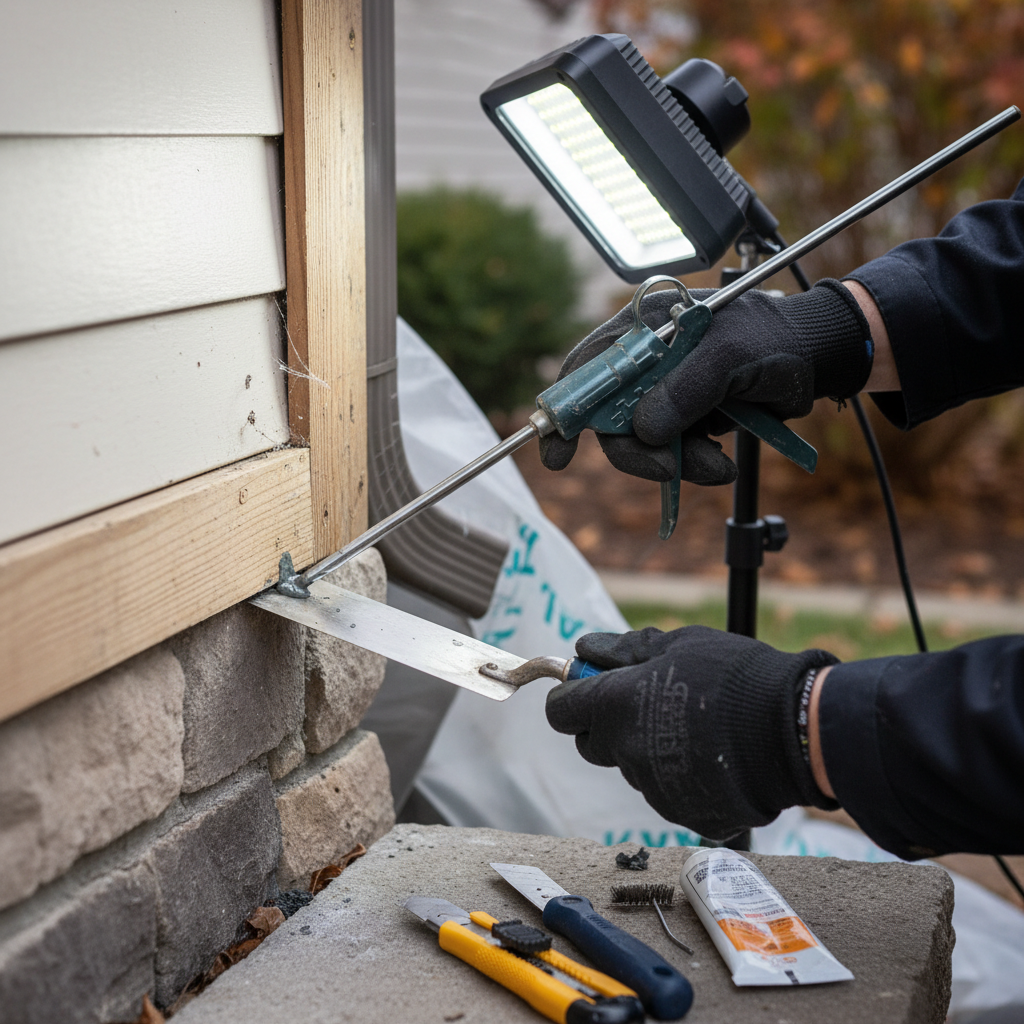
- Seal all cracks and gaps in your foundation and around utility lines with high-quality exterior caulk and steel wool.
- Replace old, worn-out weatherstripping on doors and windows to eliminate drafts and entry points.
- Swap bright white outdoor light bulbs with yellow 'bug lights' to attract fewer insects, reducing the spiders' food source.
- Keep landscaping, firewood piles, and mulch at least 20 feet away from the home's foundation to eliminate hiding spots.
- Reduce clutter like cardboard boxes in basements and attics; use sealed plastic totes for storage instead.
Frequently Asked Questions
Related Guides
Hiring an Exterminator? Let's Talk About Chemical Safety (My Troubleshooting Guide)
A veteran exterminator's guide to asking the right questions about pest control chemicals. Learn how to ensure your family's safety and get a treatment that actually works.
Safe Rodent Cleanup: How a Pro Handles Droppings & Nests (Troubleshooting & Fixes)
A veteran tech's guide to safely cleaning rodent droppings and nests. Learn what gear to use, the risks of diseases like Hantavirus, and when to call a pro.
Preparing Your Home for Pest Control Treatment (for effective and safe application) Troubleshooting & Fixes (2024 Guide)
A veteran pest technician explains how to prep your home for pest control so it actually works. Learn the simple steps to make your treatment effective.
Emergency Pest Control: When to Call a Pro Right Now (Troubleshooting & Fixes)
Seeing a swarm of pests or property damage? Some situations are pest emergencies. Learn from a 25-year vet when to stop DIY and call a pro immediately.
Bed Bug, Flea, or Mosquito Bites? (Troubleshooting & Fixes)
Waking up with itchy bites? This guide from a 25-year pest control vet helps you identify bed bug, flea, or mosquito bites and shows you what to do next.
Termite Damage vs. Water Damage: How to Tell the Difference (Troubleshooting & Fixes)
A veteran tech explains how to tell termite damage from water damage. Learn the signs, from mud tubes to mushy wood, and what to do next to protect your home.
Need Professional Help?
Find top-rated pest control experts in your area