Quick Answer
Okay, so here's the quick version. That cloudy, chalky film on your beautiful new tile is grout haze. It's just leftover grout that wasn't cleaned off properly. Don't panic. For most tile, a simple 50/50 mix of white vinegar and water, a bit of scrubbing, and a good rinse will take care of it. You're looking at maybe $10-20 in supplies. If it's really stubborn or you've got fancy stone, a pro might charge you $150 to $300 for a small job. It's usually an easy fix, you just gotta know what you're doing.
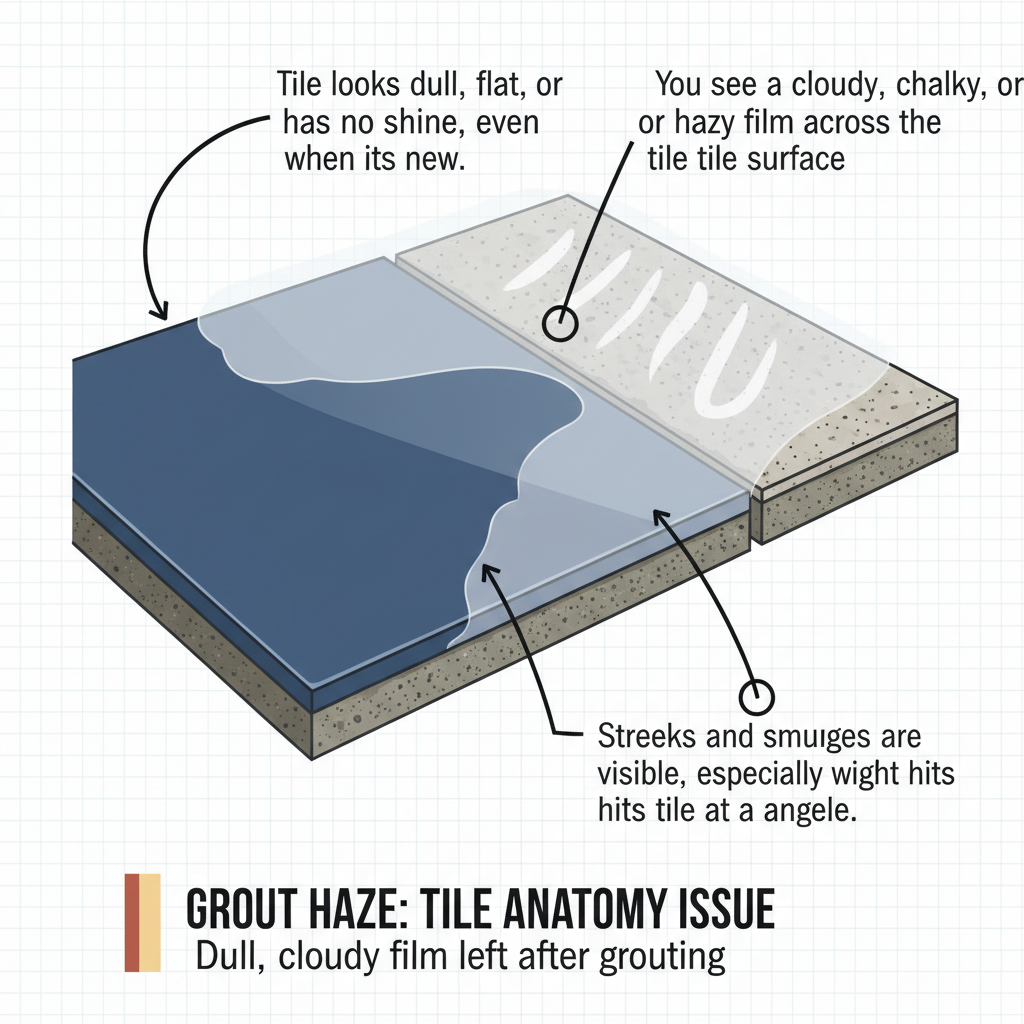
Common Symptoms
Possible Causes
Step-by-Step Diagnosis
Step 1
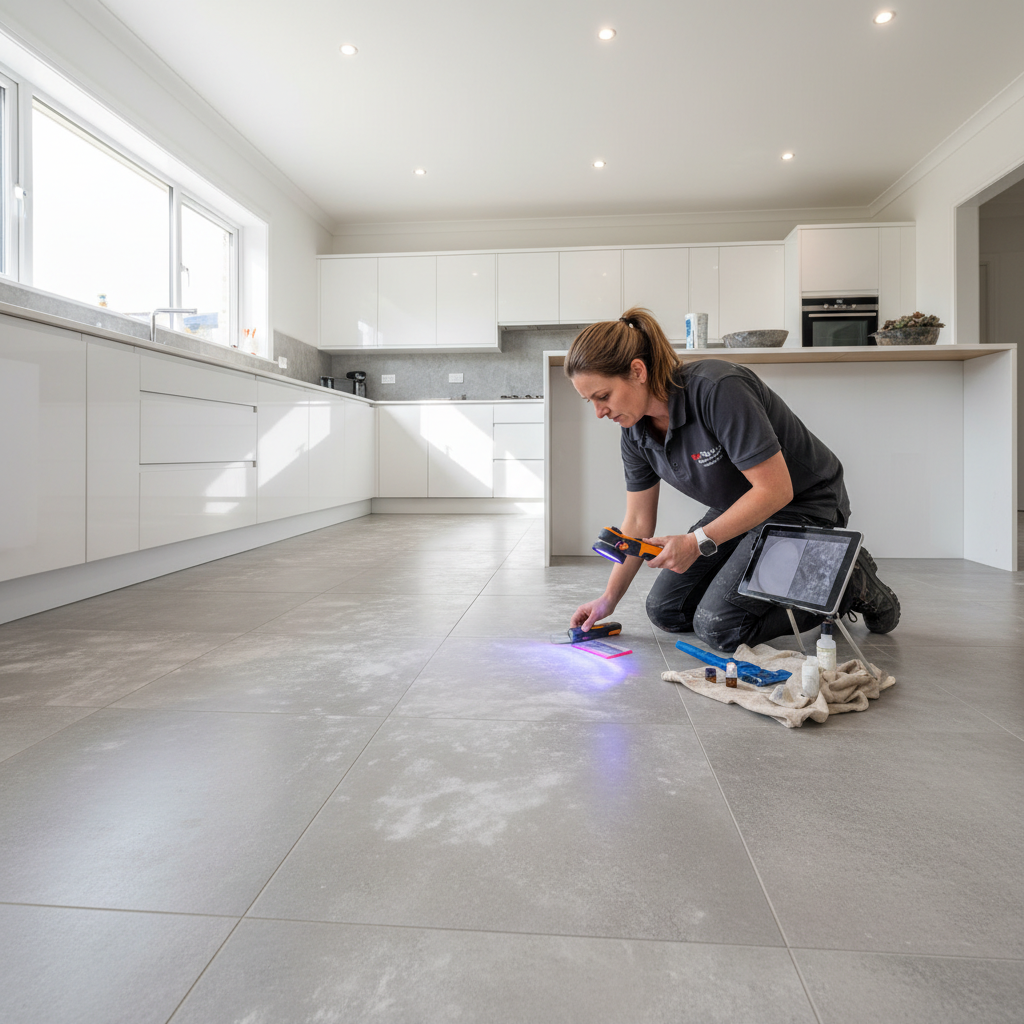
Get down low and shine a bright flashlight at a low angle across the tile to make any haze or film visible.
Step 2
Perform 'The Water Test'. Wipe a small area with a damp cloth. If the haze vanishes but then reappears as the tile dries, it's grout haze.
Step 3
Run your hand across the tile surface. If you feel any roughness or grittiness, that's dried grout residue.
DIY vs Professional Costs
| Repair Type | DIY Cost | Professional Cost | Time Required |
|---|---|---|---|
Light Haze Removal (Vinegar/Water) | $5 - $15 | $150 - $300 | 1-3 hours |
Moderate Haze (Commercial Remover) | $20 - $50 | $300 - $700 | 2-5 hours |
Stubborn Haze (Power Scrubbing) | $40 - $80 | $400 - $900+ | 4-8 hours |
When to Call a Professional Tile
- If you've already tried DIY methods with a proper grout haze remover and the haze isn't coming off.
- When the haze is on acid-sensitive natural stone like marble, limestone, or travertine, as the risk of damaging the tile is high.
- If the haze is extremely thick or has been on the tile for weeks or months, as it will be much harder to remove.
- If you suspect you're dealing with epoxy grout haze, which requires specialized, harsh chemicals for removal.
- If you're simply not sure what type of tile or grout you have and don't want to risk causing permanent damage.
Prevention Tips
- Ensure the installer cleans up excess grout promptly while it's still workable, usually in small sections.
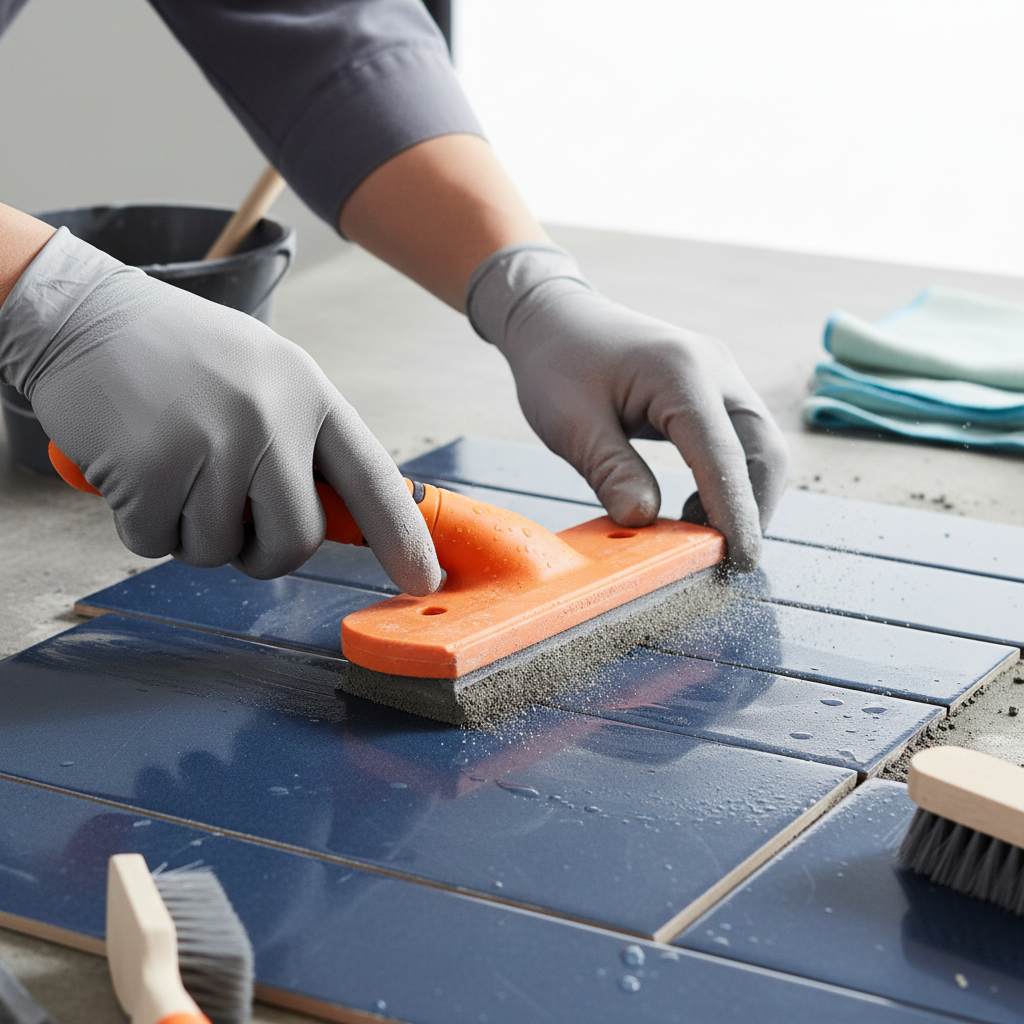
- Use a damp, not soaking wet, sponge for cleanup to lift residue instead of spreading it.
- Insist on a two-bucket cleaning method: one for dirty rinses, one for clean water, and change the water frequently.
- Perform a final buff with a dry microfiber cloth a few hours after the initial cleaning to catch any newly formed haze.
- Always follow the grout manufacturer's specific instructions for mixing and cleanup times.
Frequently Asked Questions
Related Guides
Mold in Shower Grout (Troubleshooting & Fixes)
A veteran tile tech's guide to killing mold in your shower grout for good. Learn how to identify, clean, and prevent that nasty black stuff from coming back.
Hiring a Tile Guy: How to Not Get Ripped Off (Troubleshooting & Fixes)
Learn how to hire a qualified tile installer and avoid common pitfalls. This guide covers red flags, essential questions, credential verification, and detailed steps for securing a high-quality, lasting tile installation, preventing costly future repairs.
Cleaning Patio Tiles & Slabs: Ultimate Troubleshooting Guide for Moss, Algae & Stains
Revive your outdoor space with our comprehensive guide to cleaning patio tiles and slabs. Learn expert DIY methods for safely removing moss, algae, mold, grease, rust, and other stubborn stains. Includes material-specific advice, prevention tips, and when to call a professional for a pristine, safe patio.
Emergency Tile Repair: Quick Solutions for Cracked and Broken Tiles
Find quick solutions for cracked or broken tiles in your home. This guide helps you diagnose the damage, understand causes, and choose between DIY fixes or professional assistance for durable tile repairs.
Cracked Floor Tile (Troubleshooting & Fixes)
Comprehensive guide to troubleshooting and fixing cracked floor tiles (ceramic, porcelain, stone). Learn to diagnose causes, perform DIY epoxy repairs, and prevent future tile damage effectively. Expert advice for homeowners.
Grout haze is a dull, cloudy film or residue left on the surface of new tile after the grouting process has been completed and the grout has dried. It can obscure the true color and shine of the tile. Troubleshooting & Fixes (2024 Guide)
Got a cloudy film on your new tile? I'll tell you how to get rid of that annoying grout haze for good. A no-nonsense guide from a 25-year pro.
Need Professional Help?
Find top-rated tile experts in your area