Quick Answer
Okay, so here's the quick version. If the oil spill is fresh, I mean still wet, don't just stare at it! Throw some clay kitty litter, sawdust, or even cornstarch on it right now. Let it soak up the mess for a day, then sweep it up. For older, uglier stains that have been there a while, you're gonna need a real degreaser and some elbow grease. Something like Oil Eater or a poultice cleaner. You can try this yourself for maybe $20-50 in materials. If it's a huge disaster, it might be worth calling a pro to save the headache.
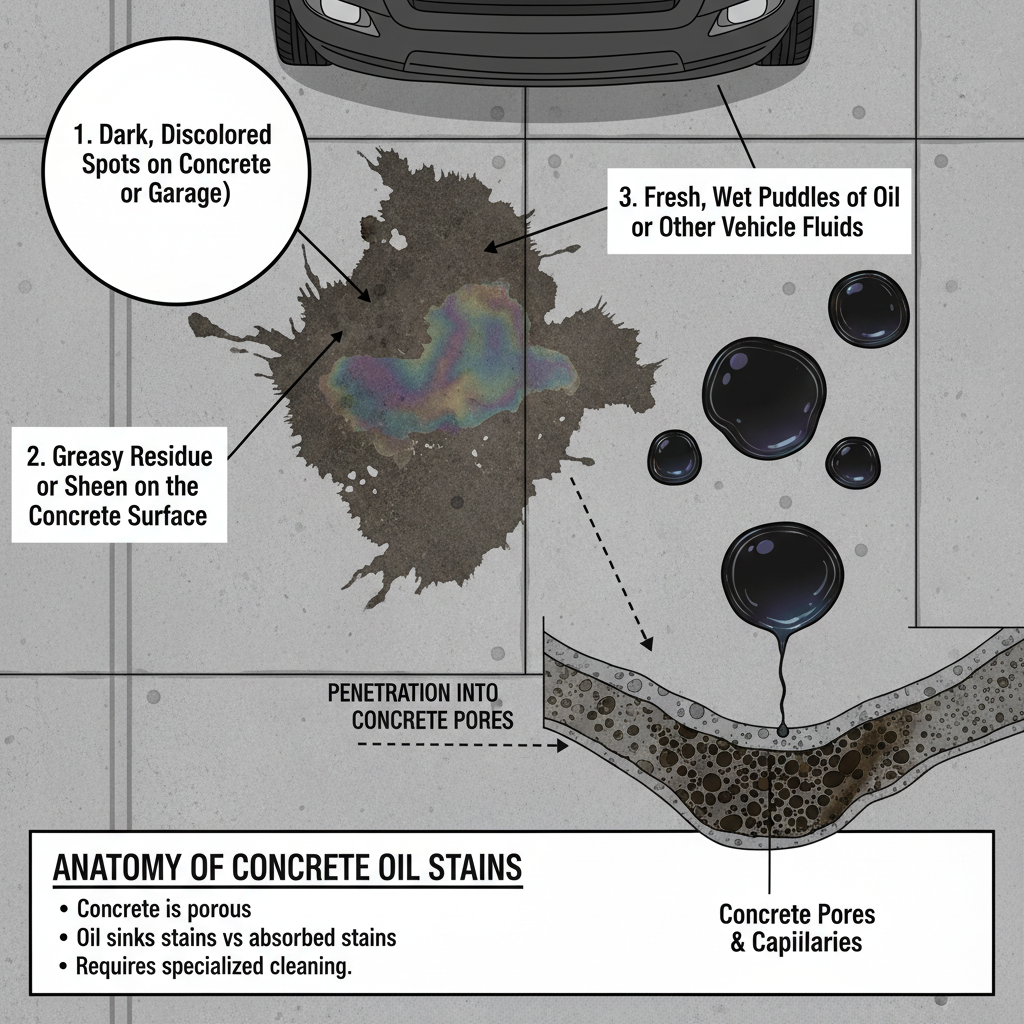
Common Symptoms
Possible Causes
Step-by-Step Diagnosis
Step 1
Identify the age of the stain - is it a fresh spill or an old, set-in stain?
Step 2
Determine if the concrete is sealed or unsealed by pouring a little water on it. If it soaks in, it's unsealed.
Step 3
Check the current temperature. Adegreasers and cleaners work best in temperatures above 50°F (10°C).
Step 4
Assess the size of the spill to determine how much product you'll need.
Step 5
Test your chosen cleaning method on a small, hidden area first to avoid discoloration or damage.
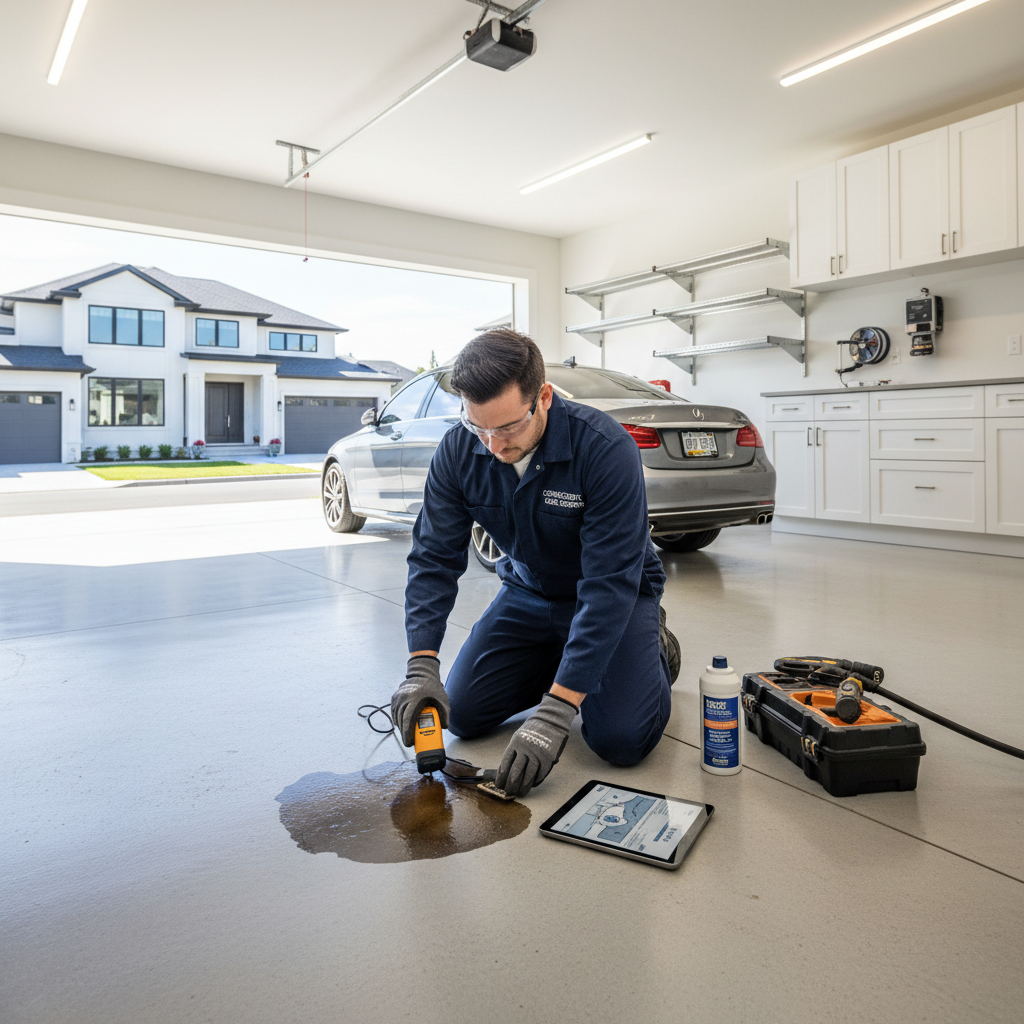
DIY vs Professional Costs
| Repair Type | DIY Cost | Professional Cost | Time Required |
|---|---|---|---|
Fresh Spill Cleanup (Absorbent) | $5-20 | N/A | 10 min + 24hr wait |
Small Stains (Degreaser & Scrub) | $20-50 | $150-400 | 2-4 hours |
Full Driveway Degreasing | $70-150 | $300-800+ | A full weekend |
When to Call a Professional Concrete
- When your DIY attempts with degreasers and scrubbing haven't worked.
- If the stained area is very large, like an entire driveway.
- If you're preparing to sell your home and need the best possible curb appeal.
- When you lack the proper equipment, like a hot water pressure washer, to tackle the job effectively.
Prevention Tips
- Place a large piece of cardboard or a dedicated drip pan under leaky vehicles.
- Address and repair vehicle fluid leaks as soon as you notice them.
- Clean up any spills immediately with an absorbent material like clay kitty litter.
- Consider sealing your driveway and/or garage floor with a quality concrete sealer.
Frequently Asked Questions
Related Guides
Resealing Stone Patio Pavers to Protect Against Fading, Stains, and Environmental Damage: Troubleshooting & Fixes (2024 Guide)
Patio pavers looking faded, stained, or weedy? A veteran tech explains how to diagnose sealant failure and the steps to clean, re-sand, and reseal it yourself.
Cracked brick chimneys, including various types of cracks (horizontal, vertical, hairline, stair-step) and their causes. Troubleshooting & Fixes (2024 Guide)
Got cracked chimney bricks? A veteran tech with 25+ years on the job shows you what causes those cracks (horizontal, vertical, stair-step) and what it'll cost to fix.
Planning and executing a new concrete driveway project, including understanding material durability, design considerations, and cost implications. Troubleshooting & Fixes
Oil Stains on Your Concrete? (Troubleshooting & Fixes)
A veteran tech's guide to removing oil stains from concrete. Learn what actually works for fresh spills and old stains on your driveway or garage floor.
DIY Concrete Patching vs. Professional Repair: A Field Guide (2024)
A veteran tech explains when to DIY your concrete cracks and when to call a pro. Learn the real costs and fixes for your patio, driveway, or sidewalk.
Repairing cracks in concrete patios and driveways, differentiating between DIY and professional approaches based on crack type, severity, and location. Troubleshooting & Fixes (2024 Guide)
A veteran tech's guide to fixing a cracked concrete patio or driveway. Learn when you can DIY a fix and when you absolutely need to call a pro.
Need Professional Help?
Find top-rated concrete experts in your area